
What Does L6 Mean On A Carbon Monoxide Detector
Hey there! Ever glanced at your carbon monoxide (CO) detector, maybe while doing a quick clean-up, and spotted a blinking, mysterious code like L6? If your immediate thought was, "Uh oh, what new disaster is this?", take a deep breath. Because actually, it's pretty darn cool, and definitely nothing to panic about!
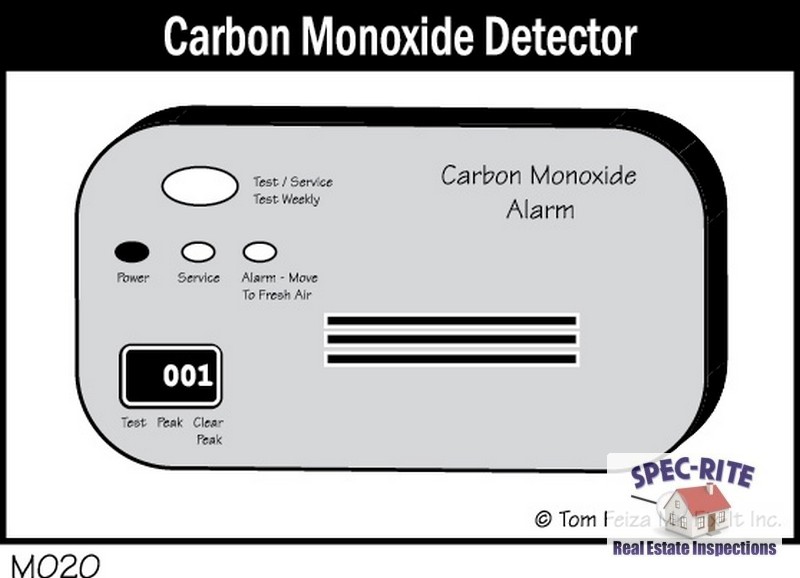
We're all familiar with that piercing, urgent alarm sound a CO detector makes when it senses danger – that's the "get out NOW!" signal. But what about those quieter, more subtle messages? The ones that pop up on the display, making you scratch your head a bit? That's where L6 comes in, and understanding it is like learning a secret language your home is trying to speak to you.
So, What Isn't L6?
First things first: L6 is not an alarm. You won't hear a blaring siren, and you shouldn't feel the need to evacuate immediately. It's not telling you that CO levels are dangerously high and life-threatening. So, take that immediate stress off your shoulders!
Must Read
It's also generally not an indication that your detector is broken or malfunctioning, though checking its expiration date is always a good idea (they don't last forever, just like milk!). Instead, think of L6 as a much more nuanced message from your clever little device.
The Secret Revealed: L6 Means Low-Level CO
Alright, drumroll please! When your CO detector flashes L6 (or sometimes similar codes like L1, L2, L3, depending on the brand and model), it's typically indicating that it has detected very low, persistent levels of carbon monoxide. Specifically, for many popular brands like Kidde or First Alert, 'L6' means it's picking up 6 parts per million (PPM) of CO.
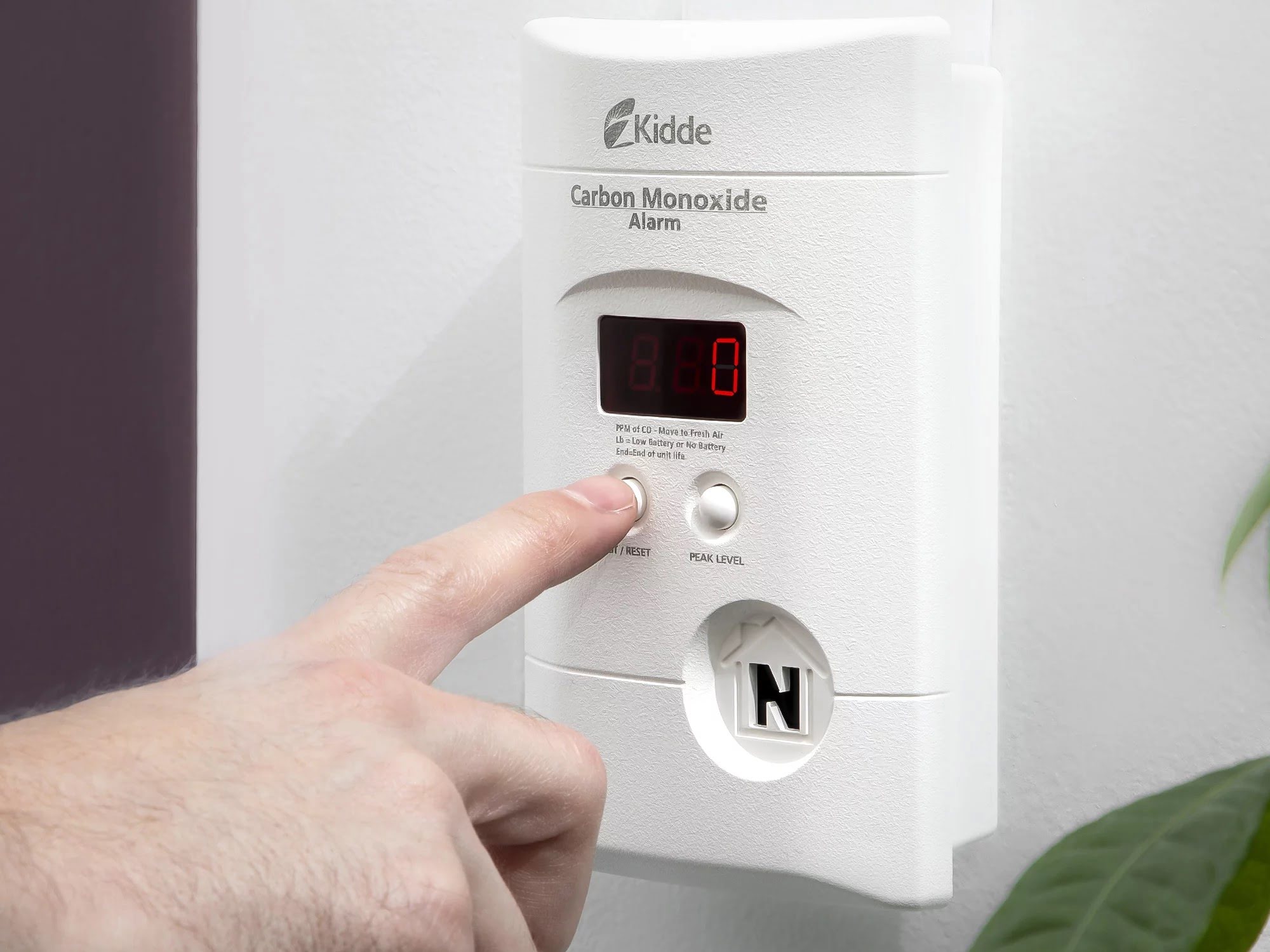
PPM is just how we measure gases in the air – kind of like measuring sugar in your coffee. 6 PPM is a tiny, tiny amount. To put it in perspective, the alarms that tell you to get out of the house usually go off when CO levels reach 30 PPM for an extended period, or much higher (like 70-150+ PPM) for shorter, more acute exposures. So, 6 PPM is way down there.
Why is This Cool? It Shows Your Detector is a Superhero!
This is where it gets awesome. When your detector shows L6, it's basically shouting (in a very quiet, digital way), "Hey! I'm working! And I'm super sensitive!" It's like a superhero with super-hearing, picking up faint whispers that most people (and even less sensitive detectors) would completely miss.
Imagine your detector as a vigilant guardian, constantly sniffing the air. Most of the time, the air is perfectly clean, and it's happy. But when it sees L6, it's like it's saying, "Hmm, I just caught a whiff of something a little unusual. Nothing to freak out about, but thought you should know."
Isn't that neat? It's not just a binary on/off alarm system; it's a sophisticated sensor giving you early diagnostic information. Think of it less like a fire alarm, and more like the "check engine" light in your car. It's not saying your engine is on fire, but it's gently nudging you to look under the hood.
Your Personal Home Detective Agency
This early warning is incredibly valuable. Because CO is colorless, odorless, and tasteless, it's truly a silent killer. We can't detect it ourselves. So, when your detector whispers L6, it's giving you a unique opportunity to become a detective in your own home!
It means there might be a minor, intermittent source of CO that wouldn't otherwise trigger a full alarm, but is still present. This could be anything from:
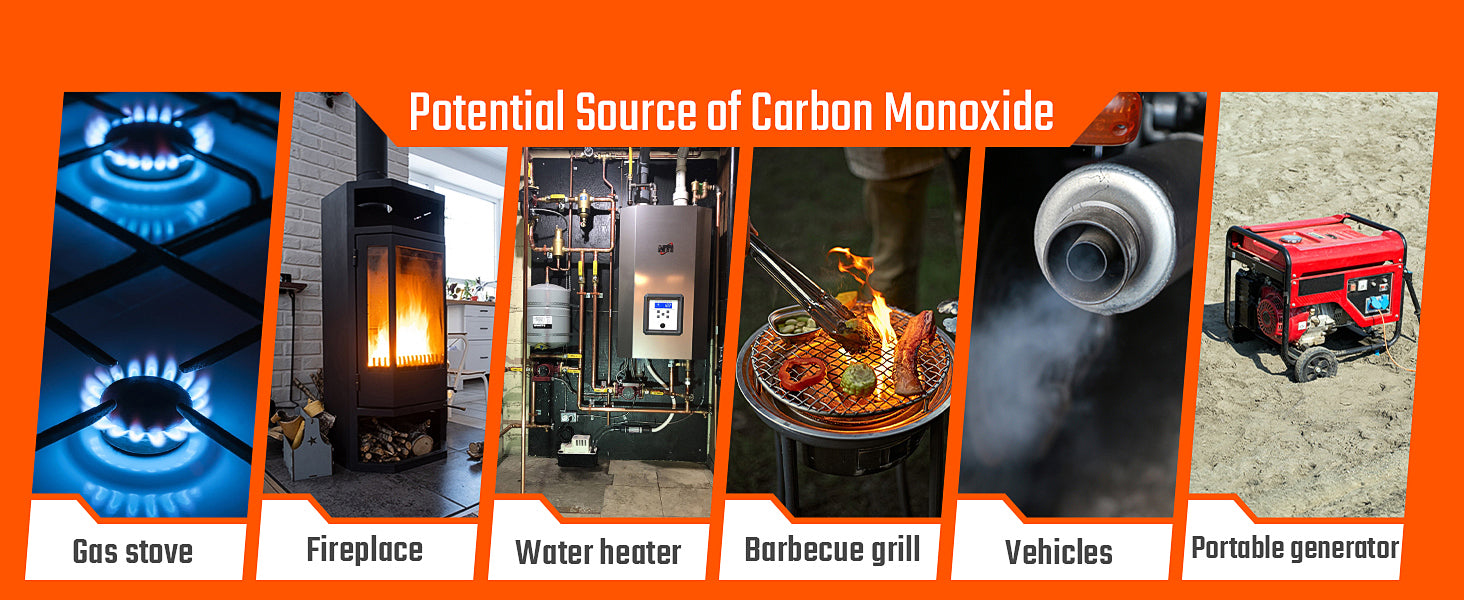
- A slightly back-drafting chimney or fireplace.
- An appliance (like a gas stove, water heater, or furnace) that's not quite ventilating perfectly.
- A car idling for a brief period in an attached garage, and a tiny bit of exhaust seeping in.
- A portable generator being used too close to a window.
These tiny leaks or inefficiencies can go unnoticed for ages, and while 6 PPM isn't immediately dangerous, understanding its source allows you to be proactive.
What Should You Do When You See L6?
Alright, so you've seen L6. No panic, remember? Here's your detective checklist:
- Take a Breath: Confirm it's not a full alarm sound.
- Ventilate: Open a window or door to get some fresh air circulating, especially if the number stays on the screen.
- Investigate: Think about what could be the source. Did you just run a gas appliance? Was your car idling? Is the furnace running? Sometimes these low levels are momentary and dissipate quickly once the source stops or is vented.
- Check Appliances: If it persists or comes back, consider having your fuel-burning appliances (furnace, water heater, stove, fireplace) inspected by a qualified professional. They can check for proper venting and efficiency.
- Location, Location: Notice which detector is showing L6. Is it near the garage? Near the kitchen? This can help pinpoint the general area of the potential source.
The beauty of L6 is that it empowers you. It turns your CO detector from a reactive emergency device into a proactive diagnostic tool. It’s like having a little canary in a coal mine, but this canary is a super-advanced piece of tech that whispers clues instead of falling over!
Embrace the Curiosity
So, the next time you see L6 pop up on your carbon monoxide detector, don't fret. Instead, let a little wave of curiosity wash over you. It's not a sign of imminent danger, but rather a fascinating glimpse into the diligent work your detector is doing to keep you safe. It’s a gentle reminder that even the tiniest whispers from your home can tell an interesting story, and understanding them makes you a smarter, safer homeowner. Pretty cool, right?