What Does It Mean When A Car Seat Is Expired

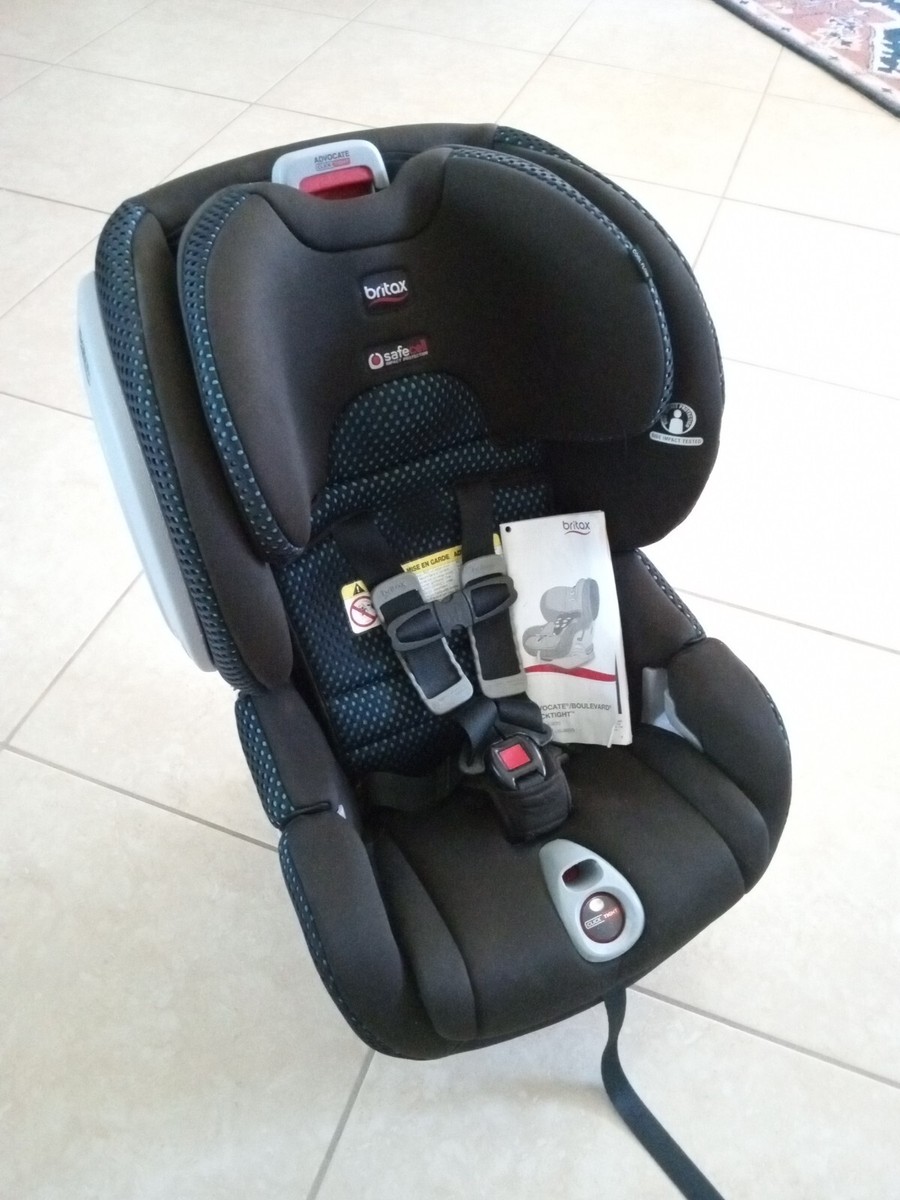
Alright, picture this: You’re a new parent, or maybe you’re prepping for your second or third little tornado, and you’re looking for ways to save a buck. Smart, right? So, your super generous Aunt Carol calls, all excited, saying, “I still have little Timmy’s old car seat! It’s practically brand new, he hardly ever used it.” Your eyes light up. Score! Free gear! You head over, collect the behemoth, lug it home, and then, as you’re admiring its perfectly preserved, slightly dusty fabric, your finger brushes against a small, often overlooked sticker or a raised stamp on the plastic. It’s got a bunch of numbers. A date. And then, a tiny, almost apologetic little phrase: “Do not use after…” or maybe just EXPIRY DATE.
Suddenly, that free car seat isn’t looking so hot. In fact, a tiny alarm bell starts ringing in your head. A car seat expires? Like, what, does it turn into a pumpkin? Does it just… stop working? It’s not a carton of milk, for crying out loud! This, my friends, is the moment many of us realize that baby gear isn't just about cute designs and cupholders. It’s about some serious, nitty-gritty safety stuff. And yes, car seats absolutely, unequivocally, expire.
So, What's the Big Deal with an Expired Car Seat?
You might be thinking, "Come on, it's just plastic and straps, how could it go bad?" And honestly, it's a fair question! But here's the thing: a car seat isn't just a simple bucket. It's a complex piece of safety equipment engineered to protect the most precious cargo you'll ever transport. And like all engineered things, it has a lifespan.
Must Read
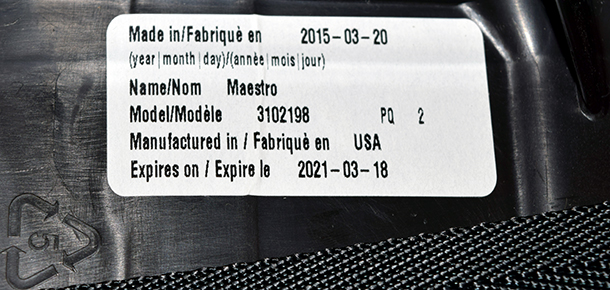
The expiration date, typically found on a sticker on the side or bottom, or even molded into the plastic shell itself (sometimes it’s a manufacturing date + 6-7 years), isn't some arbitrary number dreamt up by manufacturers to make you buy new stuff. Oh no, it's far more important than that.
Firstly, those car seats are made from various materials: durable plastics, metals, fabric, and webbing. Over time, these materials degrade. The plastic can become brittle due to exposure to extreme temperatures (think scorching summer car interiors, then freezing winter nights). That constant expansion and contraction weakens the plastic, making it less resilient in a crash. Those super-strong straps? They can fray or weaken from sunlight exposure, cleaning, or just general wear and tear. Even the metal components, while robust, can suffer from fatigue.
Secondly, safety standards evolve. What was cutting-edge ten years ago might not meet today's rigorous testing and safety benchmarks. Manufacturers are constantly researching, innovating, and improving their designs to offer better protection. An older seat, even if it was top-of-the-line in its day, simply won't have the same level of protection as a newer model designed to meet more current, stringent safety criteria.
And let's not forget the instruction manual. How many of us actually keep those for years? The manufacturer can only guarantee the seat's safety and proper function for a certain period, assuming it's used and maintained correctly. After that date, they can no longer stand by its integrity or performance. It's about liability and accountability.
Where to Find That Pesky Date?
Easy-peasy: grab your seat and start looking! Check the back, the bottom, or the sides. There's usually a large sticker with manufacturing information, and somewhere on there, you'll find the expiration date clearly printed. Sometimes it's a "Do Not Use After" date, other times it's a manufacturing date, and you'll need to add six or seven years to it (check the manual or manufacturer's website for specifics, as it varies by brand). Don't forget to check the manual itself, as it often lists the lifespan too. Seriously, don't just glance; sometimes it's molded right into the plastic in a surprisingly subtle way.
Why You Absolutely, Positively, MUST NOT Use an Expired Seat
Okay, let's get serious for a moment. This isn't just about following rules; it's about your child's life. An expired car seat is a compromised car seat. It means:

- The plastics might not withstand the forces of a collision.
- The straps might fail or stretch too much.
- The buckle could malfunction.
- It simply hasn't been tested to current safety standards, making it a gamble.
Think of it this way: would you fly in an airplane that hasn't been maintained in years? Or drive a car with bald tires and faulty brakes because it was "practically new" when your grandpa bought it? No way! The stakes are simply too high. Plus, in some places, using an expired car seat can actually get you in trouble during a car seat check, because it's considered unsafe.
So, What's a Savvy Parent Like You to Do with an Expired Seat?
First and foremost: DO NOT SELL IT. DO NOT DONATE IT. DO NOT GIVE IT AWAY. You'd be unknowingly passing on a serious safety hazard. The best thing to do is to render it unusable. Cut the straps, rip off the fabric, and mark it clearly with a permanent marker as "EXPIRED" or "UNSAFE." Then, check with your local recycling programs. Some areas have special car seat recycling events, or you might be able to dispose of components separately. But the main goal is to ensure it can never be used again.
I know, it stings a bit when you realize that perfectly good-looking hand-me-down is actually a no-go. But when it comes to keeping our little passengers safe, there's just no cutting corners. So, next time you're inspecting a car seat – whether it's one you already own, a new purchase, or a hopeful hand-me-down – take a moment. Find that date. And if it's past its prime, know that you're doing the absolute best thing by retiring it. Your peace of mind, and more importantly, your child's safety, are priceless. Now go check your seats!