
What Does Cabrona Mean In Spanish

Ever heard someone say "Cabrona" and wondered what it meant? It's one of those words that can sound a little spicy, a little intimidating, and a whole lot confusing if you're not familiar with Spanish slang.
So, let's dive in and unravel the mystery behind this intriguing word. We'll explore its different shades of meaning, from the downright insulting to the surprisingly complimentary.
The Literal Translation: A Female Goat... Seriously?
Believe it or not, "cabrona" literally translates to "female goat." Yes, you read that right! But don't picture someone bleating and munching on grass when you hear the word used.
Must Read
Just like many words in any language, its meaning has evolved far beyond its barnyard origins. It’s all about context.
From Goat to... Well, Something Less Pleasant
In its most straightforward and often offensive sense, "cabrona" is the female equivalent of "cabrón," which is a vulgar term usually meaning something along the lines of "bastard" or "asshole." Think of it as a really strong insult, the kind you wouldn't use lightly (or at all) in polite company.
It implies someone is being difficult, mean-spirited, and generally unpleasant. This is its most common and most negative connotation.
However, language is wonderfully complicated and unpredictable. The story doesn't end there.
The Power of Context: When "Cabrona" Isn't So Bad
This is where things get interesting. Just like certain English words can be compliments or insults depending on how they're said, "cabrona" can also take on a completely different meaning depending on the tone, the relationship between the speakers, and the situation.
Think of it like the English word "bitch." It can be used to tear someone down, but it can also be used affectionately among close friends.
"¡Eres una cabrona!" - A Compliment?
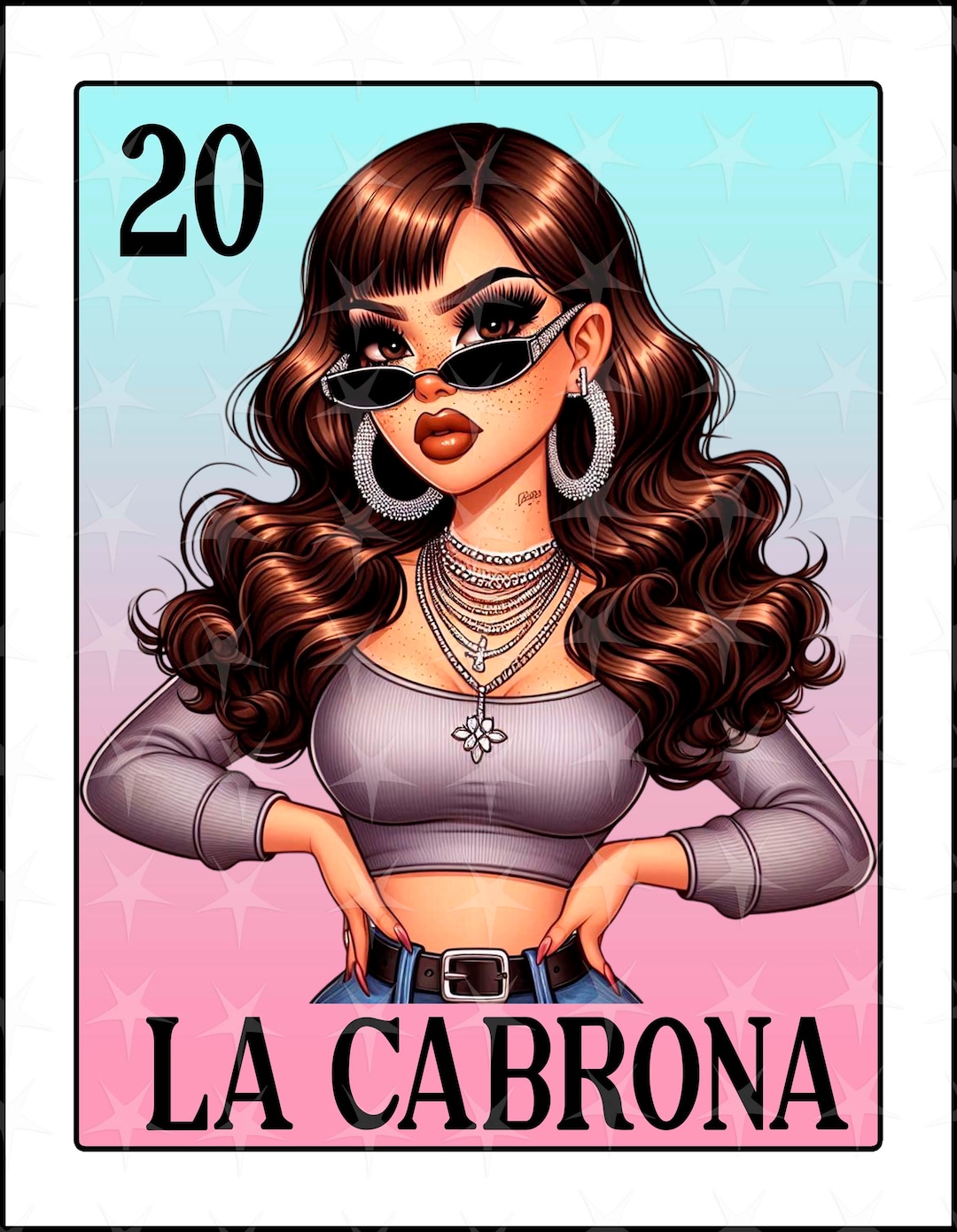
Believe it or not, in some contexts, calling someone a "cabrona" can actually be a compliment! It's often used to describe a woman who is strong, independent, assertive, and doesn't take any nonsense from anyone.
It implies that she's a force to be reckoned with, someone who knows what she wants and isn't afraid to go after it. Think of a powerful businesswoman, a fearless activist, or just a friend who always stands up for herself.
In this sense, it's a sign of respect and admiration. It acknowledges her strength and resilience. It’s empowering!
The Playful Tease: "Cabrona" Among Friends
Among close friends, "cabrona" can also be used playfully, almost like a term of endearment. It's a way of teasing someone for being stubborn, sassy, or a little bit mischievous.
Imagine a group of girlfriends ribbing each other about their dating escapades. One might say, "¡Ay, eres una cabrona! You always get what you want!" It’s all about affection and humor.
In this context, the word loses its sting and becomes a lighthearted jab.
So, How Do You Know When It's Okay to Use?
This is the million-dollar question! The key is to be incredibly aware of the context, your relationship with the person you're talking to, and your tone of voice. If you're not sure, it's always best to err on the side of caution.
Consider the person's personality, their sense of humor, and the overall vibe of the conversation. Are you close friends who often use playful insults? Or are you meeting someone for the first time?
If you're unsure, it's best to avoid using the word altogether. There are plenty of other ways to express your admiration or tease your friends without risking offense.
A Word of Caution for Non-Native Speakers
If you're not a native Spanish speaker, it's even more important to be careful. Using slang incorrectly can easily lead to misunderstandings and offense.
Even if you understand the different nuances of "cabrona," your pronunciation or tone might not convey the intended meaning. It's generally best to avoid using the word unless you're absolutely sure you know what you're doing.
Stick to more neutral terms of endearment or admiration. There are plenty of beautiful and expressive words in Spanish that won't get you into trouble.
Examples in Pop Culture: "Cabrona" in Music and Film
The word "cabrona" pops up in music and film, reflecting its complex and multifaceted meaning in everyday conversation. This is where we see it portrayed to the larger world.

In some songs, it's used to empower women, celebrating their strength and independence. In others, it's used more negatively, to describe a woman who is seen as manipulative or cruel.
By analyzing these examples, we can gain a better understanding of how the word is used in different contexts and its cultural significance.
Jenni Rivera: The Ultimate "Cabrona" Icon
The late, great Jenni Rivera, often referred to as "La Diva de la Banda," was a perfect example of a cabrona. She was a successful businesswoman, a loving mother, and a fierce advocate for women's rights.
She was unapologetically herself and didn't care what anyone thought. For many, she embodied the positive aspects of the word "cabrona" - strength, resilience, and independence.
She reclaimed the word and turned it into a badge of honor.
Beyond "Cabrona": Other Similar Words to Know
If you're interested in exploring similar words in Spanish, there are a few others you might want to learn. These words, like "cabrona," can have both positive and negative connotations, depending on the context.
Words like "chingona," "fregona," and "mandona" can all be used to describe a strong, assertive woman. However, they can also be used negatively to describe someone who is bossy or controlling.
Again, the key is to be aware of the context and your relationship with the person you're talking to.
Embracing the Nuance of Language
Ultimately, understanding the word "cabrona" is about embracing the nuance and complexity of language. Words aren't always black and white; they can have different meanings depending on the situation.
By paying attention to context, tone, and cultural understanding, we can avoid misunderstandings and appreciate the richness and diversity of human communication.
So, the next time you hear someone say "cabrona," remember that it's more than just a word. It's a reflection of culture, relationships, and the ever-evolving nature of language.
Learning about these nuances helps us better connect with others and appreciate the beauty of different cultures. It also allows us to celebrate the strength and resilience of women in all their diverse forms.
Whether it's an insult, a compliment, or a playful tease, "cabrona" is a word that definitely gets your attention. Just remember to use it wisely and with a healthy dose of cultural awareness.