What Does Alaska Violet Look Like
Ever stopped to wonder about the tiny bursts of color that dot the Alaskan landscape? Among the majestic mountains and sprawling tundra, a humble flower holds its own – the Alaska violet. It might not be as dramatic as the Northern Lights, but learning about this little wildflower is a delightful way to connect with the natural world, understand local ecosystems, and appreciate the subtle beauty that surrounds us, even in the harshest climates. Plus, who doesn't love identifying a new flower on a hike?
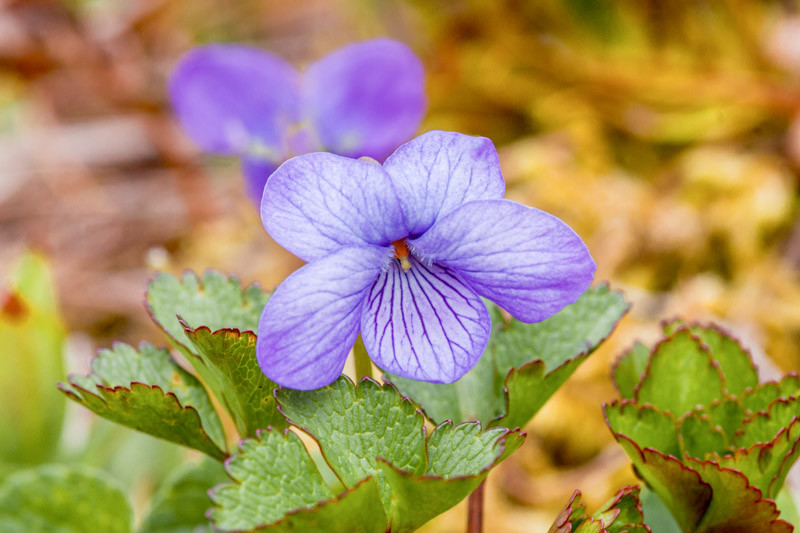
So, what exactly does an Alaska violet look like? Prepare for a little botanical detective work! The Alaska violet, scientifically known as Viola langsdorffii, is a small, low-growing plant, rarely exceeding 6 inches in height. Its most distinctive feature, of course, is its flower. Typically, these flowers are a vibrant purple or violet color, although variations ranging from lighter lavender to almost blue can occur. They're not overly large, usually measuring less than an inch across. The flower shape is classic violet: five petals, with the lower petal often spurred or bearded.
Beyond the pretty petals, look for the leaves. They are typically heart-shaped (cordate), with slightly toothed edges. The leaves are a lush green and grow from the base of the plant. Pay attention to the plant's overall form – it tends to form small clumps or patches, rather than standing alone. Because Alaska has such diverse habitats, you'll find them in a range of places, from moist meadows and stream banks to woodlands. Knowing the environment helps with identification.
Must Read
But the Alaska violet is more than just a pretty face! In ecological terms, it serves as a valuable food source for various insects and other wildlife. It’s also important for pollination, contributing to the overall health of the ecosystem. Historically, indigenous cultures have used various violet species for medicinal purposes, although it’s crucial to emphasize that you should never ingest any wild plant without expert guidance due to potential toxicity or misidentification. The benefits lie in their ecological role and the potential they hold for future research.

How can you explore the Alaska violet further? Well, if you’re in Alaska, simply head out for a hike during the blooming season (typically late spring and summer). Bring a field guide to Alaskan wildflowers to help with identification. Online resources, like plant identification apps, are also invaluable tools. Even if you’re not in Alaska, you can still learn! Incorporate the Alaska violet into educational lessons about botany, ecosystems, or even art projects. A simple watercolor painting of the flower can be a great way to appreciate its delicate beauty and understand its form. Students could research its ecological role in the Alaskan ecosystem. This is also a great teaching moment about proper plant identification and respecting nature.
Here are some simple ways to connect with the Alaska violet, wherever you are: create a nature journal and sketch it from a photo, research the historical uses of violets in different cultures, or even just appreciate violet-themed art and literature. The key is to cultivate a sense of curiosity and appreciation for the natural world around you. By learning about even the smallest wildflower, we gain a deeper understanding of the complex and beautiful web of life that connects us all.