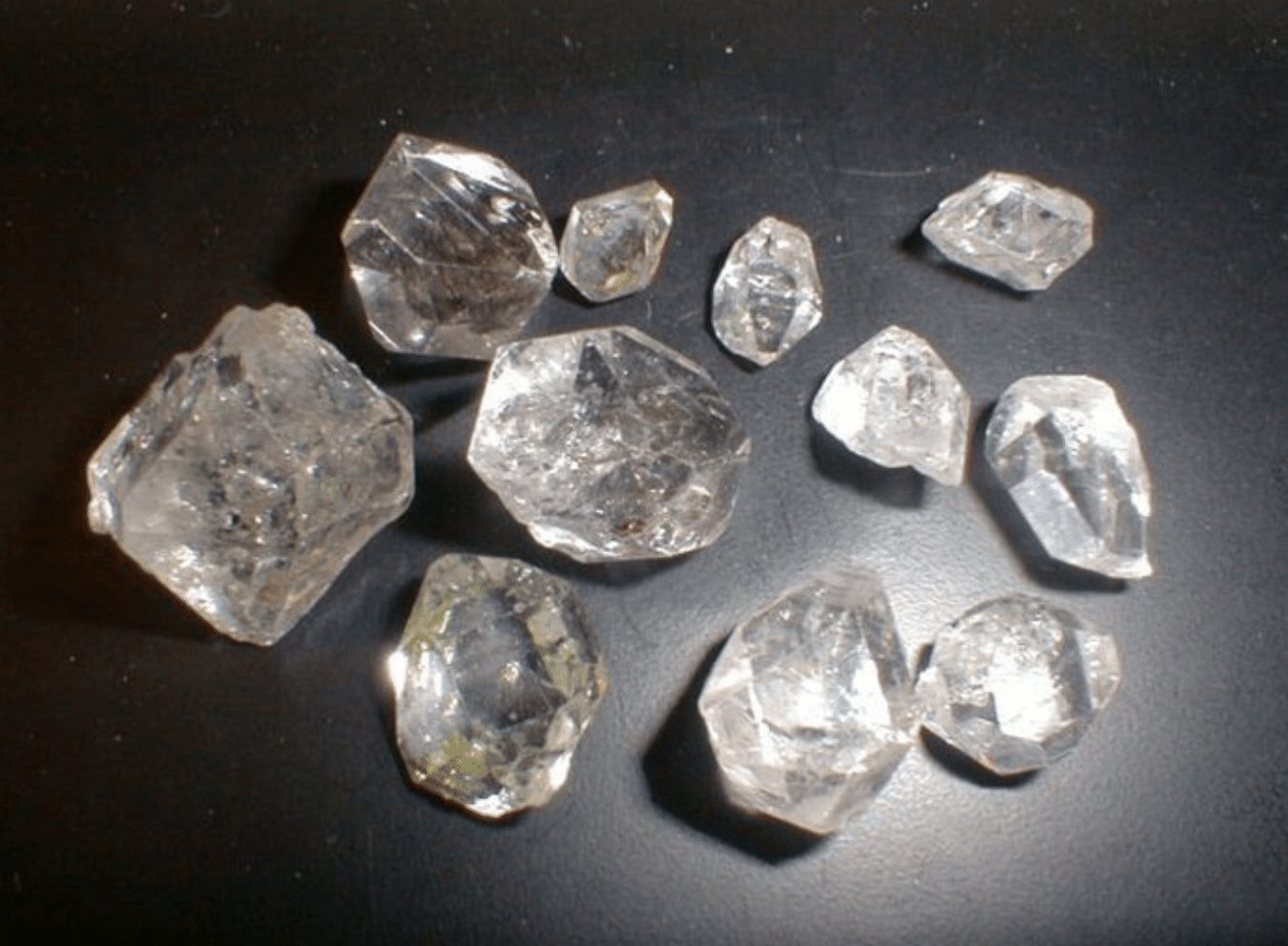
What Does A Raw Diamond Look Like

Ever imagined stumbling upon a treasure? A diamond, perhaps? We all have! But hold on a sec, because what you think a diamond looks like, sparkling and perfect, is probably far from the truth. We're talking about the raw, straight-from-the-earth version. Think less 'bling' and more 'blob'. Seriously.
Not Your Typical Sparkler
Let’s be honest. When you picture a diamond, you probably envision something like the Hope Diamond or the ring Beyoncé rocks. All facets, fire, and flawlessly cut to catch every glimmer of light. But a raw diamond? Imagine a potato. Yes, a lumpy, somewhat dull potato. Okay, maybe not that bad, but you get the idea. They are often covered in a skin called 'the coating' which can range from a cloudy white to black, brown or green. It's like the ugly duckling of gemstones, waiting to be transformed into a swan.
Think of it this way: You see a perfectly manicured lawn. Beautiful, right? But you don't see all the digging, fertilizing, and mowing that went into making it that way. A raw diamond is like the unkempt backyard before the landscaping crew arrives. It has potential, but it needs work! This coating can make the underlying diamond appear to be a different color. This coating will be removed in the initial stages of cutting and polishing.
Must Read
Shape Shifters
So, what shape are we talking about? Are we talking about a rough diamond? Forget perfectly symmetrical anything. Raw diamonds come in all sorts of weird and wonderful shapes. Some look like little octahedrons (eight-sided pyramids, kinda like a wonky D&D dice). Others are flattened, elongated, or just plain... irregular. There's no standard shape. It's like nature had a party and threw diamond crystals everywhere, and whatever shape they landed in, they stuck with!
They might look like little shards of glass, bits of gravel, or even…dare I say it…a misshapen pebble you picked up on the beach. The point is, they definitely don't scream "expensive" at first glance. Their original shape plays a crucial role in how the diamond cutter will work with the raw diamond and how the diamond will be cut and polished.
Color Me Confused
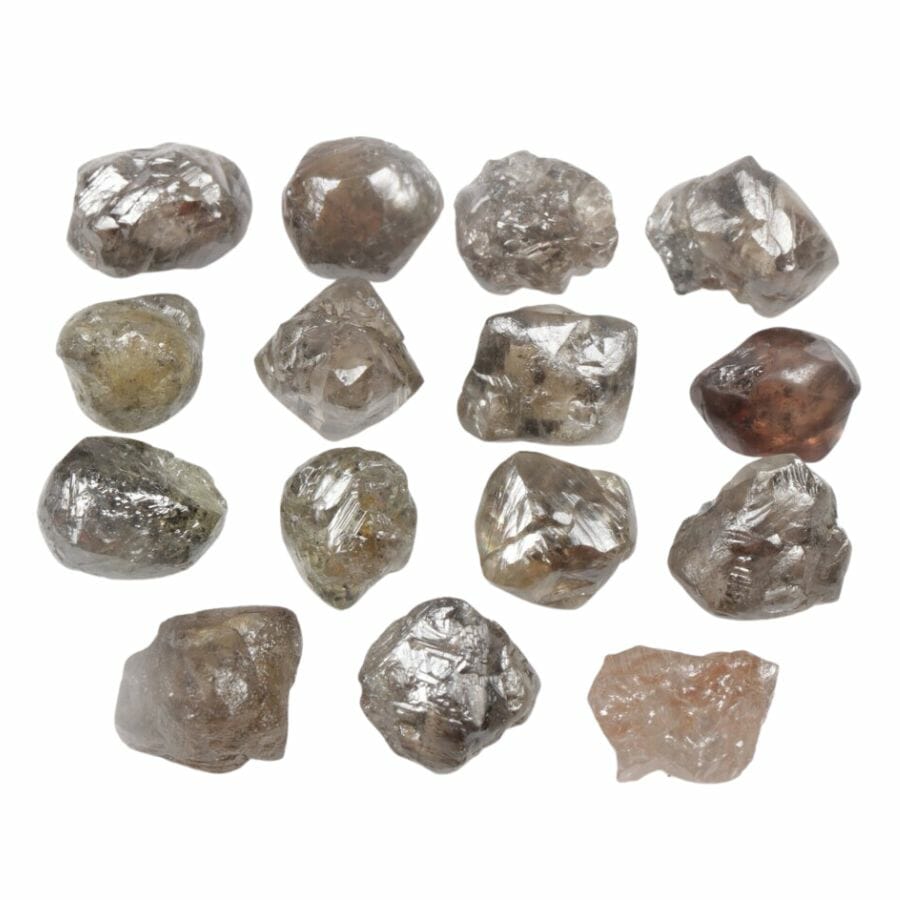
Color? Yeah, that's another tricky one. While you might automatically think "clear" or "white," raw diamonds can come in a whole rainbow of hues. From brown and yellow (the most common) to grey, green, and even pink or blue (super rare!). The color depends on the chemical impurities present during their formation. It's like adding food coloring to dough – you get different results depending on what you throw in the mix. The color of the rough diamond will affect the overall value of the finished product.
Sometimes, the color is masked by that darn "coating" we talked about earlier. You might only get a hint of the true color until the stone is cleaned and prepped for cutting. It's like getting a surprise gift – you don't really know what you're getting until you unwrap it!

Finding the Treasure
So, next time you're out hiking and you see a funny-looking rock, don't just kick it aside! Okay, the chances of it being a raw diamond are slimmer than winning the lottery twice in a row. But hey, a girl can dream, right? Even if it's just a cool-looking quartz crystal, you’ll have a story to tell. A proper geological survey is needed to verify any raw diamonds.
Just remember, the beauty of a polished diamond starts with a rough and humble beginning. It’s a testament to the power of transformation and the fact that even the most unassuming things can hold incredible value, hidden just beneath the surface. Sort of like that awkward phase we all went through in middle school...before we were all shiny and fabulous!
And who knows, maybe one day you will stumble upon a raw diamond. Just promise me you won't try to polish it yourself with sandpaper. Leave that to the professionals! They're the diamond whisperers, turning ugly ducklings into breathtaking swans, one facet at a time.