What Does A Normal Septic Tank Look Like
Ever flushed a toilet and given absolutely no thought to where it all goes? If you live in a bustling city, chances are it's whisked away by an elaborate municipal sewer system. But for millions of us, especially those enjoying the peace of country living or a charming suburban home without city hookups, there's a silent, subterranean hero working tirelessly beneath our feet: the septic system. It might not be the most glamorous topic at dinner parties, but understanding this vital piece of infrastructure is actually incredibly empowering, bringing a deep sense of self-sufficiency and environmental responsibility to homeowners.
The humble septic tank is a marvel of passive engineering and natural biology. Its primary purpose is simple yet profound: to treat and disperse household wastewater safely back into the ground. It allows us to enjoy all the conveniences of modern plumbing – showers, dishwashers, washing machines – without needing a connection to a city sewer line. This isn't just about convenience; it's about environmental protection, preventing untreated wastewater from contaminating local soil and water sources. For homeowners, it means independence from municipal utility bills for sewage, offering a long-term, cost-effective solution for waste management.
You’ll find septic systems everywhere from sprawling rural farms and cozy lakeside cabins to many suburban developments that predate extensive city infrastructure. They're the backbone of waste management for countless homes and businesses that thrive beyond the reach of municipal services, proving that a little ingenuity can go a long way in managing our daily needs responsibly and sustainably.
Must Read
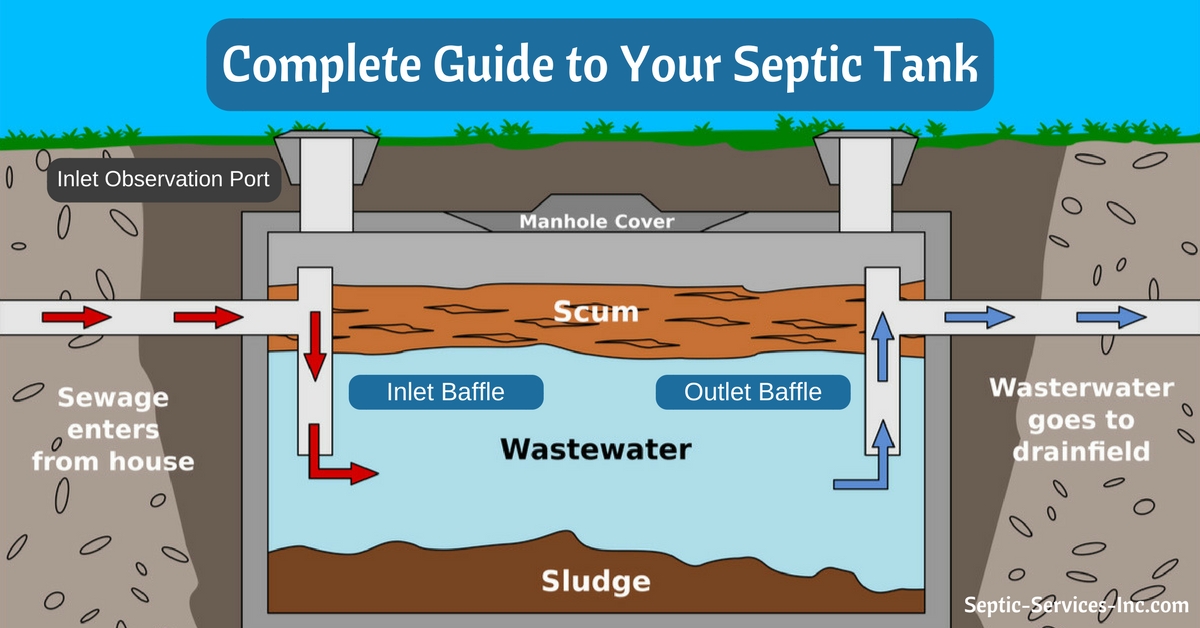
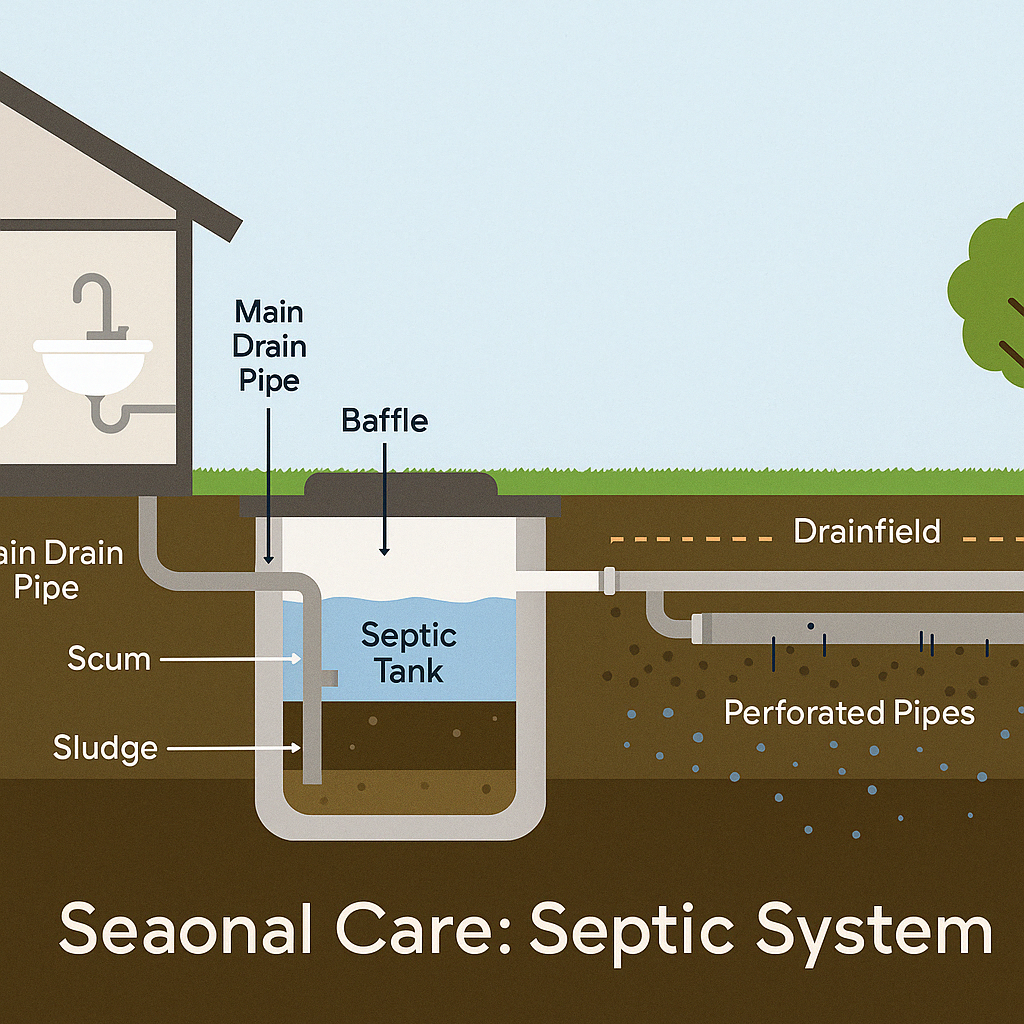
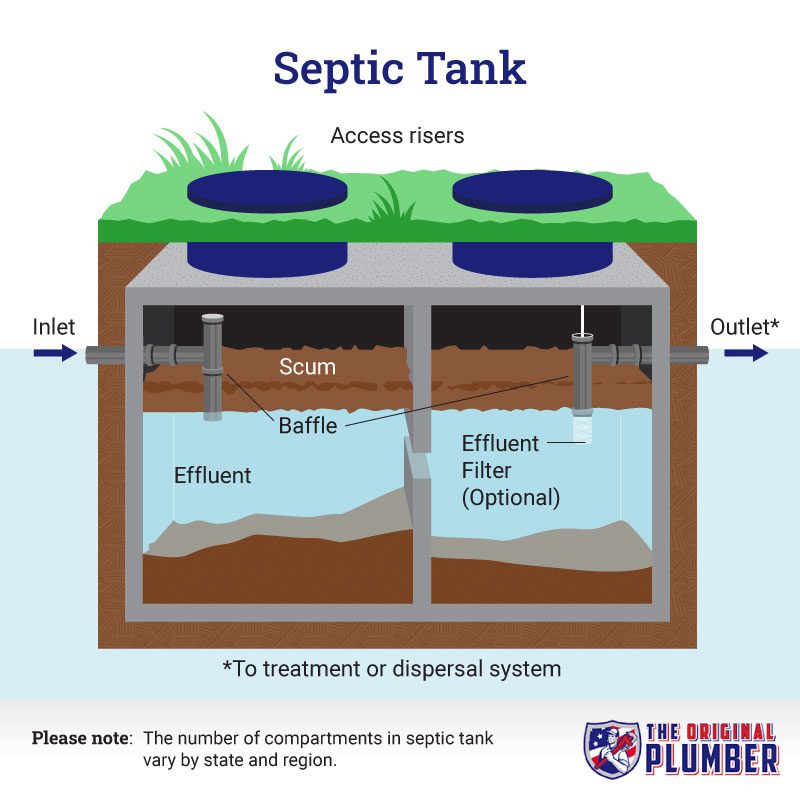
So, what does a normal septic tank actually look like? From the outside, you’ll usually see only a couple of sturdy lids or risers poking slightly above the ground, often hidden by landscaping. Dig a little deeper (please don't, unless you're a professional!), and you'd find a large, watertight container, typically made of concrete, fiberglass, or plastic, buried underground. Most tanks have two compartments. As wastewater enters the first compartment, the magic begins. Heavier solids settle to the bottom, forming what’s called sludge. Lighter materials like oils and grease float to the top, creating a scum layer. In between these layers is the 'effluent,' a clarified liquid that flows into the second compartment, where further settling occurs. From there, this partially treated wastewater flows out into the drain field (also known as a leach field) where it's naturally filtered by soil before rejoining the groundwater. A normal, healthy tank is a bustling ecosystem of anaerobic bacteria silently doing their job, breaking down organic matter. You won’t see much besides the access lids, and that’s precisely the point – it’s designed to be out of sight, out of mind, and odor-free when working correctly!
To ensure your septic system continues its silent, effective service, a few simple tips can make all the difference and help you "enjoy" it more effectively:
- Know Your System: Understand where your tank and drain field are located.
- Pump Regularly: Schedule professional pumping every 3-5 years, depending on household size and tank volume. This removes the accumulated sludge and scum.
- Watch What You Flush: The golden rule! Never flush anything non-biodegradable – no wet wipes (even 'flushable' ones), feminine hygiene products, cat litter, or harsh chemicals. Grease is a major culprit, too; it solidifies and clogs pipes.
- Conserve Water: Less water going into the tank means less stress on the system and drain field.
- Protect the Drain Field: Avoid driving heavy vehicles over it or planting trees with invasive root systems nearby.