
What Does A Cannabis Plant Look Like
Alright, gather 'round, friends! Let's talk cannabis. No, not that talk (though we can get to that later!). I'm talking about the plant itself. Ever wondered what a cannabis plant actually looks like? It's not just some blurry green blob, you know. It’s a surprisingly stylish piece of botanical architecture, like Mother Nature decided to take up modern art… with some very specific purposes in mind.
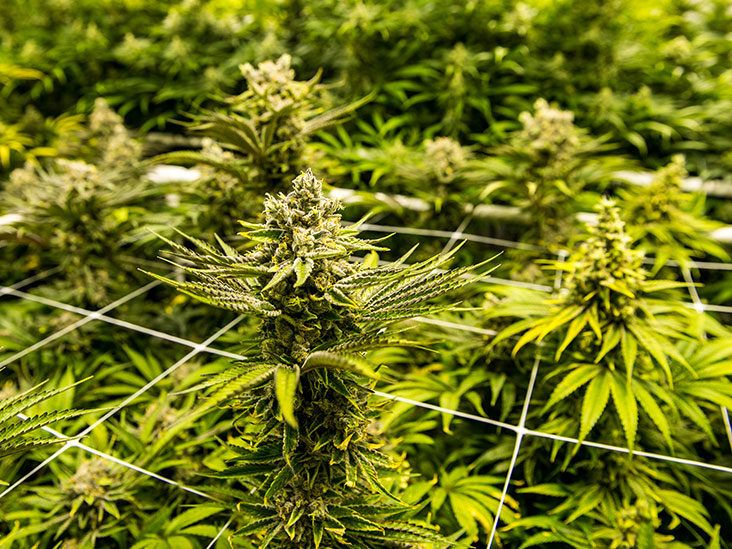
Imagine, if you will, a plant trying to be a Christmas tree, but then it got distracted by a disco ball. That's kind of close! Cannabis plants are typically bushy and upright, often growing anywhere from a couple of feet to, in some extreme cases, taller than your overly enthusiastic Uncle Barry after he's had a few too many eggnogs.
The Main Event: Leaves
Now, the leaves. These are the rock stars of the cannabis plant. When you picture a cannabis leaf, you're probably thinking of the iconic fan leaf. It’s the one slapped on t-shirts, posters, and probably even your grandma’s new reusable shopping bag (okay, maybe not your grandma). They have this distinctive palmate shape – that means they look like a hand with several fingers. Usually, there are between 5 and 9 “fingers,” or leaflets, but sometimes you’ll see as many as 13. It's like the plant is constantly offering you a high five... a very, very green high five.
Must Read
The number of fingers isn't just for show. It can actually tell you something about the strain. More fingers? Potentially a sign of a Sativa-dominant plant. Fewer? Indica might be calling the shots. Think of it as leaf-reading. It’s not quite as accurate as your horoscope, but it's definitely more interesting.
The leaves themselves are typically a vibrant green, although they can vary in shade depending on the strain, the growing conditions, and whether or not the plant is having a particularly bad day. (Plants get stressed too, you know! They're just much better at hiding it. Probably because they can’t complain on social media.)
Stalking the Stalk
Moving downwards, we've got the stalk, or the main stem. This is the plant's backbone, the sturdy support that keeps everything upright. It's usually thicker at the bottom and tapers as it goes up. From the stalk, branches sprout out, reaching for the sky like tiny, leafy arms.
Fun fact: the stalk itself contains fibers that can be used for all sorts of things, like making rope, clothing, and even… wait for it… hempcrete! Yes, that's concrete made with hemp. So next time you're admiring a cannabis plant, remember, it could be the future of sustainable construction. Mind. Blown.

Flower Power: Buds!
Okay, okay, I know what you're really here for. Let's talk about the flowers, or the buds. These are the good stuff, the reason we're all gathered here today. But here’s the thing: cannabis plants are usually dioecious, meaning they're either male or female. It’s like a botanical dating app, but with pollen.
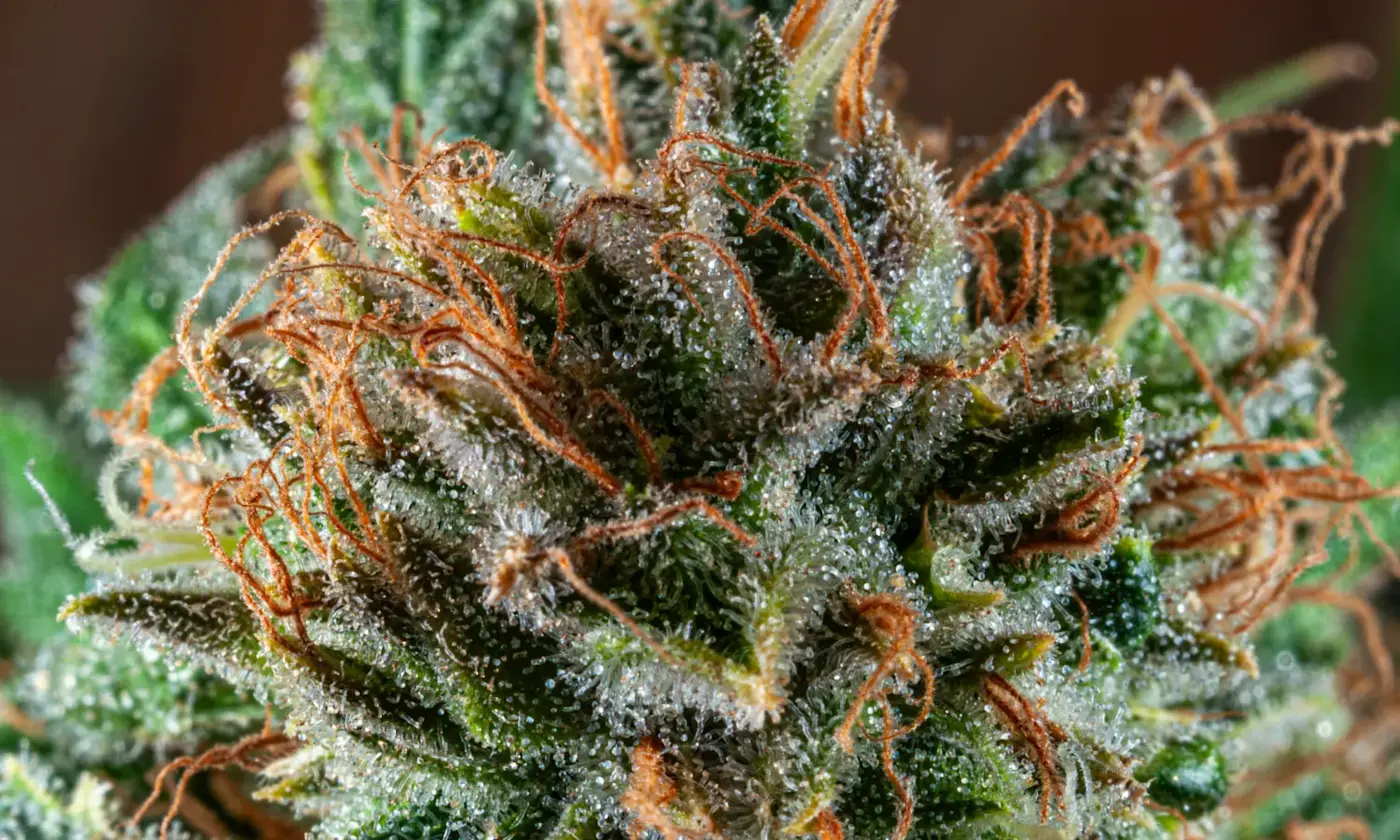
The female plants are the ones that produce the resinous buds we all know and love. These buds are clusters of tiny flowers called calyxes, which are covered in glistening, sticky crystals called trichomes. These trichomes are where the magic happens – they're packed with cannabinoids (like THC and CBD) and terpenes (the things that give cannabis its unique smell and flavor).

Think of trichomes as the plant's tiny bodyguards, protecting it from pests and UV rays. They also happen to be ridiculously potent, which is why they’re so sought after.
Male plants, on the other hand, produce pollen sacs. Their job is to pollinate the female plants, which leads to seed production. Unless you're planning on starting your own cannabis farm, you generally don't want male plants around, as they can reduce the potency of the female buds. They’re basically the annoying guy at the party who keeps trying to start a conversation about Bitcoin.

A Few Extra Bits and Bobs
Besides the main parts, there are a few other features you might notice. Stipules are small, leaf-like structures that grow at the base of the leaves. They're not as iconic as the fan leaves, but they play an important role in protecting the plant. Then there are the pistils, the hair-like strands that emerge from the calyxes. These are the female plant's reproductive organs, and they're what catch the pollen from the male plants (if there are any around, that is).
So, there you have it! A crash course in cannabis plant anatomy. Next time you see one, you'll be able to impress your friends with your newfound knowledge. You can even casually drop the word "trichome" into conversation. Trust me, it's a real conversation starter… or ender, depending on your audience.
Just remember, cannabis plants are more than just a source of recreational enjoyment. They're complex, fascinating organisms with a long history and a bright future. And now, you're one step closer to understanding them. Go forth and spread the knowledge! (Responsibly, of course.)