
What Do Carbon Monoxide Detectors Do
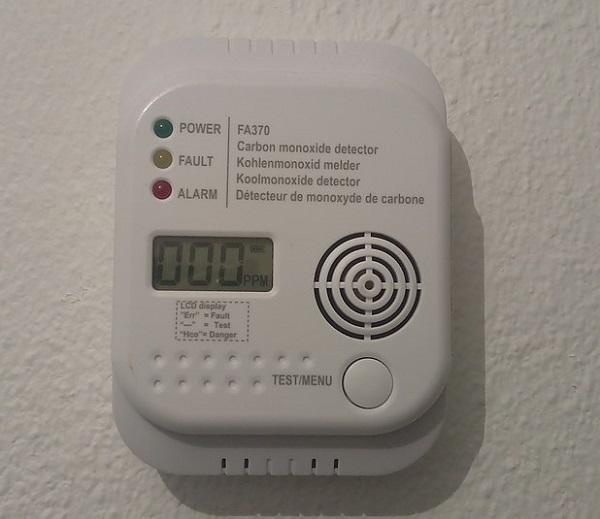
Ever wondered about those little gadgets often found alongside smoke alarms, diligently blinking away on our ceilings or walls? We often take them for granted, but learning about them is actually pretty fascinating, and incredibly important for our safety. Today, we're going to peek behind the curtain of something called a carbon monoxide detector – a true unsung hero of home safety that you definitely want on your side.
So, what exactly is carbon monoxide, often abbreviated as CO? Imagine an invisible, odorless, and tasteless gas. It’s a sneaky byproduct of incomplete combustion – meaning when things like natural gas, propane, wood, or gasoline don't burn completely. Think of your furnace, gas stove, water heater, or even a fireplace. Normally, these are safe, but if something goes wrong, like a clogged vent or a faulty appliance, CO can build up silently and quickly in your home.
This is where our clever detector steps in. Unlike a smoke detector that sniffs out smoke particles, a CO detector is specifically designed to sense the presence of this invisible gas in the air. It continuously monitors the atmosphere, often using an electrochemical sensor, and if CO levels reach a dangerous threshold, it lets out a loud, unmistakable alarm, giving you precious time to react. Its primary benefit? It provides an early warning system, often long before you'd ever feel sick or notice anything is wrong, potentially saving lives and preventing serious health issues like nausea, dizziness, headaches, confusion, and even death from CO poisoning. It's truly about peace of mind and protection against an otherwise undetectable and lethal threat.
Must Read
You’ll find CO detectors in almost every modern home and apartment, usually mounted on walls or ceilings, especially near sleeping areas and on every level of the house. They’re also crucial in RVs, cabins with fuel-burning heaters, and even on boats with engines or gas appliances. Anywhere there's a potential for combustion, there should be a CO detector. In an educational context, understanding CO detectors often comes up in fire safety talks or basic science lessons about combustion and gas safety. Kids learn why we can't 'see' some dangers and how technology helps protect us, making the invisible, visible through an alarm.
Want to get hands-on with this cool tech? First, locate your own CO detectors. Many have a prominent test button – press and hold it briefly to hear the alarm and confirm it's working properly (be prepared, it'll be loud!). Remember to replace the batteries periodically if it's a battery-operated unit, and crucial for all types, replace the entire unit every 5-7 years, as the internal sensors degrade over time and lose their sensitivity. Always check the manufacturer's date on the back of the unit. For ideal placement, aim for at least one on every level of your home, and especially near bedrooms and main living spaces. While they detect gas from fuel-burning appliances, avoid placing them too close to these appliances (like right next to a furnace exhaust), as normal, safe operation can sometimes trigger nuisance alarms. And what if it actually goes off? Don't panic, but act fast: get everyone, including pets, outside into fresh air immediately, and then call your local emergency services or fire department. Learning about CO detectors isn't just a fun curiosity; it's a vital step in staying aware and keeping your loved ones safe and sound.


.jpg?itok=zwEl3CfV)
