
What Cities Will Be Affected By The San Andreas Fault

Okay, folks, let's talk about something that's been rumbling in the background of California dreams (and sometimes, reality): the San Andreas Fault. Think of it as California's geological zipper, constantly trying to un-zip itself…very, very slowly. Now, you might be thinking, "Earthquakes? That's a problem for scientists and Hollywood disaster movies!" But hold on, because it affects a lot more of us than you might think, especially if you're anywhere near this famous fault line.
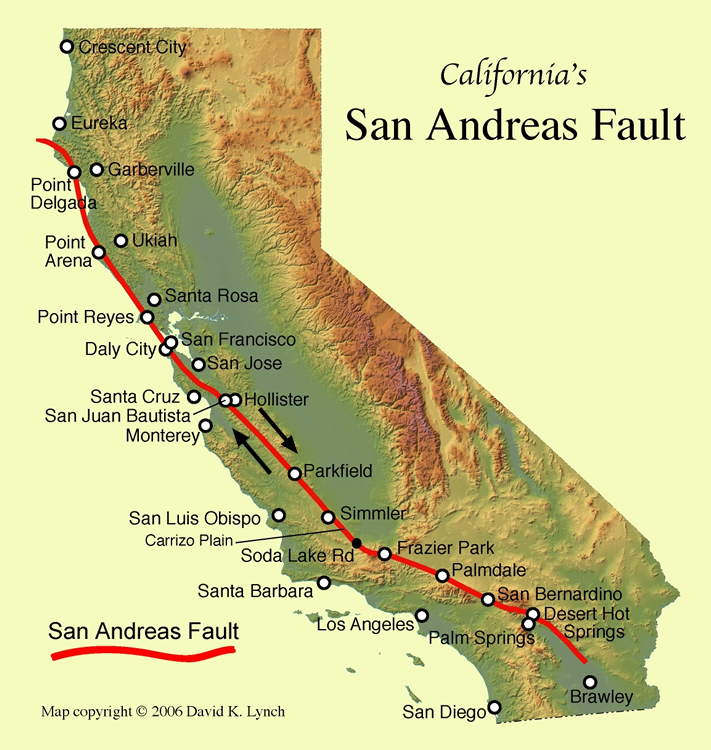
So, which cities are we talking about? Well, it's not as simple as drawing a line on a map. The San Andreas is a long and complex network, and its effects can be felt far and wide. But here's the lowdown on the major players:
Cities Closest to the Action
First up, let's talk about the cities sitting closest to the fault itself. Think of it like living next to a busy highway – you're going to hear the traffic, even if you're not directly on the road. Some of the cities in this "close proximity" club include:
Must Read
- San Francisco: Yep, the city by the bay. You know, cable cars, Golden Gate Bridge, and…potential earthquakes. While the fault doesn’t run directly through San Francisco, its proximity means the city is definitely in the impact zone. Imagine trying to pour a cup of coffee during a tremor – not exactly a smooth start to your day!
- San Jose: Silicon Valley, the heart of tech, and also sitting near the San Andreas. All those brilliant minds might have to come up with earthquake-proof servers someday!
- Oakland: Across the bay from San Francisco, Oakland shares a similar level of risk. It's like being on the same team – you win together, you…well, you experience seismic activity together.
- Santa Rosa: A bit further north, in wine country. Imagine trying to hold onto your glass of Pinot during an earthquake!
- Los Angeles: Now, this is a big one. While the San Andreas doesn't run directly through downtown LA, it's close enough to cause significant damage in a major quake. Think of it like this: you might live a few blocks from a stadium, but you can still hear the roar of the crowd on game day.
- San Bernardino: Located east of Los Angeles, this city also faces a significant risk due to its proximity to the southern section of the fault.
It’s important to remember that the impact isn't just about distance. The type of soil a city is built on, the age and construction of its buildings, and even the local emergency preparedness plans all play a huge role in how well it can withstand an earthquake.
The Ripple Effect: Secondary Impacts
But here's the thing: even if you don't live right next to the fault, you could still feel the effects. Imagine dropping a pebble in a pond – the ripples spread out, right? Earthquakes are similar. The shaking can travel for miles, causing damage to buildings, infrastructure, and even triggering landslides.

Think about cities like Sacramento. While not directly on the San Andreas, a major earthquake could disrupt water supplies, damage transportation routes, and impact the economy. It’s like when a big storm hits your neighbor's house – even if your house is fine, you might still lose power or have to deal with debris.
Why Should You Care? (Besides the Obvious Shaking)
Okay, so you know the fault exists and it affects certain cities. But why should you really care, beyond just being aware of the geological reality of living in California? Because earthquakes can impact:
- Your Home: Is it properly secured? Do you have earthquake insurance? These are questions worth asking, especially if you live in a high-risk area. Think of it like car insurance – you hope you never need it, but you're glad you have it when something happens.
- Your Community: Earthquakes can disrupt power, water, and gas services. Knowing your neighbors and having a community emergency plan can make a huge difference in how quickly you recover. It's like having a good support system when you're going through a tough time.
- The Economy: Major earthquakes can cripple businesses, disrupt supply chains, and impact the overall economy. Being prepared can help mitigate these economic impacts.
What Can You Do?
Don't panic! Being aware is the first step. Educate yourself about earthquake safety. Have an emergency kit ready with water, food, and a first-aid kit. Secure heavy furniture to the walls. And most importantly, practice what to do during an earthquake: drop, cover, and hold on!
Living near the San Andreas Fault is a reality for many Californians. But by being informed, prepared, and proactive, we can all be a little bit more resilient when the earth decides to wiggle. Think of it as being prepared for a really, really bumpy road trip – you might not enjoy the bumps, but you can make sure you're buckled up and ready for anything!

