
What Chemicals Are In Fire Extinguishers
Hey there, friend! Grab a coffee, settle in. Ever stared at a fire extinguisher, that bright red sentinel, and thought, "What in the blazes is actually in that thing?" No? Just me? Well, either way, let's pull back the curtain on those mysterious canisters. It’s actually pretty cool, not just some magic fairy dust, I promise!
You see, putting out a fire isn't just about dousing it. Nope! Fires are a bit like needy toddlers; they need specific things to keep going. We call it the Fire Triangle: heat, fuel, and oxygen. Take one away, and poof! No more fire. And that, my curious companion, is where our chemical heroes come in.
The OG: Water, but with a Twist!
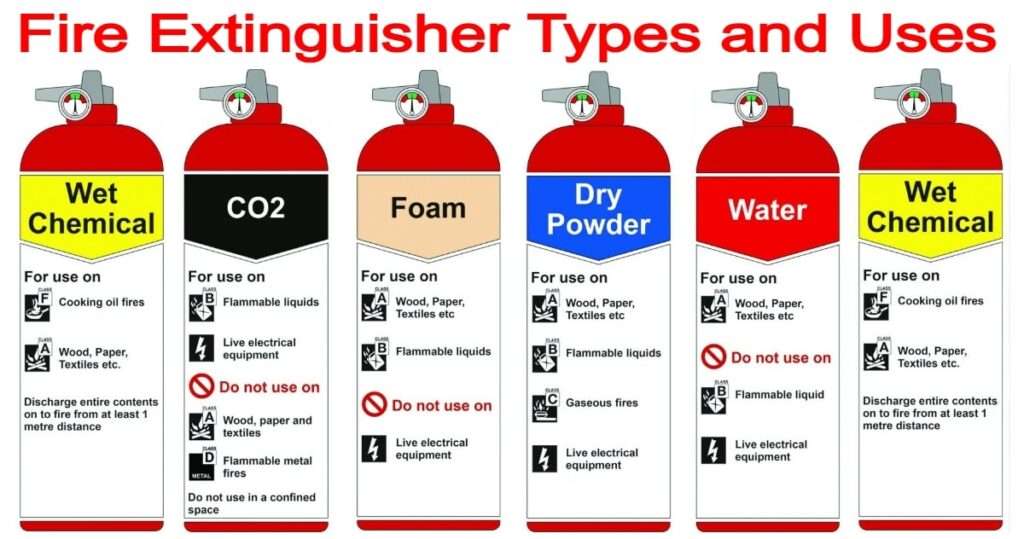
Okay, this one's a no-brainer, right? Water. Revolutionary, I know. But seriously, many fire extinguishers are just big cans of H2O. These are your Class A extinguishers, perfect for everyday stuff like wood, paper, or fabric fires. How do they work? Simple: water cools the fire, taking away the heat. It’s like giving a hot temper a cold shower. Super effective for those common blazes, but please, for the love of all that's holy, never use water on electrical fires or grease fires! You'll only make things worse. Trust me on this one.
Must Read
The "Powder Power" Crew: Dry Chemical Extinguishers
Now we're getting to the fun stuff! If you've ever seen a fire extinguisher go off and leave a big dusty mess, you've met a dry chemical extinguisher. These are the versatile workhorses, often rated ABC (meaning they tackle Class A, B - flammable liquids, and C - electrical fires). Pretty neat, huh?
So, what’s in the powder? Well, two main stars, depending on the type:

-
Sodium Bicarbonate: Yep, good ol' baking soda! The stuff you might have in your fridge to absorb odors, or in your pantry for baking. In a BC extinguisher, it's pressurized. When it hits the fire, it releases carbon dioxide, which smothers the flames by displacing oxygen. It also creates a barrier. It’s like a tiny army of microscopic suffocators. Pretty neat for liquid and electrical fires!
-
Monoammonium Phosphate (MAP): This is the superstar for ABC extinguishers. It’s a yellow powder that works on all three fire classes. How? When it hits a fire, it melts and forms a sticky coating over the fuel. This not only smothers the fire (bye-bye, oxygen!) but also interrupts the chemical chain reaction. It’s like putting a sticky blanket on the fire, denying it all its needs. Very clever!
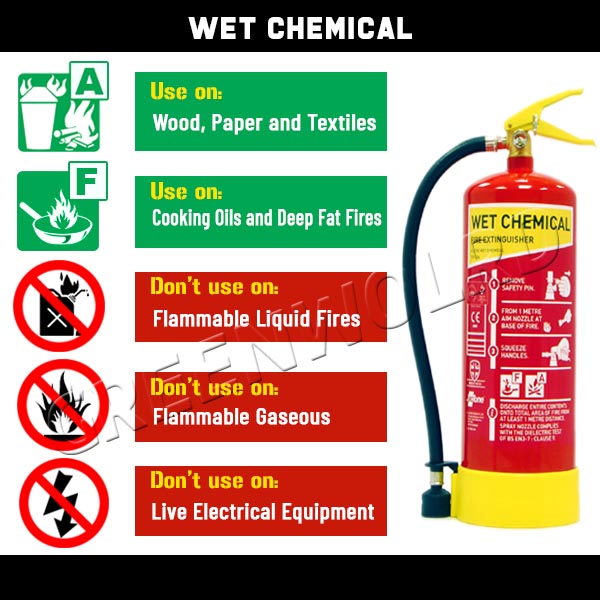
What is Fire Extinguisher ? | Classification of Fire Enxtinguisher
The "Clean" Team: Carbon Dioxide (CO2)
Ever seen those sleek, black extinguishers with the big horn-shaped nozzle? That's a CO2 extinguisher. And yes, you guessed it, they're filled with carbon dioxide gas, compressed until it’s a liquid. These are fantastic for Class B (flammable liquids) and Class C (electrical) fires because they're super clean. No messy powder to clean up afterwards! A huge plus if you're trying to save expensive electronics.
When you pull the lever, the liquid CO2 expands into an incredibly cold gas. It works in two ways: it displaces the oxygen around the fire (smothering it) and also cools it down significantly. Think of it as giving the fire a severe case of frostbite. But a word of caution: because it displaces oxygen, don't go spraying these in a small, unventilated room without knowing what you're doing. We want to put out fires, not friendly humans, right?
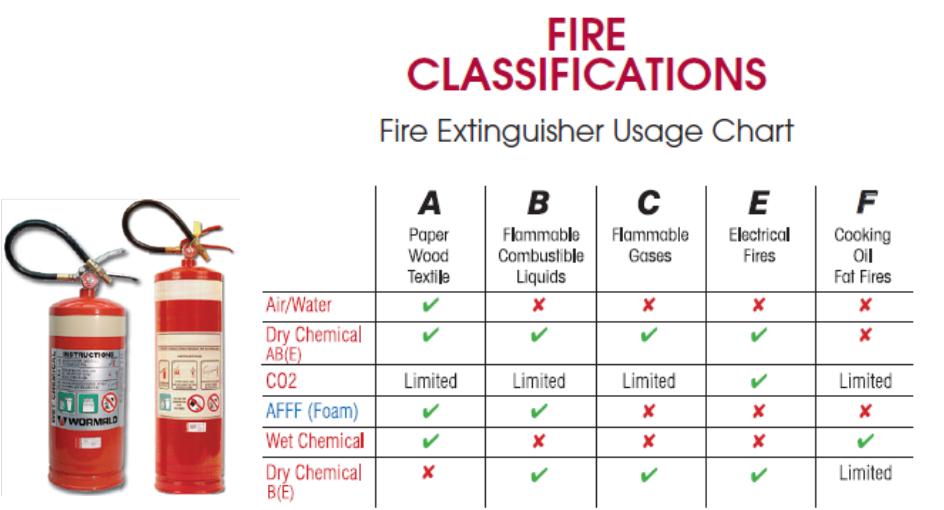
The Grease Busters: Wet Chemical (Class K)
If you've ever worked in a commercial kitchen, you know about these bad boys. Class K extinguishers are specifically designed for fires involving cooking oils and fats (think deep fryers!). They contain a potassium-based solution, like potassium acetate or potassium carbonate.
When sprayed, this chemical reacts with the hot grease in a process called saponification. Basically, it turns the burning oil into a non-combustible, soapy foam. It’s like making soap right there on the fire, creating a barrier that smothers and cools. Super cool science in action, keeping our chefs safe!

The High-Tech Heroes: Clean Agents (Halogenated Extinguishers)
Remember those old "Halon" extinguishers? They were amazing at putting out fires without a mess, but turns out, they weren't so great for the ozone layer. Oops! So, modern science gave us "clean agents" like FM-200, Novec 1230, or Halotron.
These are often found in server rooms, museums, or places with sensitive equipment. They work primarily by interrupting the chemical chain reaction of the fire, often without displacing much oxygen. They’re like tiny, invisible ninjas that sneak in and break up the party, leaving no trace behind. Pretty impressive, huh?
So there you have it! From humble water to high-tech chemical ninjas, fire extinguishers are packed with specific compounds, each designed to tackle a particular type of blaze by messing with that pesky fire triangle. Who knew putting out fires could be such a chemical adventure? Next time you see one, you'll know it's not just a red can; it’s a tiny, powerful science lab ready to save the day!