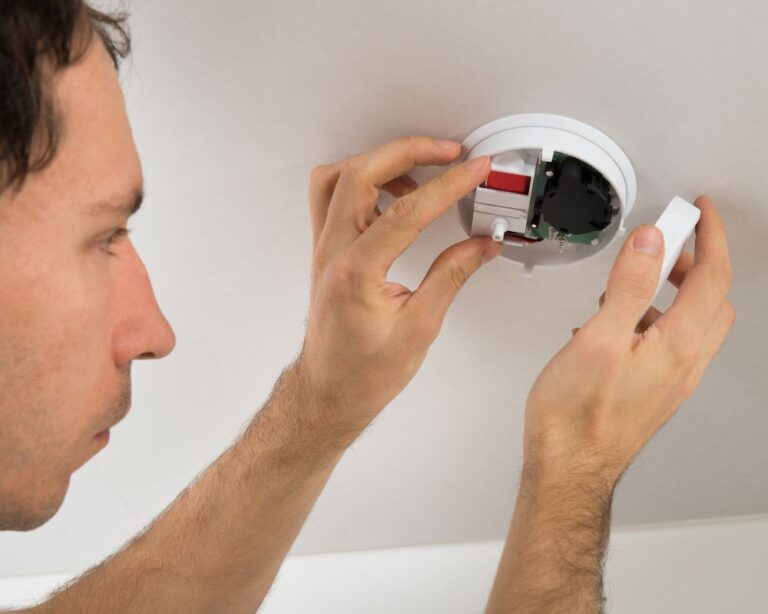
Ah, the smoke detector. That chirpy, often irritating, but ultimately life-saving little gadget perched precariously on your ceiling. While "enjoy" might not be the first word that comes to mind when that ear-splitting alarm rips through your peaceful evening, there's an undeniable appreciation we all have for these vigilant guardians. They're the silent sentinels, always on watch, ready to scream a warning when danger, big or small, comes knocking. They offer a profound sense of security, allowing us to sleep soundly knowing we have an extra layer of protection against the unthinkable.
The primary benefit of a smoke detector is beautifully simple: it provides early warning. Fires can be swift and silent, especially in the dead of night when our senses are dulled by sleep. A working smoke detector gives you precious minutes – minutes that can mean the difference between a minor incident and a tragedy. It's not just about protecting your property; it's about safeguarding lives, giving you and your loved ones the crucial time needed to evacuate safely. They are a passive, yet incredibly active, component of your home's safety system, a true investment in peace of mind.
So, what sets these guardians off? Sometimes, it's the genuine article: an actual fire, which, while terrifying, means your detector is doing its job perfectly. But more often than not, those startling beeps are triggered by more mundane, albeit equally alarming, culprits. Think of the classic "burnt toast" scenario, where the smoke from your slightly-too-crispy breakfast is enough to send the alarm into a frenzy. Or perhaps it's the innocent steam from a hot shower or a vigorously boiling pot of pasta creating a dense vapor cloud. These common household events often mimic the particulate matter that fire produces, making them frequent false alarm instigators.
Beyond culinary missteps and steamy bathrooms, other surprising things can trip your detector. An accumulation of dust or cobwebs inside the detector's chamber can interfere with its sensors, leading to phantom alarms. Certain aerosol sprays, like hairspray, air fresheners, or bug spray, can also release particles that confuse the device. Even something as simple as a low battery will often trigger a distinct, albeit less intense, "chirp" to alert you that it needs attention, a sound that often arises in the middle of the night, just to add to the drama.
To keep your smoke detectors happy and prevent those heart-stopping false alarms, here are a few practical tips. Firstly, placement is key: avoid installing them too close to kitchens or bathrooms where steam and cooking fumes are prevalent. Instead, aim for hallways outside bedrooms and on every level of your home. Secondly, test your detectors monthly by pressing the test button, and change their batteries annually – a good reminder is to do it when you change your clocks for daylight saving time. Regularly give them a gentle vacuuming to clear out any dust or insects that might have found their way inside. Finally, ensure good ventilation when cooking or showering to dissipate harmless fumes before they reach your vigilant ceiling sentinels. By understanding their quirks and giving them a little TLC, you can ensure they remain your quiet, effective guardians, ready to sound the alarm only when it truly matters.