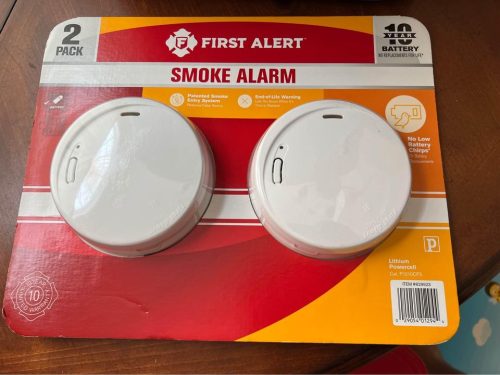
What Causes Smoke Detectors To Go Off Randomly

Ever been jolted awake in the middle of the night by that piercing, seemingly random shriek from your smoke detector? Or perhaps you're just enjoying a nice, quiet evening, only for your trusty alarm to suddenly declare an emergency when there's clearly no fire in sight? You're not alone! This common household mystery is more than just an annoyance; it’s a universal experience that leaves many of us scratching our heads. Understanding why these vital guardians of our homes sometimes cry wolf can turn a moment of panic into a simple fix, making this topic not just popular, but incredibly useful.
Knowing the sneaky culprits behind these false alarms offers peace of mind for everyone. For beginners, like new renters or homeowners, it's about demystifying a crucial safety device and aiding basic home troubleshooting. Families, especially those with little ones, benefit immensely by minimizing startling disruptions and ensuring the detector is always ready for a real emergency, not just a steamy shower. And for the more curious homeowners or DIY-minded folks, it's a chance to understand the simple mechanics of their home safety systems, taking charge rather than being at the mercy of a beeping box.
So, what exactly makes these sensors so finicky? Often, it’s not smoke at all! One of the biggest offenders is steam and high humidity. Think about that post-shower cloud or a humidifier working overtime – these can trigger your detector just like smoke. Another frequent cause is simple dust and debris; these tiny particles accumulate inside the sensor chamber, creating a false alarm. Even tiny insects can crawl in and disrupt the sensor. Don't forget cooking fumes, even from burnt toast or searing a steak, which disperse particles that mimic smoke. Strong chemical fumes from cleaning products or paint can also set them off. And sometimes, the issue is more mundane: a low battery (often a chirp, not a full alarm), a minor power surge, or simply an aging detector that has become overly sensitive or faulty after years of service. Improper placement, too close to a bathroom or kitchen, is also a common culprit.
Must Read
Ready to take control? Here are some simple steps to silence those phantom alarms. First, regularly clean your detectors. A gentle vacuum over the vents or a damp cloth wipe can remove dust and cobwebs. Second, check and replace batteries annually, even if they aren't chirping yet – daylight saving time is a great reminder. Third, test your detectors monthly with the test button to ensure they're working. Fourth, ensure proper placement: keep them at least 10 feet away from cooking appliances and showers. If you know you’re going to generate steam, like when showering or boiling pasta, simply ventilate your space by opening a window or running a fan. Finally, remember that smoke detectors don't last forever; replace units older than 10 years, as sensors degrade. Knowing the difference between a full alarm and a low battery 'chirp' can also save you a lot of grief.
By understanding these common culprits and taking a few proactive steps, you can significantly reduce those startling, random alarms. It’s about gaining peace of mind and ensuring that when your smoke detector does go off, it’s for a truly important reason. Empower yourself with this knowledge and enjoy a calmer, safer home!