What Causes A Smoke Detector To Chirp

Ah, the smoke detector chirp. It’s a sound that can launch us out of bed at 3 AM, send us scrambling for a step stool, and often leaves us muttering to ourselves in the dark. It’s not the full-blown, ear-splitting alarm that signals danger, but rather a polite, persistent, and often maddening little peep. But what exactly is this tiny sentinel trying to tell us when it goes into its solo performance? It turns out, our little guardian has quite a few tales to tell, some surprising, some humorous, and some even a little poignant.
The Most Common Crooner: The Low Battery Blues
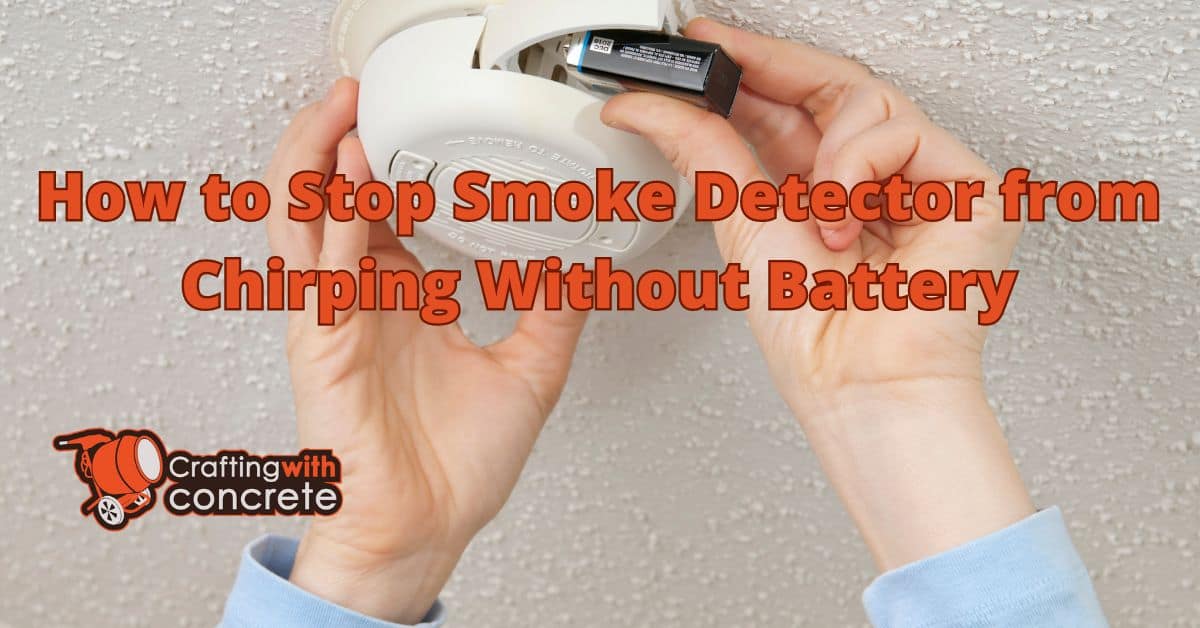
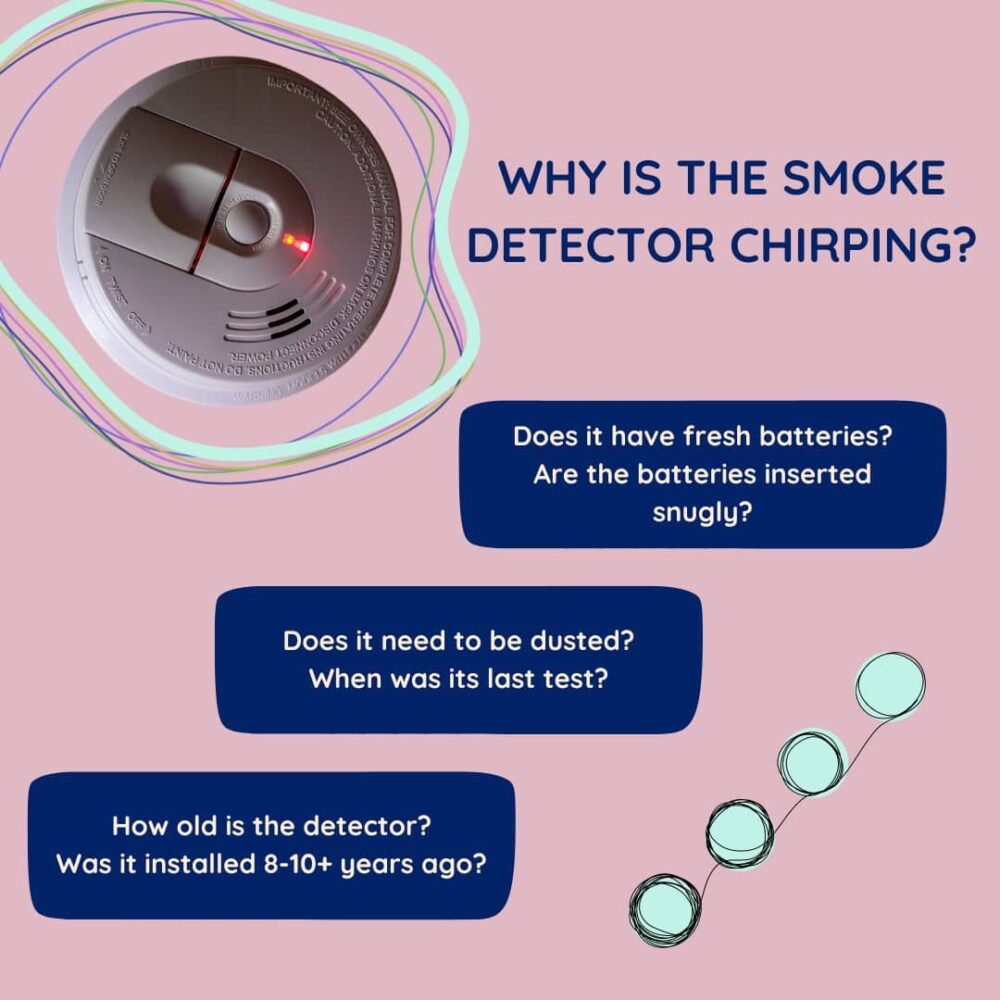
This is the classic, the most frequent culprit behind those insistent chirps. Your smoke detector isn’t just looking for smoke; it’s also keeping tabs on its own power source. When its internal battery starts to dwindle, it doesn't just quietly fade away. Oh no. It lets out a series of well-timed, often highly inconvenient, chirps to say, “Hey! I’m running low on juice here! A little help, please?”
It’s like your phone giving you that tiny, anxious vibrate when it’s at 5%, but amplified and usually much harder to silence.
The humor here often lies in when it decides to chirp. Never in the middle of a Tuesday afternoon, but always during your favorite show, a quiet dinner, or, inevitably, the deepest part of your REM cycle. It’s the device's way of reminding you it’s a vigilant protector, even if its timing is less than perfect. A fresh set of batteries, and usually, peace is restored. It’s a small price to pay for a device that literally saves lives.
Must Read
Unexpected Intruders: The Dust Bunny Disco
Sometimes, the chirp isn't about power at all, but about unexpected guests. Smoke detectors, particularly the photoelectric type, work by "seeing" smoke. They have a chamber with a light source and a sensor. When smoke enters, it scatters the light, triggering the alarm. But what if it’s not smoke?
A sneaky accumulation of dust, a tiny spider building a web, or even a minuscule insect can find its way into that chamber. When these microscopic party-crashers interrupt the light beam, your detector can get confused. It thinks, “Is that smoke? Or just… a very ambitious dust bunny?” Rather than risk missing a real fire, it often opts for a cautious chirp. A quick, gentle vacuuming or a blast of compressed air can often solve this mystery, proving that even our vigilant guardians need a good spring cleaning now and then.

Feeling the Vibe: Temperature and Humidity Swings
This one often surprises people. Smoke detectors, believe it or not, can be a bit sensitive to their environment. Sudden, drastic changes in temperature or humidity can sometimes trigger a chirp. Imagine a cold blast of air hitting a warm detector, or the steam from a very hot shower permeating the air nearby. These environmental shifts can briefly mess with the detector’s internal sensors, causing it to send out a confused, momentary plea for attention.
It’s not a malfunction; it’s more like the detector saying, “Whoa! What just happened?” before settling back down. If your detector is chirping right after you open a window on a freezing day or finish a spa-level shower, you might have found your culprit. It's a reminder that these devices are complex little machines, constantly monitoring more than just smoke.

The Faithful Farewell: End-of-Life Announcement
This is perhaps the most poignant reason for a chirp. Smoke detectors don't last forever. Most manufacturers recommend replacing them every 10 years. After a decade of faithfully standing guard, absorbing dust, sensing changes, and waiting for the moment they might be needed, their internal components can degrade, making them less reliable.
Many modern detectors are designed to give a specific "end-of-life" chirp – a different pattern from the low-battery chirp – to let you know their tenure is over. It’s their way of saying, “I’ve done my duty, I’ve kept watch for a decade. It’s time for a fresh recruit to take my place.” It’s a little like a loyal, old friend giving you a gentle nudge that their time has come, and it’s an important reminder to replace these crucial safety devices.
The Great Chirp Mystery: Is it Even Your Detector?
Sometimes, the chirp isn't coming from your smoke detector at all! It could be a nearby carbon monoxide detector (which often look very similar and are installed in similar locations) or another household device with a low battery. These "ghost chirps" can lead to frantic searches, where you change every battery in every smoke detector, only to realize the sound was emanating from a different, equally needy gadget.
This adds a dash of detective work to the whole experience. Was it the carbon monoxide alarm in the hallway? The security system's backup battery? The possibilities add a layer of playful frustration to the chirping saga, reminding us to check all the usual suspects before declaring our smoke detector the guilty party.
So, the next time your smoke detector starts its intermittent serenade, don’t just groan. Take a moment to appreciate this little hero. It’s not just an annoying sound; it’s a tiny, dedicated sentinel, trying its best to communicate something important. Whether it’s hungry for power, feeling a bit dusty, reacting to the weather, or gracefully retiring, that chirp is a reminder that it’s always on duty, keeping you and your loved ones safe. And for that, we can certainly forgive its occasional, ill-timed musical interludes.