
What Cause Carbon Monoxide Alarm To Go Off
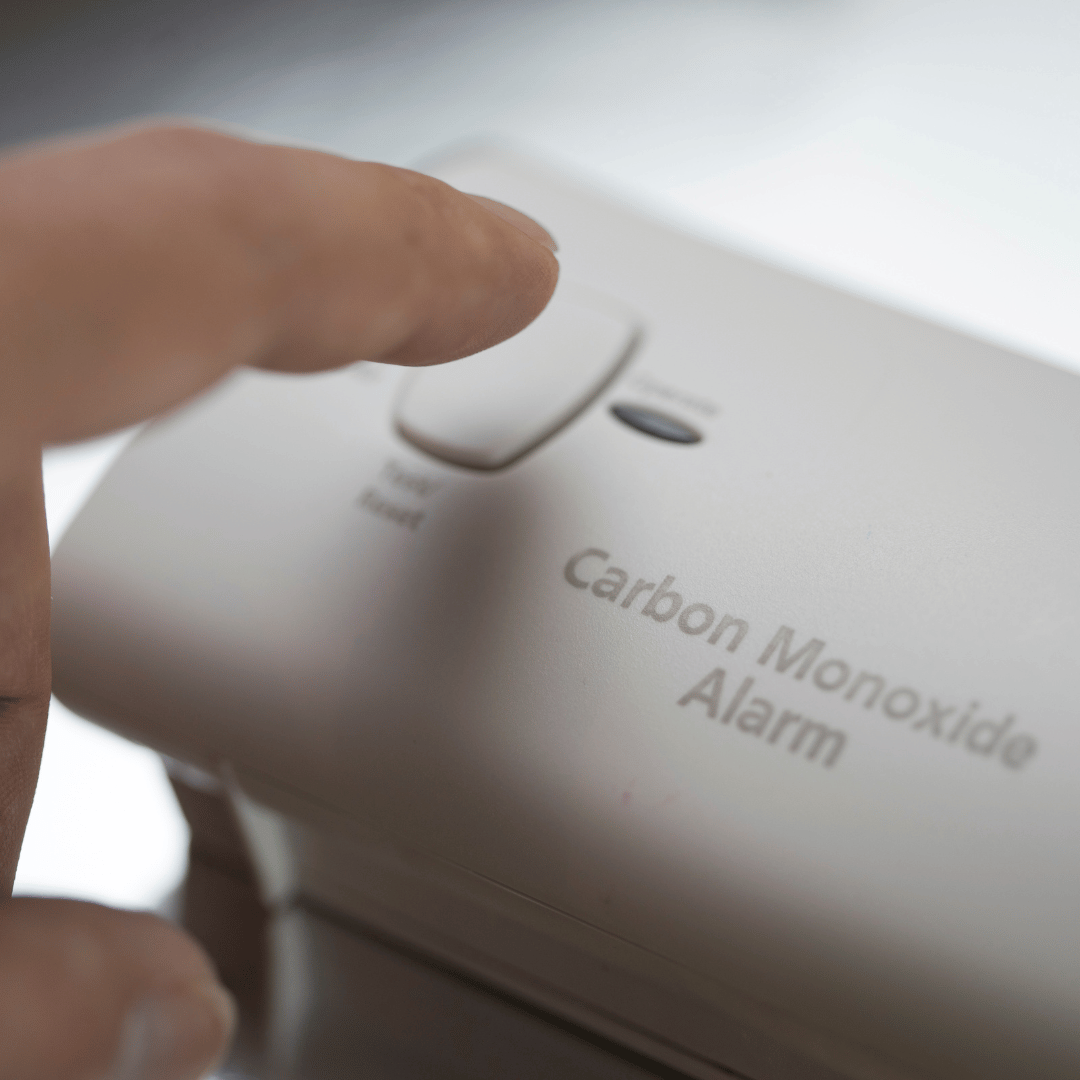
Have you ever heard that startling beep-beep-beep and wondered, "What on earth is that?" It might just be your carbon monoxide alarm trying to tell you something very important. These little gadgets are like silent guardians in our homes, always on the lookout. They protect us from a hidden danger that we can't see, smell, or taste.
Carbon monoxide, or CO, is often called the "silent killer." This gas is super tricky because it gives no warning signs to our senses. That's why having a working carbon monoxide alarm is so incredibly special. It's truly a hero doing its job quietly, until it absolutely has to speak up.
So, what makes these alarms suddenly shout? It all comes down to something called incomplete combustion. This happens when fuels like natural gas, propane, wood, or gasoline don't burn completely. When combustion isn't perfect, CO can be produced.
Must Read
Your Home's Appliances: The Usual Suspects
Many common household appliances can be sources of carbon monoxide if they're not working right. Think about your furnace or boiler. These systems keep us warm and cozy, but they need to be properly maintained. A crack in the heat exchanger or a blocked vent can release CO into your living space.
Your water heater is another important appliance to consider. Whether it runs on gas or propane, it uses a flame to heat your water. If its vent pipe gets clogged with debris or rust, exhaust gases can't escape properly. This can lead to a dangerous buildup of carbon monoxide.
What about the appliances in your kitchen? Gas stoves and ovens are wonderful for cooking delicious meals. However, they need good ventilation to operate safely. If the burner flames look yellow or orange instead of blue, it might be a sign of poor combustion.
Even a fireplace or wood stove can be a source of trouble. A blocked chimney flue or a damper that's closed too soon can trap smoke and gases. This means CO could back up into your home rather than going safely up and out. Regular chimney cleaning is a must!
Your clothes dryer might also be involved, especially if it's a gas model. A blocked dryer vent, perhaps with lint, can prevent exhaust gases from escaping. This isn't just a fire hazard; it can also cause carbon monoxide to build up in your laundry area. It's a double whammy of danger.
Unexpected Places & Common Missteps
Sometimes, the source of CO isn't even inside your house directly. For instance, using a barbecue grill indoors, even in a garage with the door open, is incredibly dangerous. Grills produce a lot of carbon monoxide and are only safe for outdoor use.
Running a car in an attached garage, even for a short time, can also be a problem. The exhaust fumes contain high levels of carbon monoxide. This gas can easily seep into your home through open doors or cracks in the walls. Always move cars outside before letting them idle.
Portable generators are lifesavers during power outages, but they are notorious for producing CO. They must always be used outdoors, far away from windows and doors. Never, ever run a generator inside your home or garage, no matter how briefly.
Sometimes, carbon monoxide can even drift in from a neighbor's property. If they have a faulty appliance or are using a generator improperly, the gas can travel. This is why having your own alarm is so important, as it acts as your personal shield.
Alarm Malfunctions & Maintenance Needs
Believe it or not, sometimes the alarm itself might be the "cause" of the sound, but not due to actual CO. If your alarm is chirping every minute or so, it might be telling you its batteries are low. This is its way of saying, "Hey, I need some juice to keep protecting you!"

Older alarms can sometimes become less reliable over time. Like any electronic device, they have a lifespan, usually around 5-7 years. An old or defective alarm might give false readings or simply stop working when you need it most. It's always a good idea to check its age.
Dust and debris can also interfere with the sensor inside the alarm. While rare, a very dusty alarm might occasionally give a false alert. Regular, gentle cleaning with a soft cloth can help keep your alarm functioning perfectly.
"An active carbon monoxide alarm isn't just a sound; it's a urgent message. It's your home's way of whispering, 'Something isn't quite right here, let's investigate!'"
When the Alarm Sings Its Warning Song
So, what exactly happens when your CO alarm detects trouble? It senses the presence of carbon monoxide in the air. Different alarms are set to go off at different concentrations and exposure times. A low level over a long period or a high level quickly will trigger it.
When that alarm sounds, it's not trying to scare you, but to save you. It's an immediate signal that you need to act. This little device is designed to be your early warning system, giving you precious time to react safely. It's like having a superhero living in your wall.
What to do if your alarm goes off:
First and foremost, don't ignore it! Take the alarm seriously, even if you don't feel sick. The invisible nature of CO means you won't necessarily have symptoms right away. It's better to be safe than sorry, always.
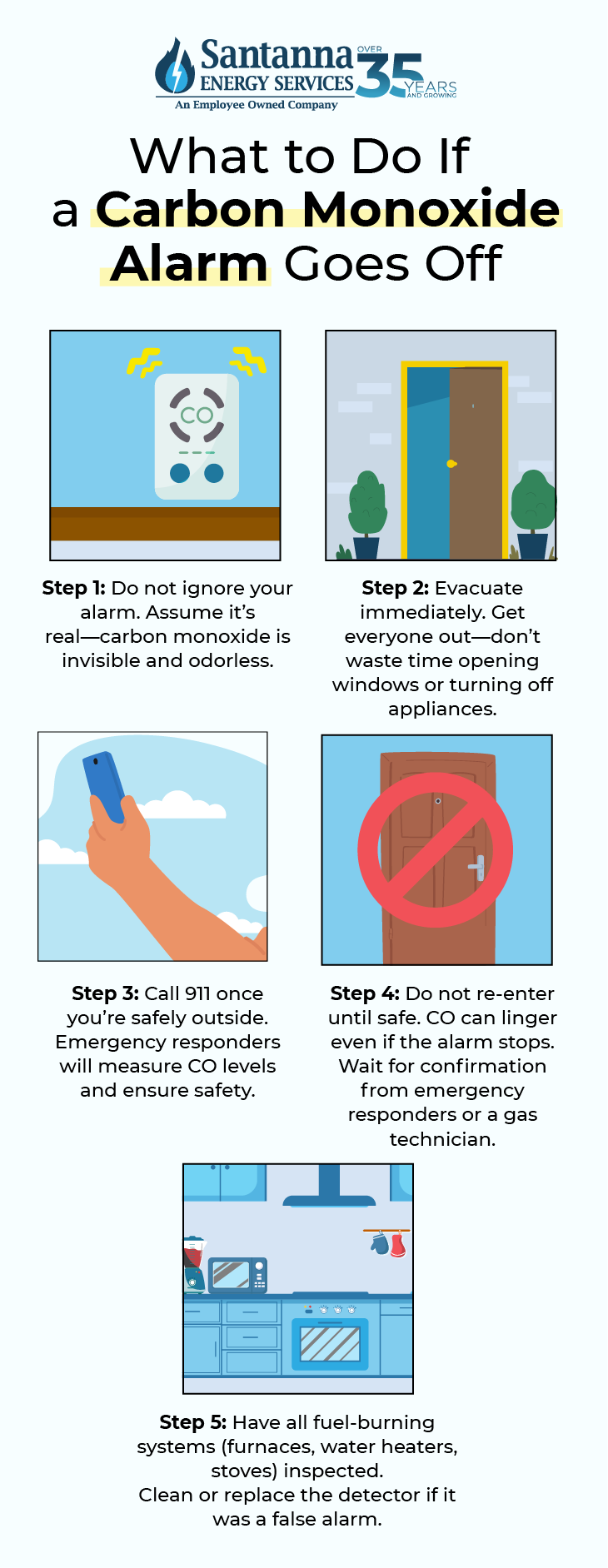
Immediate action is key. Open windows and doors to get fresh air circulating. This helps to clear out any potential carbon monoxide. Fresh air is your first line of defense.
Next, get everyone, including pets, outside into fresh air immediately. Do a quick head count to ensure everyone is safely out of the home. Never try to find the source yourself while still inside.
Once you are safely outside, call your local fire department or utility company. They have special equipment to detect carbon monoxide and can investigate the source. They are the experts who can safely assess the situation.
Do not re-enter your home until emergency responders say it's safe to do so. They will let you know when the air quality is clear. Your safety is their top priority, and it should be yours too.
Keeping Your Silent Guardian Happy
To ensure your carbon monoxide alarm remains a happy and effective guardian, regular maintenance is vital. Test your alarms monthly by pressing the "test" button. This ensures the batteries and electronic components are working.

Replace the batteries in your alarms at least once a year, or when they start chirping. A good rule of thumb is to change them when you change your clocks for daylight saving time. It's an easy way to remember.
Remember that alarms have a lifespan. Check the manufacturer's date on the back of your unit. If it's older than 5-7 years, it's time for a replacement. A new alarm offers the best protection.
Also, schedule annual professional check-ups for all your fuel-burning appliances. A qualified technician can inspect your furnace, water heater, and other units. They will make sure everything is venting properly and working safely. This is a small investment for huge peace of mind.
Good ventilation is also your friend. Always use exhaust fans when cooking with gas stoves. Make sure your dryer vent is clear of lint and blockages. Proper airflow is crucial for preventing CO buildup.
Your carbon monoxide alarm is truly a remarkable piece of technology. It might seem like a simple box on the wall, but it's constantly vigilant. It stands ready to give you an audible warning against an invisible threat, often saving lives without you ever knowing.
Understanding why these alarms go off empowers you to keep your home and family safe. So next time you see that little device, give a nod of appreciation. It's silently doing a heroic job, making your home a safer place, one breath at a time. It's definitely worth checking out your own alarms today!