What Are Wind Turbines Made Of
Ever driven past those majestic wind turbines, silently slicing through the sky, and thought, "Wow, those are pretty! And... what on Earth are they actually made of?" You're not alone. They look so serene, so effortless, just doing their spinny-whirly thing, generating clean energy. But peel back that sleek, eco-friendly exterior, and you'll find they're a fascinating mash-up of incredibly clever engineering, a dash of industrial-grade elbow grease, and perhaps a sprinkle of pure magic (unconfirmed, but highly suspected).
Turns out, they're not just carved from gigantic pieces of hopeful plastic, much to my initial disappointment. Let's break down these silent giants, piece by gloriously engineered piece, like we're dissecting a very large, very important croissant at this café.
The Blades: Spinning Superheroes (or Giant Propeller Hats)
These aren't your average paper airplanes, folks. These are the showstoppers, the graceful dancers that catch the wind. You might think they're metal, right? Wrong! Mostly, they're made of something called fiberglass, often mixed with other high-tech materials like carbon fiber. Think of fiberglass as a super-strong, super-light plastic, reinforced with incredibly fine glass fibers. It’s the same stuff they make boats and some airplane parts out of, so it’s tough, but surprisingly flexible.
Must Read
Imagine trying to make a paper airplane that’s over 200 feet long (that’s longer than a Boeing 747 wing, by the way!) and still expect it to fly gracefully. That's the challenge. These blades are meticulously crafted, layer upon layer, often by hand. They’re hollow inside, much like a bird’s bone, to keep them light while still being incredibly strong. They can even bend several meters in strong winds without snapping, like a graceful gymnast doing extreme yoga. It's truly a marvel of aerodynamic design – no accidental helicopter impersonations here!
The Nacelle: The Brains in the Box (and a bit of a Gym)
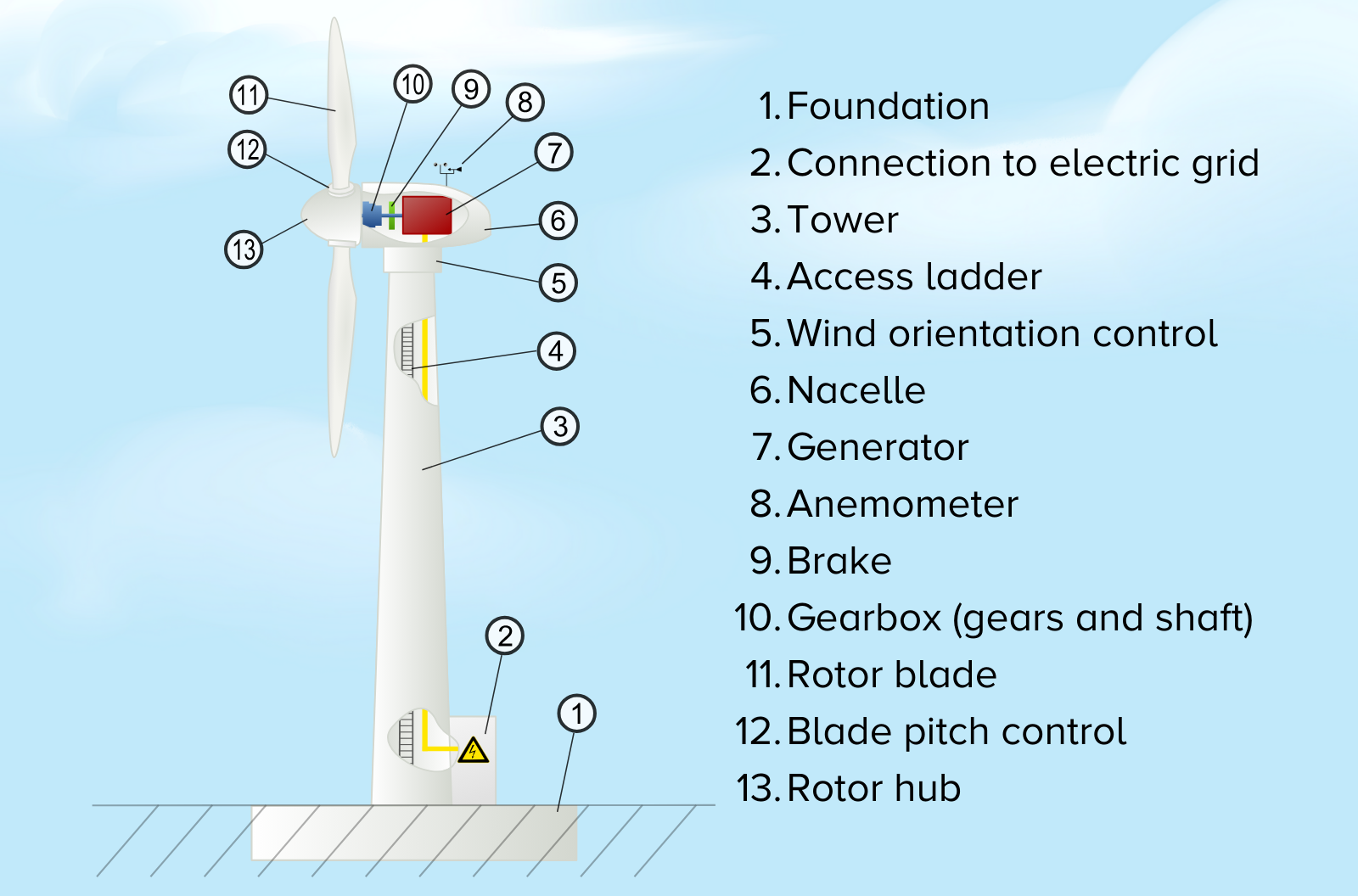
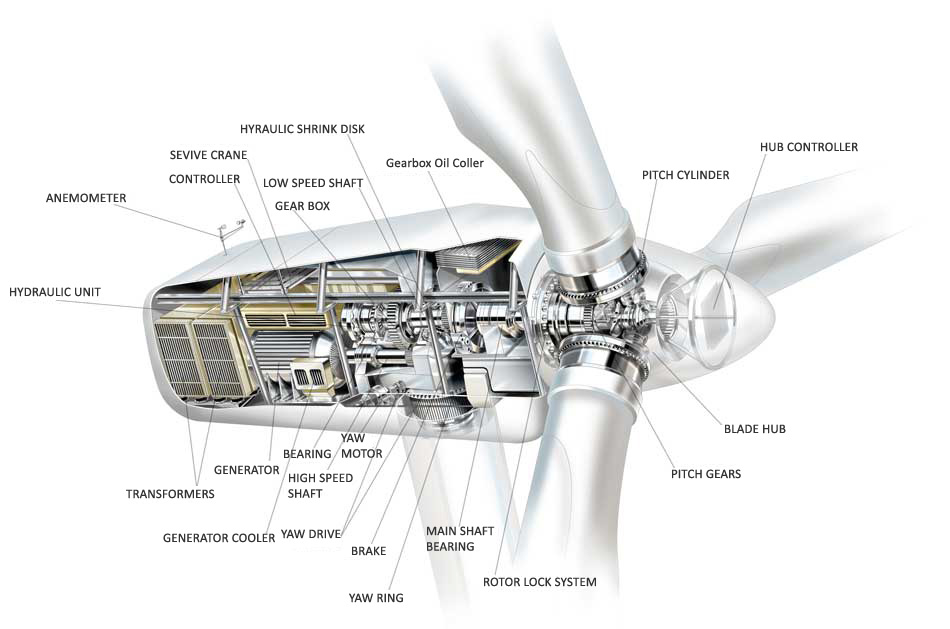
See that big box perched at the very top of the tower, right behind the blades? That, my friends, is the nacelle. It looks like a cozy little house, but it’s actually the bustling command center and engine room of the entire operation. If the blades are the muscles, the nacelle is the brain and heart.

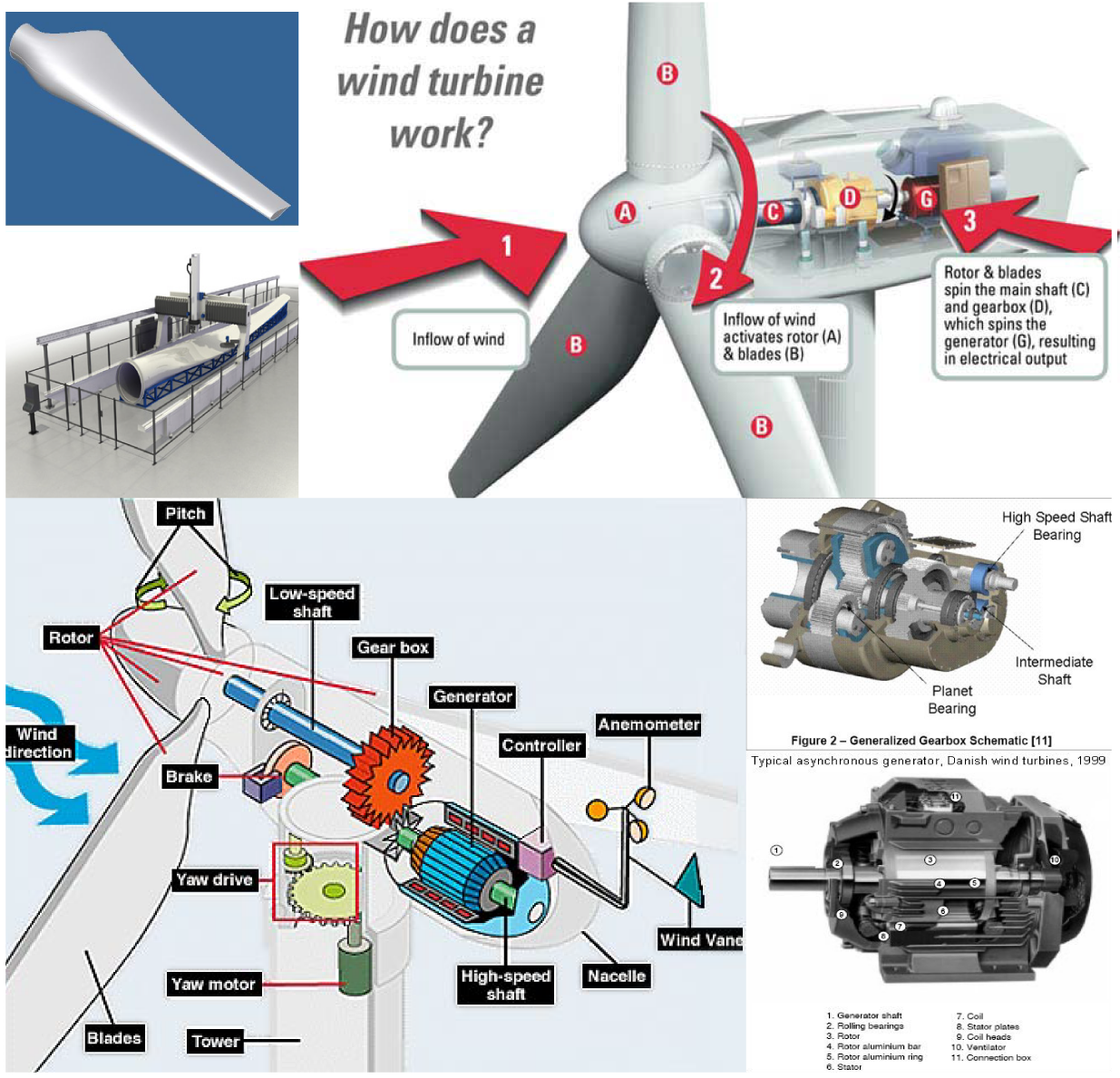
Inside this very fancy shed, you’ll find the real action. The star of the show is the generator, which is basically a super-sized version of the dynamo that lights up your bike. It takes all that rotational energy from the spinning blades and converts it into glorious electricity. Pretty neat, huh? Next to it, you'll often find a massive gearbox (though some modern turbines are "direct drive" and skip this bit). This gearbox acts like the gears on your bike, but for giants, speeding up the relatively slow spin of the blades to turn the generator at the right speed.
But wait, there's more! The nacelle also houses sophisticated control systems and computers that constantly monitor wind speed, adjust the angle of the blades (that’s called pitching), and even turn the entire nacelle to face the wind (that's yawing). It’s like a super-smart robot constantly making sure everything runs smoothly, without breaking a sweat (or a blade).

The Tower: The Unsung Pillar of Power (and Vertigo)
What holds all this impressive tech up there, hundreds of feet in the air? The tower, of course! These aren't just glorified flagpoles; they are structural marvels designed to withstand incredible forces. Most wind turbine towers are made from super-strong steel, crafted in sections and then bolted together on site. Imagine a giant Lego tower, but with much, much more serious consequences if you don't follow the instructions.
Sometimes, especially for truly colossal turbines, they might incorporate concrete too, in what are called hybrid towers. These towers are often so tall that they have internal ladders or even small lifts inside, just for maintenance workers. (Definitely not for those who skipped leg day or are prone to extreme cases of "oh-my-gosh-I'm-so-high-up"). It’s built to withstand a serious huff and a puff, and probably a few rogue dragons too, just in case.
The Foundation: The Deep Secret (literally)
Finally, we come to the unsung hero, the part you never see, but without which the whole glorious enterprise would just... fall over. The foundation. Buried deep underground, this is what anchors these towering structures firmly to the earth. It's a colossal block of reinforced concrete, often packed with tons of steel rebar (those trusty steel reinforcement bars).
These foundations are seriously massive. We're talking about enough concrete to build a small town's worth of driveways, poured into a huge hole. It provides the necessary weight and stability to counteract the immense forces of wind pushing against the blades and tower. Without this deep, hidden anchor, our graceful giants would be doing the limbo in the next gust of wind. And for offshore wind turbines? Their foundations are even wilder, often giant monopiles drilled into the seabed or intricate jacket structures that look like underwater oil rigs.
So, the next time you spot one of these incredible wind turbines gracefully turning in the breeze, take a moment to appreciate the sheer ingenuity behind it. It’s not just a big fan; it’s a symphony of fiberglass, steel, concrete, and cutting-edge electronics, all working together to power our world. Pretty cool, right? More than just pretty faces, eh?