What Are The Winds Of A Category 2 Hurricane
Okay, picture this: You’re chilling on a beach, maybe sipping a coconut (virgin, of course, because responsible beachgoers!), when suddenly, the weather forecast takes a turn. Forget those gentle sea breezes – we're talking hurricane territory. Specifically, a Category 2. What does that even mean for the wind? Let’s break it down in a way that’s easier to swallow than a mouthful of salty seawater.
Decoding the Category 2 Wind Speeds
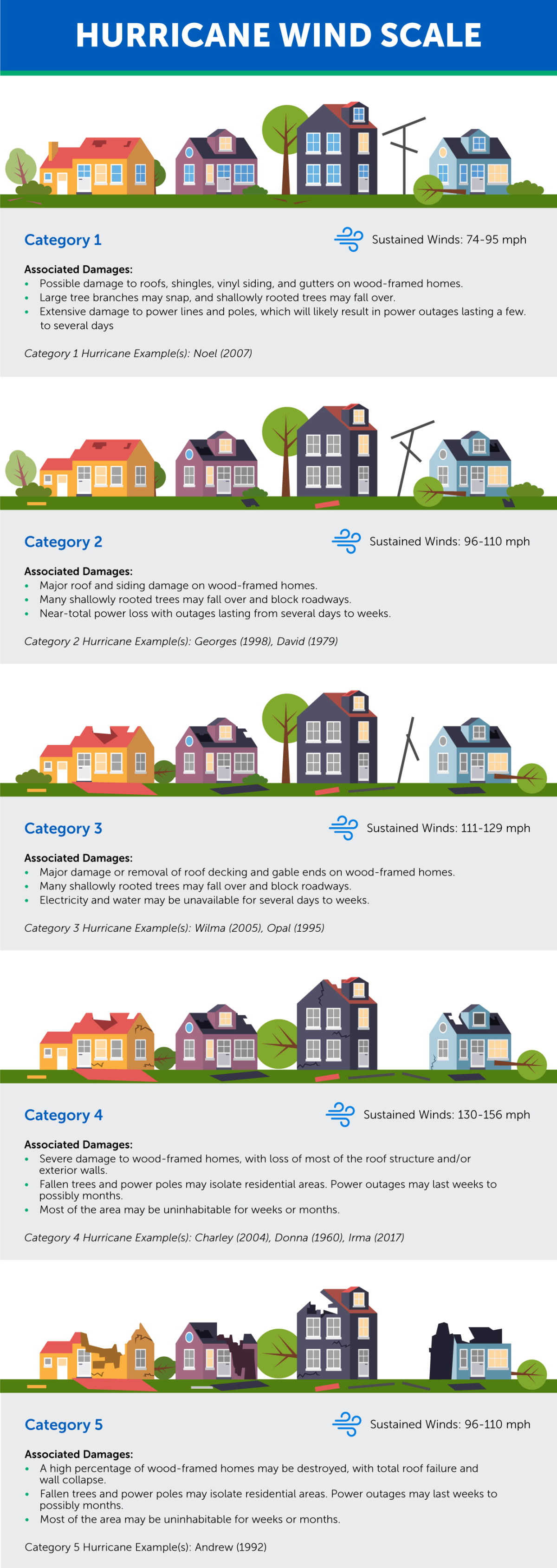
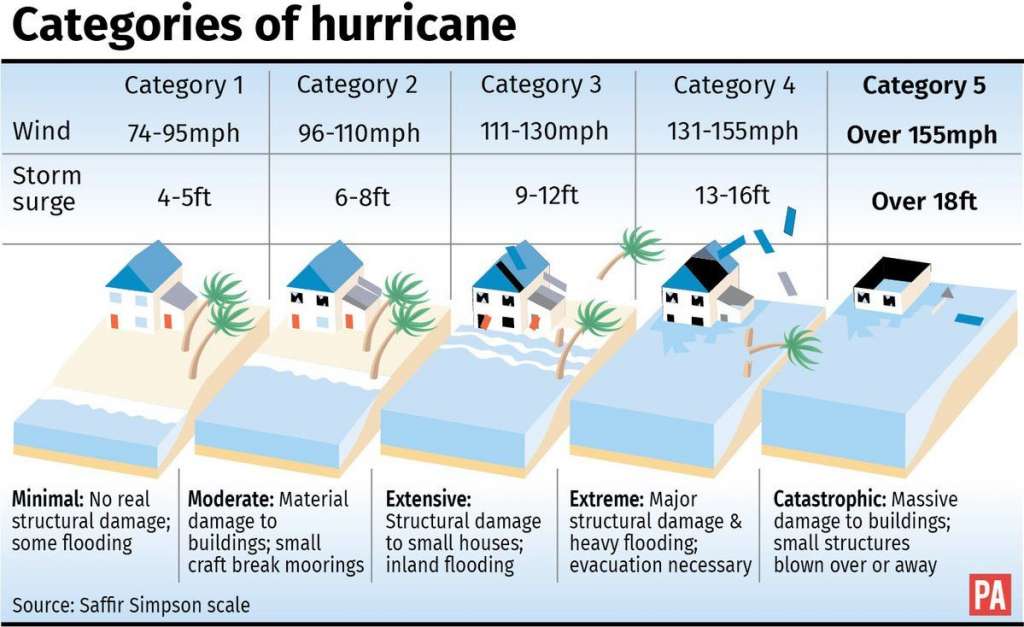
The Saffir-Simpson Hurricane Wind Scale is our guide here. Forget confusing scientific jargon; think of it as a handy cheat sheet for understanding the raw power of a hurricane. A Category 2 hurricane packs sustained winds ranging from 96 to 110 miles per hour (154 to 177 kilometers per hour). That's not just a little breezy; it's serious business.
To put that in perspective, imagine a Formula 1 race car – those things can hit similar speeds! Except, instead of sleek aerodynamics, we’re talking about a relentless, churning wall of wind and rain. Not quite as glamorous, right?
Must Read
Impact: What Can These Winds Actually Do?
So, what's the practical impact of these winds? We're moving beyond just losing your beach umbrella, that's for sure.

- Damage to Homes: Category 2 winds can tear off roofing material, damage siding, and even snap trees like twigs. Think partially uprooted trees blocking roads and debris flying through the air.
- Power Outages: With winds this strong, downed power lines are almost a given. Expect widespread outages that could last for days, maybe even weeks. Time to dust off that old board game collection!
- Flooding: While wind is the primary measure of the Saffir-Simpson scale, hurricanes are often accompanied by torrential rain and storm surge. Combine these with the high winds, and you're looking at a recipe for serious flooding.
Staying Safe: Practical Tips for a Category 2
Knowing what to expect is half the battle. Here's your survival guide, distilled into actionable steps:
- Heed Evacuation Orders: This is non-negotiable. If authorities tell you to leave, leave. Don't be a hero. Your life is worth more than your house.
- Secure Your Home: Board up windows with plywood or hurricane shutters. Bring in outdoor furniture, potted plants – anything that could become a projectile.
- Stock Up on Supplies: Think non-perishable food, water (at least one gallon per person per day for several days), medications, a first-aid kit, a flashlight, and extra batteries. Don't forget the pet food!
- Stay Informed: Monitor weather updates from reliable sources like the National Hurricane Center. Knowledge is power.
- Find Shelter: If you can't evacuate, find a safe room in your home – ideally an interior room on the lowest level, away from windows.
A Little Cultural Context: Hurricanes in Pop Culture
Hurricanes have been a part of human storytelling for centuries. From epic poems to Hollywood blockbusters, the sheer power of these storms has captured our imagination. Remember the dramatic storm scenes in "The Perfect Storm" or the devastation depicted in documentaries about Hurricane Katrina? These stories, while sometimes fictionalized, remind us of the very real consequences of these natural disasters.

Wind Fun Facts: More Than Just a Breeze
Did you know that wind is essentially just air moving from high-pressure areas to low-pressure areas? The greater the difference in pressure, the stronger the wind. Also, the Beaufort scale, developed in the early 19th century, was one of the first attempts to measure wind speed based on observation, long before we had fancy anemometers. It started by observing the effects of wind on sailing ships – a far cry from today's sophisticated weather forecasting!
Reflecting on the Force of Nature
Ultimately, understanding the winds of a Category 2 hurricane is about more than just memorizing numbers. It’s about appreciating the raw power of nature and taking proactive steps to protect ourselves and our communities. While we might not face hurricane-force winds every day, the principles of preparedness – staying informed, securing our surroundings, and looking out for our neighbors – are valuable lessons that can be applied to all aspects of life. After all, a little planning can go a long way, whether you're facing a hurricane or just a particularly hectic Tuesday.
![Hurricane Categories [+ Free Prep Checklist] - AlertMedia](https://www.alertmedia.com/wp-content/uploads/2020/05/Blog-HurricaneCategories-inline-Cat2-963x1024.png)