What Are The Most Energy Efficient Light Bulbs
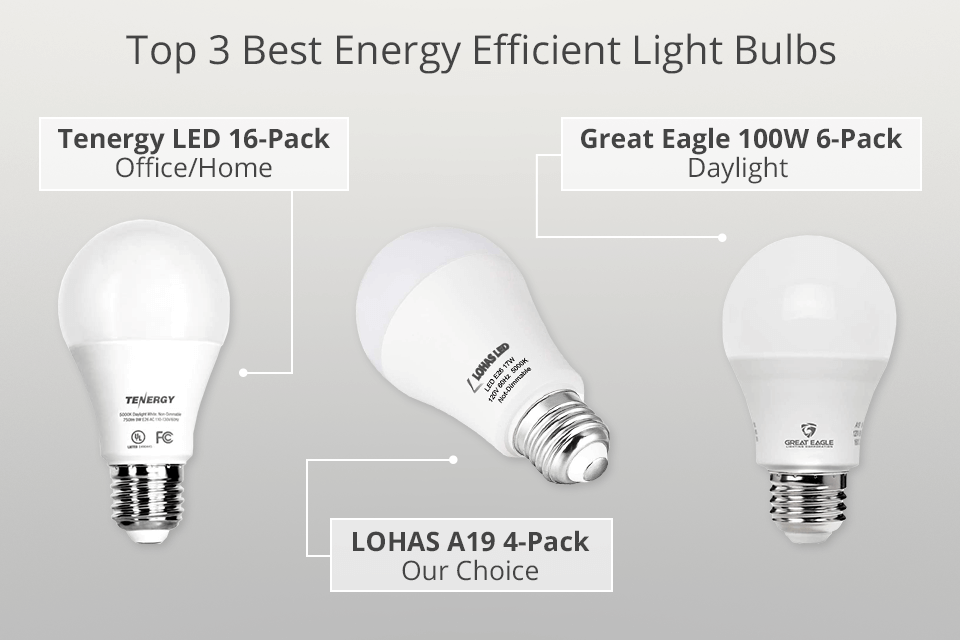
Let's face it, we all love a well-lit space. Whether it's the warm glow of a bedside lamp inviting us to curl up with a good book, or the bright, energizing light of a kitchen illuminating our culinary creations, lighting plays a vital role in setting the mood and making our homes functional. But what if we could achieve that perfect ambiance while also saving money and helping the environment? Enter the world of energy-efficient light bulbs!
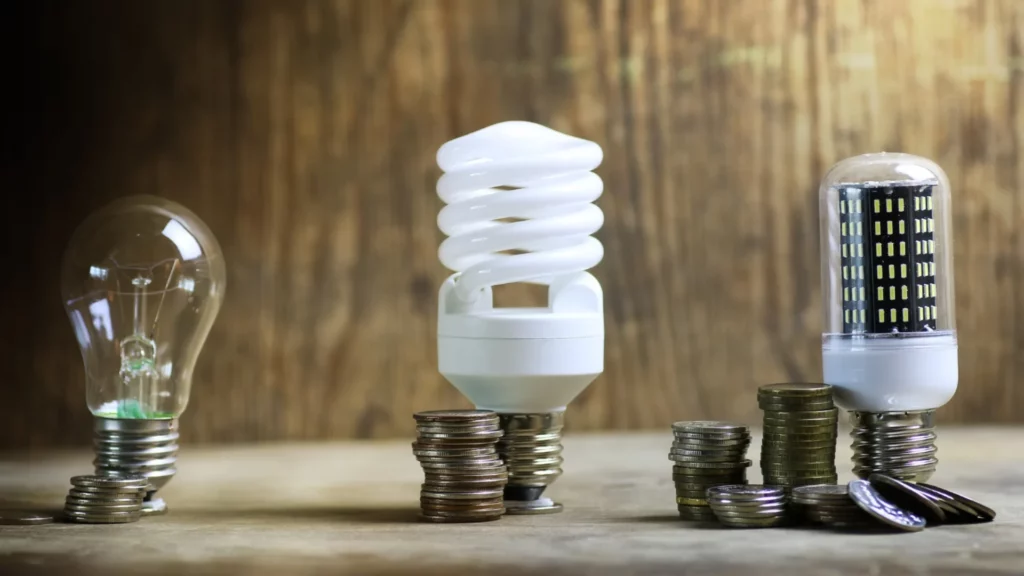
The benefits of using energy-efficient light bulbs are numerous. The primary purpose is, quite simply, to reduce energy consumption. Traditional incandescent bulbs are notorious energy hogs, converting a mere fraction of the electricity they use into actual light. The rest is lost as heat! Energy-efficient alternatives, on the other hand, are designed to produce the same amount of light while using significantly less power. This translates to lower electricity bills, which is a win for your wallet. Beyond the financial savings, using less energy means reducing your carbon footprint, contributing to a more sustainable future. It’s a small change that can make a big difference!
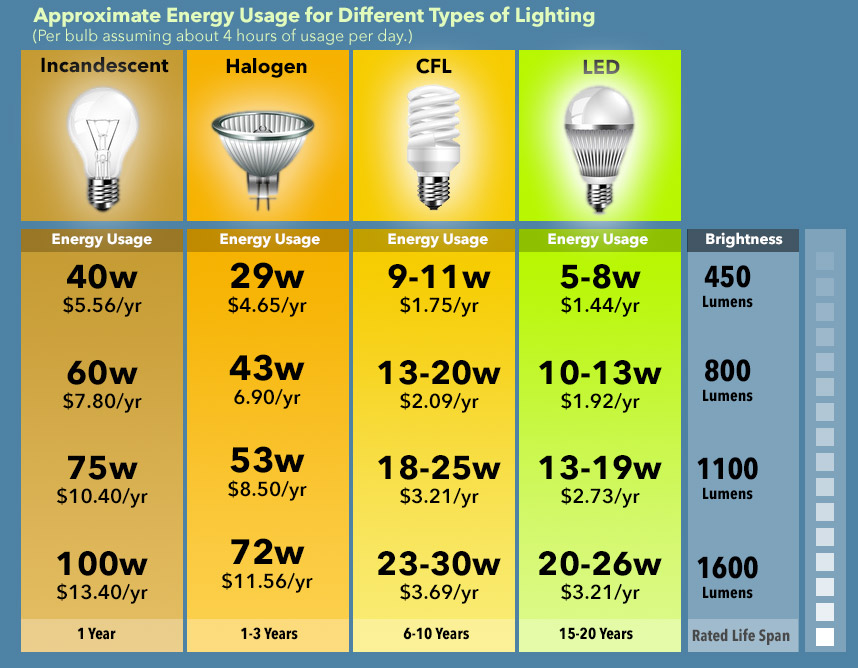
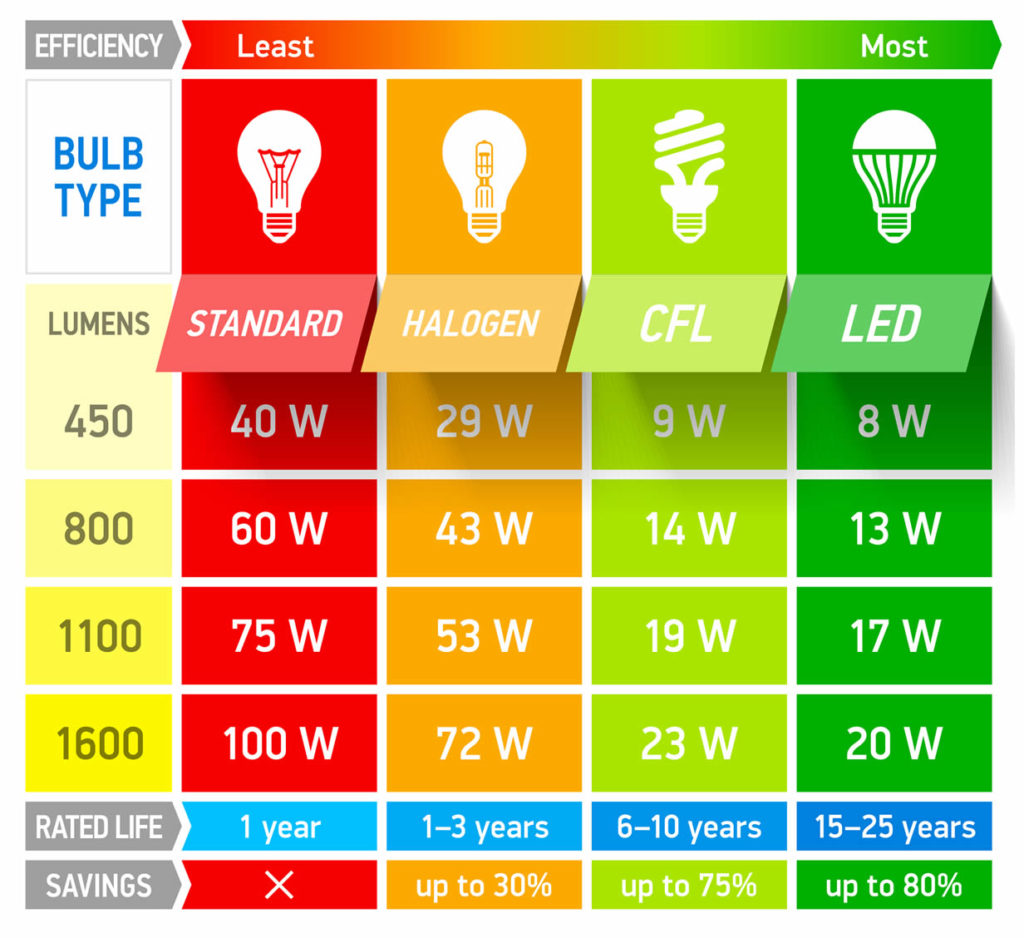
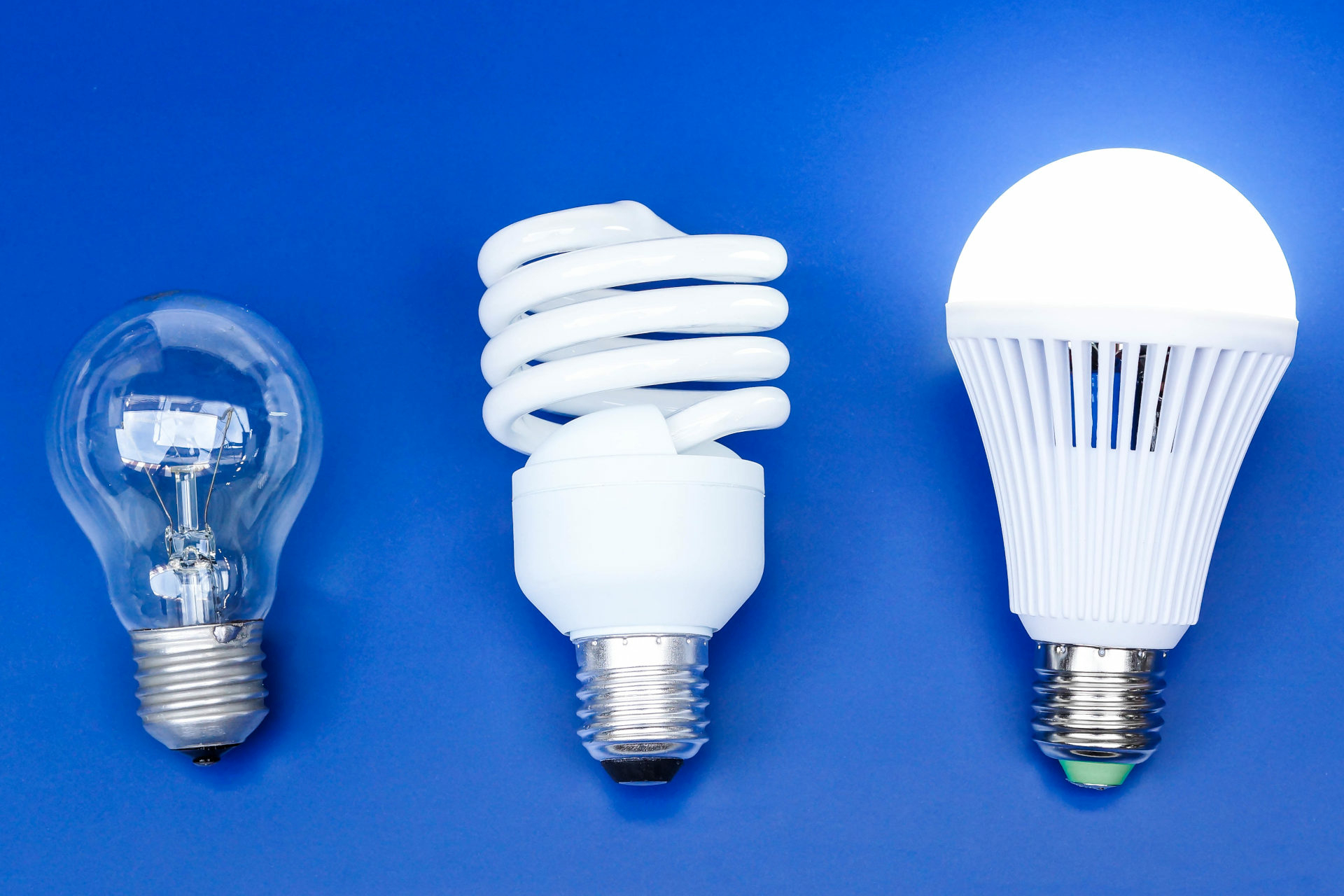
When it comes to energy-efficient light bulbs, you'll likely encounter a few common types. LEDs (Light Emitting Diodes) are currently the shining stars. They are incredibly energy-efficient, long-lasting (think years, not months!), and available in a wide range of colors and brightness levels. You'll find them in everything from recessed lighting to decorative string lights. CFLs (Compact Fluorescent Lamps) were a popular option for a while, known for their energy savings compared to incandescent bulbs. While still available, they contain a small amount of mercury and are gradually being phased out in favor of LEDs. You might still see them in older fixtures. Halogen bulbs are another type, although they are less efficient than LEDs or CFLs. They offer a brighter, whiter light that some people prefer, but they also use more energy than their more efficient counterparts.
Must Read
So, how can you make the most of energy-efficient lighting? Here are a few practical tips:
- Choose the right bulb for the job: Consider the purpose of the light. A bright, cool-toned bulb might be perfect for a home office, while a warmer, softer light is more suitable for a bedroom.
- Look for the Energy Star label: Products with this label meet strict energy efficiency guidelines set by the EPA, ensuring you're getting a truly energy-saving product.
- Consider the lumen output: Lumens measure the brightness of a bulb. Don't focus solely on wattage. Choose the lumen output that best suits your needs.
- Take advantage of dimmers: Installing dimmer switches allows you to adjust the brightness of your lights, saving energy and creating a more relaxing ambiance.
- Don’t forget about outdoor lighting: Switch to LED outdoor lighting for your porch, patio, and garden. These bulbs are durable, weather-resistant, and energy-efficient.
- Proper disposal: If you're replacing CFLs, be sure to dispose of them properly at a designated recycling center due to the mercury content. LEDs can generally be disposed of with regular waste, but check your local regulations.
Switching to energy-efficient light bulbs is a simple, yet powerful way to save money, reduce your environmental impact, and enhance the comfort and functionality of your home. By choosing the right bulbs and implementing a few smart lighting habits, you can enjoy a brighter future, both literally and figuratively! The initial investment in energy-efficient bulbs pays for itself over time, making it a truly bright idea.