What Are The Expiration Dates On Car Seats
Ever found yourself staring at an item in your fridge, wondering, "Does this really expire?" We've all been there! Well, believe it or not, our trusty car seats have an expiration date too, and understanding why is not just useful, but absolutely crucial for keeping our little ones safe. It might sound like a minor detail, but for parents and caregivers, knowing about car seat expiration dates brings a huge dose of peace of mind. It’s a topic that sparks conversation in parent groups and makes headlines for a good reason – it’s all about protecting our most precious cargo.
So, what’s the big deal with these dates? For new parents or those expecting, learning about car seat expiration is foundational. It guides your first purchase, helps you understand the commitment to safety, and ensures you start off on the right foot. For established families who might be reusing seats for subsequent children or considering hand-me-downs, this knowledge is invaluable. It helps you assess if an existing seat is still fit for purpose, saving you from a potentially unsafe situation and guiding future purchasing decisions. Even for those who simply want to be as informed as possible about child safety, understanding these dates empowers you to make the best choices and even advise friends and family, making you a true safety champion!
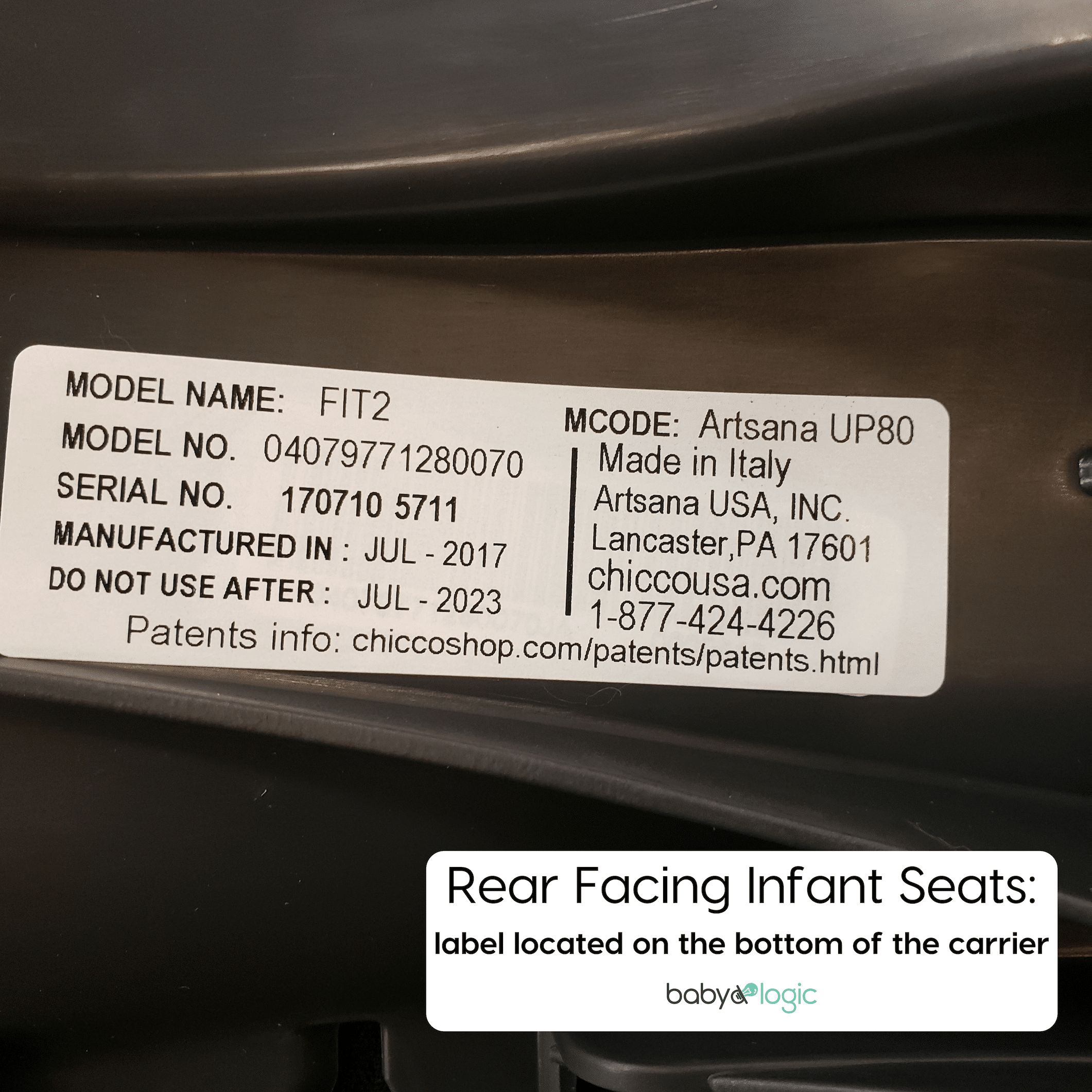
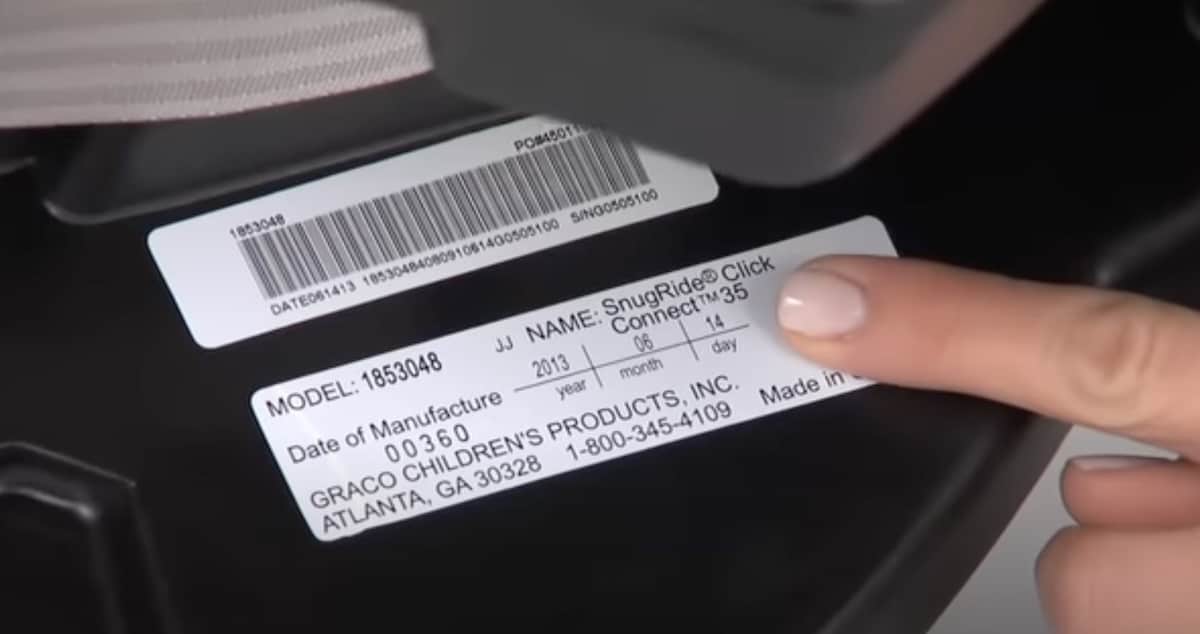
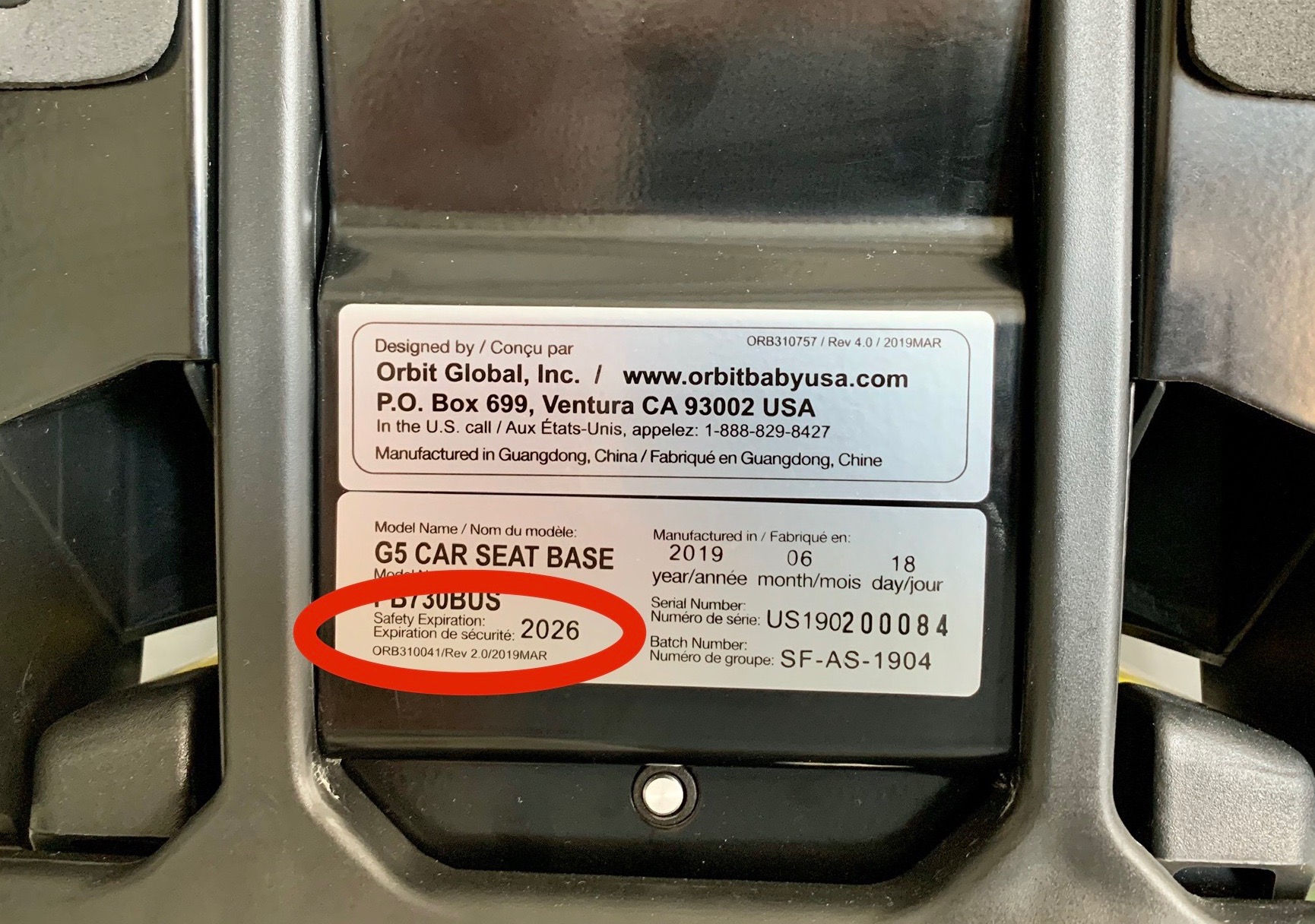
You might be asking, "Why do car seats expire anyway?" It's not just a clever marketing ploy! Car seats are made of plastics that can degrade over time due to temperature fluctuations in your car, sun exposure, and daily wear and tear. These materials can become brittle and less effective in an impact. Also, safety standards are constantly evolving. What was state-of-the-art ten years ago might not meet today's rigorous tests. Different types of seats—infant carriers, convertible seats, and booster seats—all have these dates. You'll usually find the expiration date or the date of manufacture (from which the expiration is calculated, typically 6-10 years later) on a sticker located on the back, bottom, or side of the seat. It’s often molded into the plastic too. Remember, even a seat that looks perfectly fine can be compromised if it's past its prime.
Must Read
Ready to check your seat? Here are some simple, practical tips to get started. First, always locate the label on your car seat. It will clearly state the date of manufacture and often the expiration date. If it only lists the manufacture date, consult your car seat's manual (or the manufacturer's website) to find out how many years from that date the seat is good for. Second, never use an expired car seat. It might be tempting to save money, but it's just not worth the risk. Third, consider registering your car seat with the manufacturer. This way, you’ll be directly notified of any recalls or important safety updates. Finally, if you discover your seat is expired, don't just toss it on the curb. Many communities have car seat recycling programs, or you can cut the straps and write "EXPIRED" on it before disposal to prevent someone else from picking it up and using it unsafely.
Discovering your car seat's expiration date isn't just a chore; it's an empowering act of love and responsibility. Knowing that you've taken every step to ensure your child's safety provides an incredible sense of relief and confidence. So go ahead, check that label, learn something new, and enjoy the peace of mind that comes with being a well-informed parent!