
What Are The Disadvantages Of Using Wind Energy
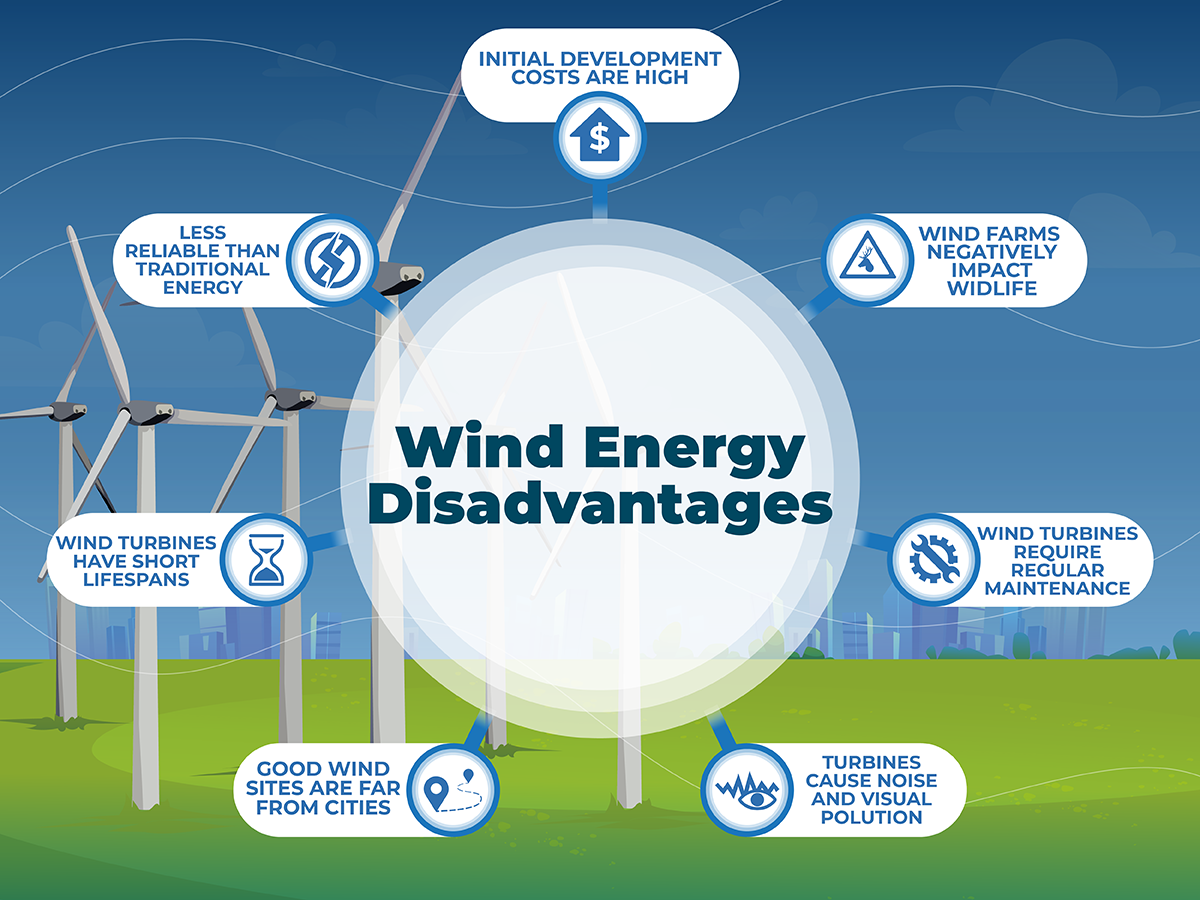
Hey, ever looked up at those massive wind turbines and thought, "Whoa, future!"? They're pretty cool, right? But, like everything, wind energy isn't all sunshine and... well, wind. Let's talk about the downsides, because even saving the planet has its quirky challenges.
Location, Location, Location!
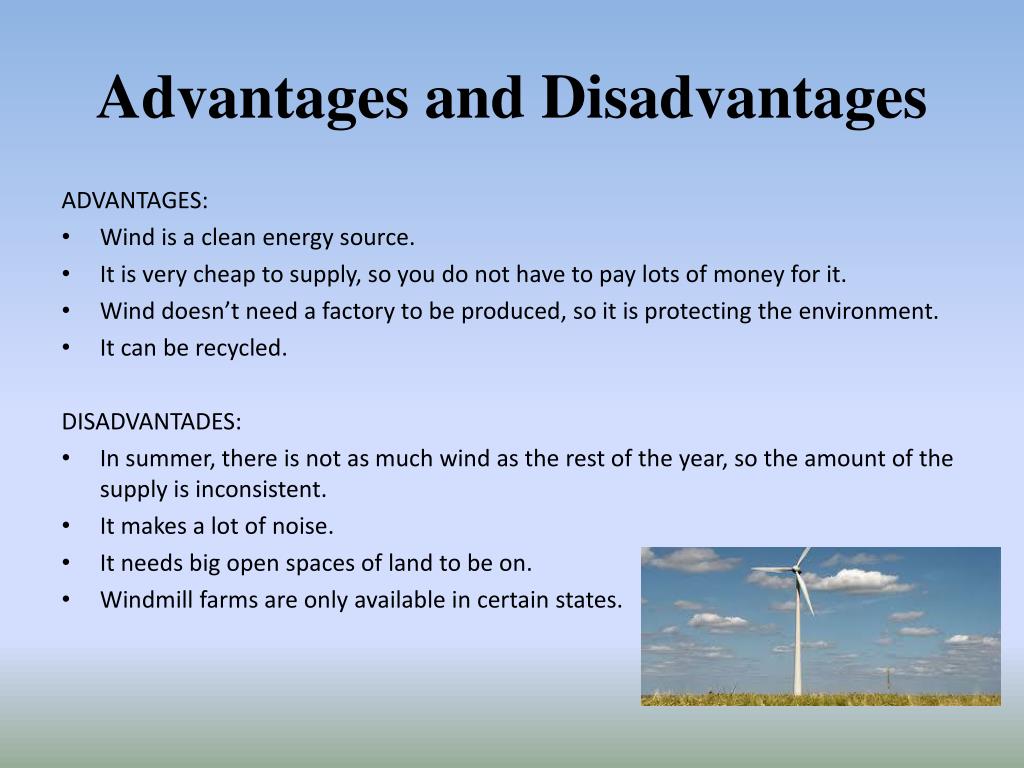
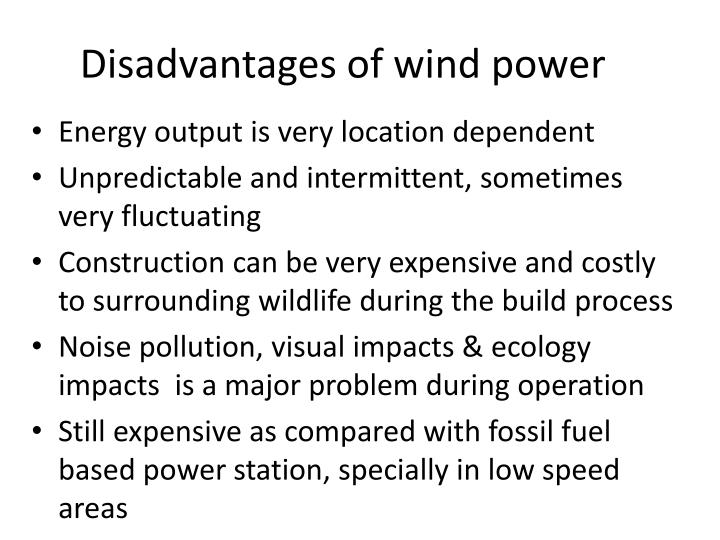
First up: land! Wind farms need space. Like, a lot of space. We're talking potentially acres and acres. Imagine trying to find a good spot in, say, Manhattan. Not gonna happen! They generally need wide open areas.
Think about it: you need consistent, strong winds. Prime real estate for wind? Often rural areas. That can mean building transmission lines to get the power to where people actually need it. $$$!
Must Read
And speaking of rural, nobody wants a wind turbine blocking their mountain view. Nimbyism (Not In My Backyard) is a real thing. People love clean energy in theory, but maybe not quite so much when it's towering over their prized petunias.
Nature's Mood Swings (and Wind's, Too!)
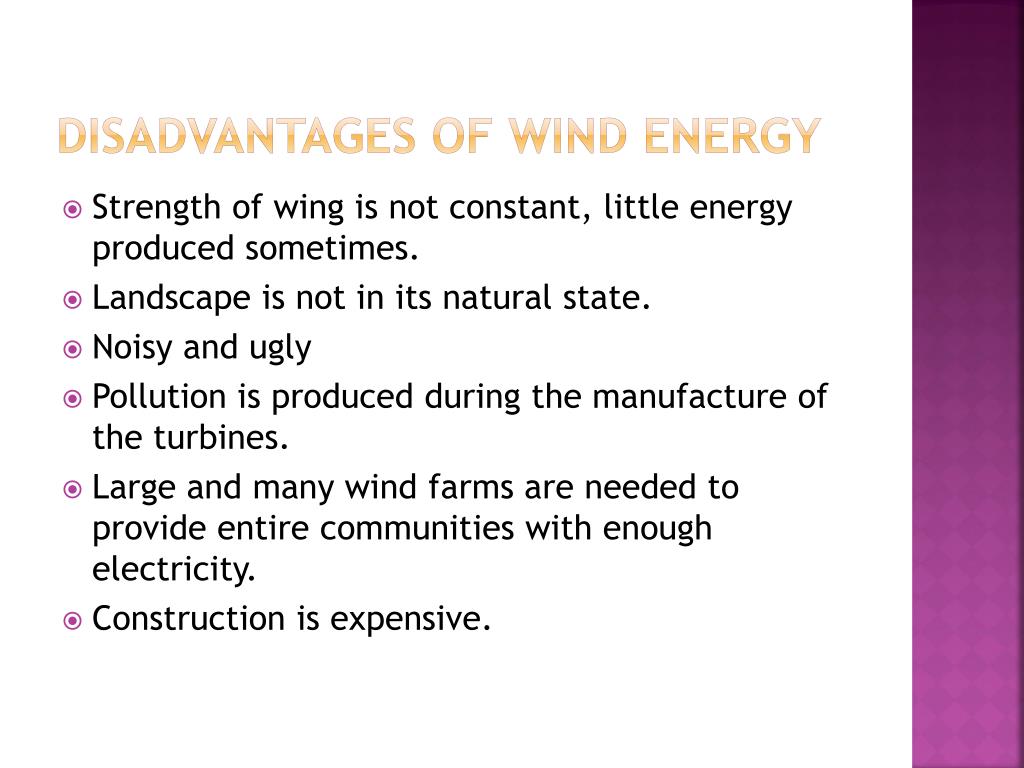
Wind is unpredictable. One minute it's blowing like crazy, the next, it's calmer than a cucumber in a spa. This intermittency is a big problem.
You can't just tell a power plant, "Hey, wind's not blowing today, everyone gets to go home early!" We need consistent energy. So, what do you do when the wind takes a vacation? You need backup power sources – like natural gas or coal plants – ready to fire up at a moment's notice. Kind of defeats the whole purpose, huh?
The Cost Factor
While wind energy has gotten cheaper, building and maintaining those turbines still ain't cheap. We're talking about massive engineering projects, custom-built components, and specialized technicians to keep everything running smoothly. It's a significant initial investment.
And then there's the lifespan of a turbine. They don't last forever. After a couple of decades, they need to be replaced. That's more money, more resources, and the question of what to do with the old turbines. Giant wind turbine graveyards, anyone?
Birds, Bats, and Blades (Oh My!)
Okay, let's talk about the wildlife. Those spinning blades aren't exactly bird-friendly. Or bat-friendly, for that matter. It's a sad but true fact that wind turbines can be a hazard to flying critters.
Scientists are working on ways to mitigate this, like using radar to detect birds and slow down the turbines, or painting the blades black (apparently, that helps!). But it's an ongoing challenge.
Fun fact: Some researchers are even experimenting with ultrasound to deter bats from flying near turbines. Imagine a bat rave going wrong. Poor guys!
The Noise Factor
Wind turbines aren't silent. They make a whooshing sound as the blades slice through the air. It's not deafening, but it can be annoying, especially if you live close by. Some people describe it as a low-frequency hum that can drive you a little batty (pun intended).
Think about it: would you want to fall asleep to the sound of a giant fan all night long? Probably not. Especially if that fan is attached to a 300-foot tall tower.
Visual Pollution
Alright, let's be honest: wind turbines aren't exactly the Mona Lisa. Some people find them beautiful, others find them to be eyesores. Imagine a pristine, natural landscape suddenly dotted with these giant white structures. It can be a bit jarring.
And because they need to be in windy areas, they are often placed on ridges or hills where they are very visible. It’s all about striking a balance between clean energy and preserving the natural beauty of our world. It’s a tough act to follow.

The Bottom Line?
Wind energy has drawbacks. There's no denying that. But it's also a crucial part of our renewable energy future. It's all about weighing the pros and cons and finding the best solutions for our planet.
We need to keep innovating, improving the technology, and finding ways to minimize the negative impacts. After all, a little bit of inconvenience is better than a planet that’s unlivable, right?
So, next time you see a wind turbine, remember it's not just a giant fan. It's a symbol of our efforts to create a cleaner, greener future...with a few quirky challenges along the way!