
What Are The Benefits Of Daylight Savings Time
Ah, Daylight Saving Time. That annual ritual that often starts with a collective groan as we "lose" an hour of sleep. But what if we told you there’s a sunnier side to this time-honored tradition? Beyond the initial caffeine boost needed to adjust, DST actually brings a bounty of benefits, wrapping us in extra daylight and inviting us to truly savor the seasons. Let's flip the script and uncover why springing forward might just be one of life's little joys.
Hello, Longer Evenings!
This is arguably the most celebrated perk. When the clocks jump forward, we're suddenly gifted with an extra hour of daylight at the end of the day. Imagine leaving work or school and still having glorious sunshine stretching out before you. It's an instant mood lifter, isn't it?
This extended evening light creates a fantastic opportunity to reclaim your evenings. Instead of heading straight indoors as dusk settles, you can linger outside. Think: impromptu walks in the park, an extra round of catch with the kids, or simply enjoying a cup of tea on your patio as the sun slowly dips below the horizon. It’s like the universe is giving you a gentle nudge to get out and play a little longer.
Must Read
Practical Tip: Make it a habit! Schedule a 30-minute post-dinner stroll. You'll be amazed at how much more refreshed you feel.
A Boost for Your Mood and Well-being
More sunlight isn't just about visibility; it's about vitality! Exposure to natural light has a profound impact on our mental and physical health. It helps regulate our circadian rhythm, which in turn can improve sleep quality (after the initial adjustment, of course!). Plus, that sunshine helps our bodies produce Vitamin D, essential for bone health and a natural mood enhancer.
For many, longer daylight hours in the evening can help stave off the dreaded "winter blues" or mild seasonal affective disorder (SAD). It feels like an extended invitation to embrace the outdoors, reducing screen time and increasing engagement with the real world.

Fun Fact: Germany was the first country to implement Daylight Saving Time in 1916 during World War I, primarily to save energy.
Encouraging Outdoor Activity
With more daylight extending into the evening, there's a natural inclination to be more active. Those after-work gym sessions feel less like a chore when you can still see the sky, and evening jogs become a pleasant way to unwind rather than a dash against the encroaching darkness.
DST opens up possibilities for a host of activities that might feel rushed or unsafe in dimmer conditions. Think gardening, cycling, playing outdoor sports, or even just dining al fresco. It's a subtle but powerful nudge towards a healthier, more active lifestyle, and it’s especially beneficial for kids who often thrive on more outdoor play.
Cultural Nod: Just like the Europeans embrace their "aperitivo" culture late into the evening during summer, DST allows us to adopt a similar leisurely pace, extending social interactions outdoors.
Potential for Energy Savings (and a historical nod)
While the actual energy savings of DST are a hot topic of debate today (modern lighting and AC usage have changed the game), the original intent was largely about conserving resources. The idea was that shifting an hour of daylight to the evening would reduce the need for artificial lighting, especially in homes and businesses.
Even if the numbers aren't as dramatic as they once were, the spirit remains: making the most of natural light. By using less electricity for lighting in the evening, we're inherently a little more mindful of our energy consumption, even if it's just for those precious few extra hours.
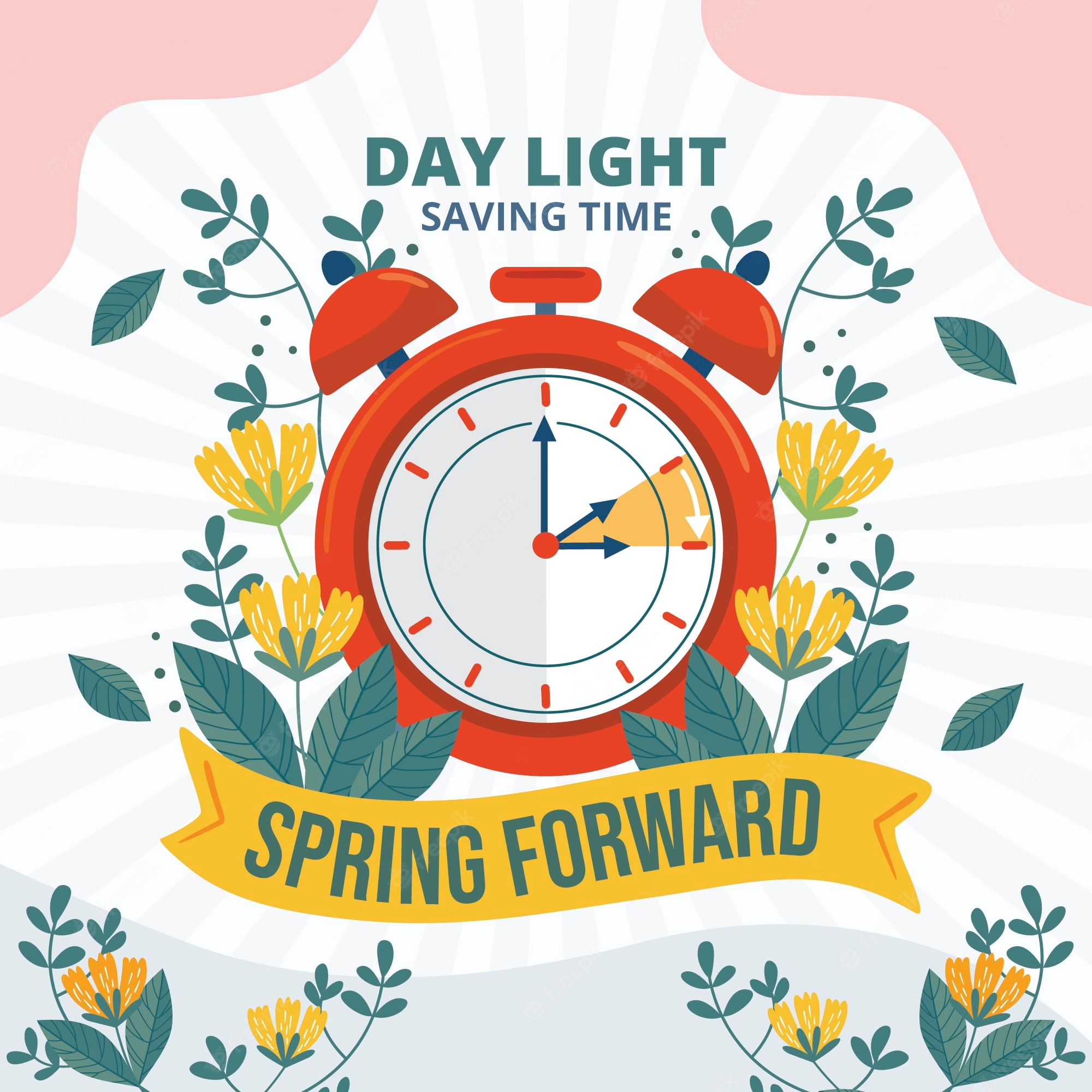
Practical Tip: Embrace the sun! Open your blinds and curtains wide during the day, and resist flipping on lights until absolutely necessary in the evenings.
Economic & Social Upsides
Beyond personal well-being, DST can have positive ripple effects on local economies. With people staying out later, there's often an uptick in business for restaurants, outdoor cafes, retail shops, and recreational facilities. More daylight encourages more leisure activities, leading to increased spending in sectors that benefit from evening patronage.
Socially, the extended daylight can foster a greater sense of community. Neighbors are out walking their dogs, kids are playing in front yards, and parks become vibrant hubs of activity. It encourages spontaneous interactions and strengthens community bonds, all under the gentle glow of a prolonged sunset.

Fun Fact: Candy companies once lobbied the U.S. government to extend Daylight Saving Time into November so children would have more daylight for trick-or-treating!
Embracing the Shift
Sure, that initial "lost" hour can feel a bit jarring, but think of it as a small toll for a much bigger reward. It's an annual reset that gently nudges us out of our winter hibernation and into the vibrant embrace of longer, brighter days. Instead of dreading the change, see it as an opportunity to adjust your routines, shake off the dust, and welcome a season of more outdoor living.
So, as the clocks spring forward, take a deep breath. Instead of mourning that hour, celebrate the many hours of glorious daylight you're about to gain. It’s an invitation to live a little more, explore a little more, and soak up every last drop of sunshine. After all, isn't that what a good life is all about?