What Are Orange Balls On Power Lines
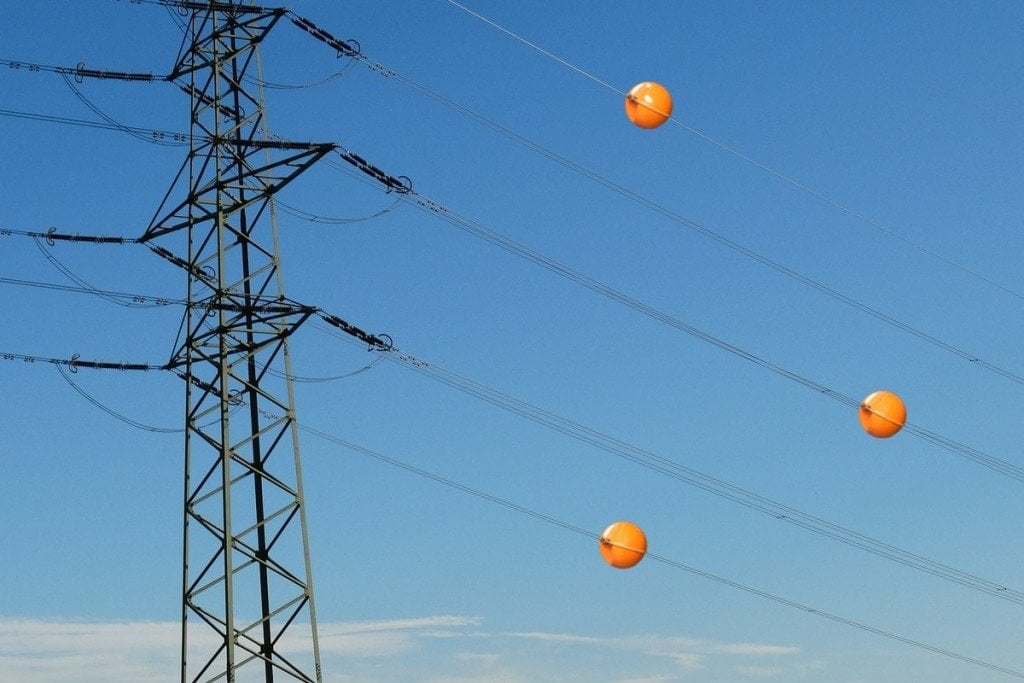
Hey there, sky-gazers! Ever squinted up at a power line and noticed something… different? Not just birds doing their usual aerial acrobatics, not just squirrels daringly high-wiring their way to the next tree, but these big, bold, beautiful, perfectly round orange balls? If you’re anything like me, your brain probably went through a quick mental checklist: Are they giant gumballs? Secret bird feeders for super-sized avians? Or perhaps, just perhaps, tiny disco balls for power line raves? (A guy can dream, right?)
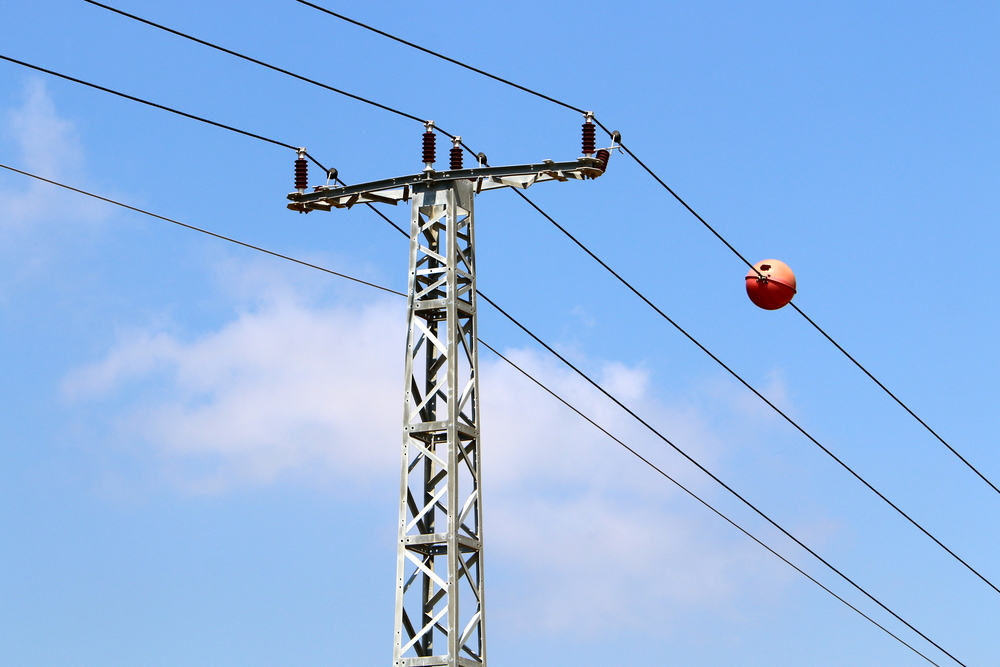
Well, buckle up, because we’re about to unravel this high-flying mystery, and let me tell you, it’s even cooler than a power line disco. These aren’t just any old orange balls, folks. These silent, spherical sentinels are actually super-important guardians of the sky, known officially as flight path markers, or sometimes, aerial visibility markers. Their mission, should they choose to accept it (which they always do, because they’re heroes!), is to scream, "Hey, look out!" to anyone flying low.
Who Needs These Bright Orange Beacons?
Think about it: while your average passenger jet cruises way up in the clouds, there are other types of aircraft that fly much, much closer to the ground. We’re talking about those incredibly nimble helicopters zipping to hospitals for life-saving emergencies, brave crop dusters performing aerial ballets over fields to feed us all, or small private planes navigating tricky terrain. These amazing pilots are flying low, often through valleys, near mountainsides, or over wide-open plains where power lines are just a part of the landscape.
Must Read
Now, here’s the tricky part: those power lines, as robust as they are, are surprisingly hard to spot from a fast-moving aircraft. Imagine trying to see a single strand of spaghetti from a mile away while doing 100 miles an hour. Tough, right? Now imagine that spaghetti is made of metal, carries thousands of volts of electricity, and could cause a catastrophic accident if hit. Yikes! This is exactly where our fantastic, super-visible orange balls swoop in like the superheroes they are.

“They’re like big, friendly giants, silently pointing out danger high above the ground. A pilot’s best friend in a visually challenging world!”
The Science of Safety (and Awesome Orange!)
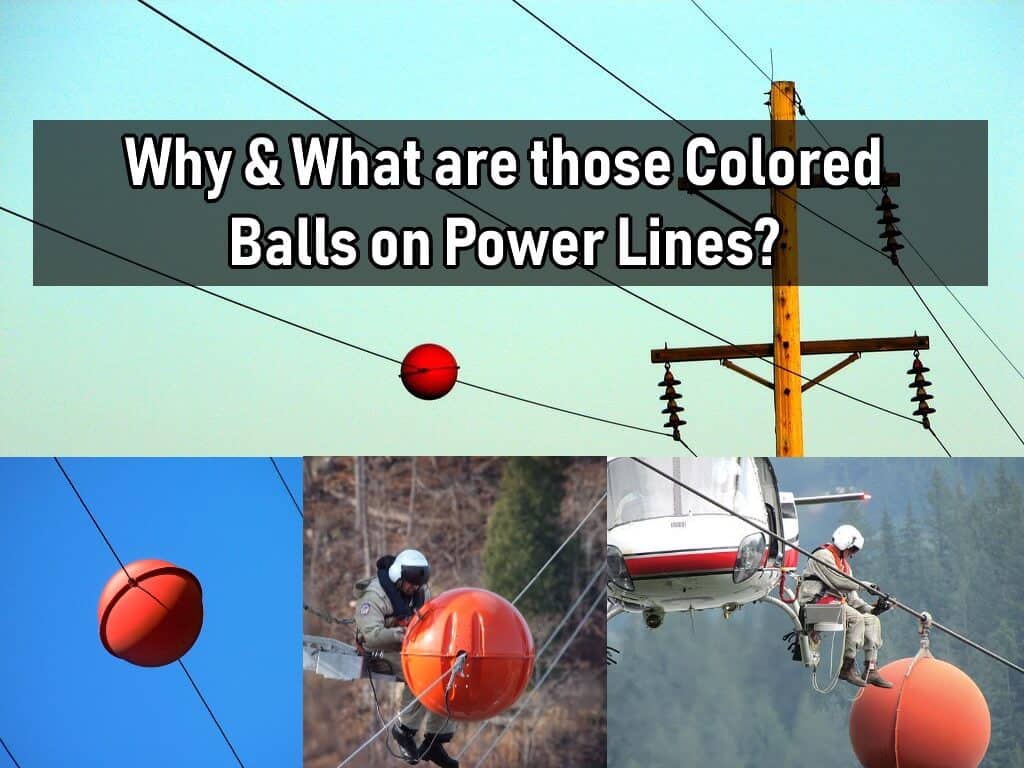
These glorious spheres are typically made from durable, lightweight materials like fiberglass or high-impact plastic. They usually measure between 20 to 36 inches in diameter – big enough to catch an eye from hundreds or even thousands of feet away, but not so heavy that they put undue stress on the power lines themselves. And that color? Orange, of course! It’s not just a vibrant fashion statement; orange is one of the most visible colors in the entire spectrum, standing out against almost any background imaginable – be it a bright blue sky, a gloomy grey cloud, or a lush green forest. Sometimes, you might even spot them in brilliant yellow or white, serving the same critical purpose.

You’ll typically find these vigilant visibility markers strung up high near airports, across wide-open valleys where lines stretch for miles, over river crossings, or in the vicinity of tall communication towers. Essentially, anywhere low-flying aircraft are likely to be present, you’ll find our orange heroes on duty. They create a clear, unmistakable visual boundary, a kind of bright, dotted safety line in the sky, guiding pilots safely over and around potential hazards.
So, the next time you cast your eyes skyward and spot those vibrant orange spheres, take a moment to appreciate them. They might look like playful ornaments hanging from the wires, but they are actually hard-working, essential components of our modern world, tirelessly contributing to aviation safety. They’re a testament to clever engineering and a deep commitment to protecting pilots, passengers, and the infrastructure below. Isn’t that just the coolest, most reassuring thing to know? These aren't just balls; they’re silent guardians, keeping our skies safe for everyone!