
What Are Nonrenewable And Renewable Resources

Hey there, future eco-champions! Ever stopped to think about where everything around us comes from? I mean, really comes from? It's a wild ride when you start tracing things back to their origins. Today, we're diving into the awesome world of resources – specifically, nonrenewable and renewable resources. Trust me, this isn’t just some dry textbook stuff. Understanding these resources is like unlocking a secret code to living a more sustainable (and frankly, cooler!) life.
Let’s start with the biggies: Nonrenewable Resources. Think of these like limited edition collectibles. Once they’re gone, they’re gone... at least, in any timeframe that matters to us humans.
Fossil fuels, like coal, oil, and natural gas, fall squarely into this category. Formed over millions of years from the remains of ancient plants and animals (yeah, dinosaurs!), these fuels are packed with energy. We burn them to power our cars, heat our homes, and keep the lights on. But here’s the catch: burning them also releases greenhouse gases, which contribute to climate change. (Cue the dramatic music!) So, while they've been incredibly useful, we need to be smart about how we use them... or, even better, start phasing them out completely!
Must Read
Nuclear power is another one. It relies on uranium, a naturally occurring element that, while relatively abundant, is still finite. Nuclear power plants don't produce greenhouse gases during operation, which is great! But the waste they generate is radioactive and needs to be carefully stored for, well, a really long time. It's a bit of a trade-off, isn't it?
So, nonrenewable resources are powerful, but they come with some serious strings attached. What about the alternative? Enter the superheroes of sustainability: Renewable Resources!
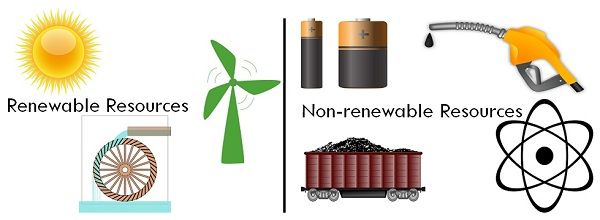
Renewable resources are like the gift that keeps on giving! They're naturally replenished at a rate comparable to our consumption. Imagine a resource that just... keeps coming back! Pretty neat, huh?
First up, we have solar energy. Think of the sun as a giant, never-ending ball of energy just waiting to be tapped. Solar panels convert sunlight into electricity, and boom! Clean, green power. Plus, who doesn't love the idea of harnessing the power of the sun? It feels a little bit like magic, doesn't it?
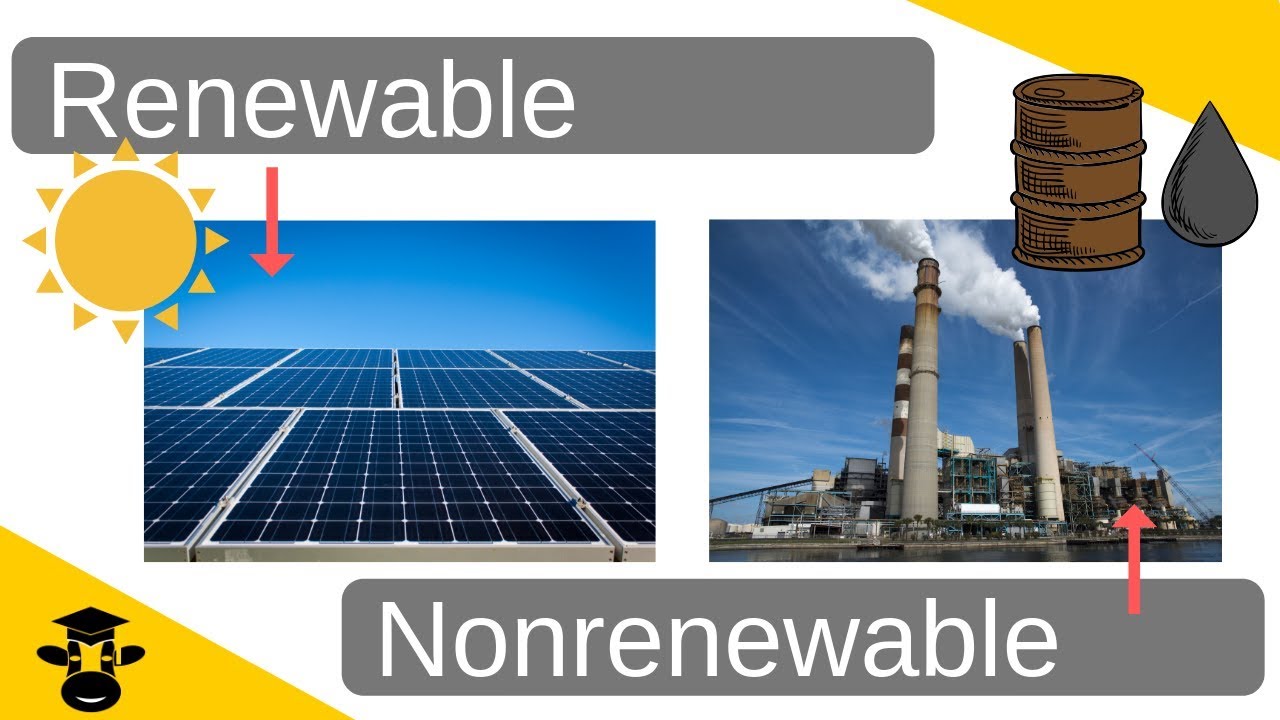
Next, there's wind energy. Those majestic wind turbines you see dotting the landscape aren't just pretty to look at; they're capturing the kinetic energy of the wind and turning it into electricity. It's clean, it's efficient, and it's readily available in many parts of the world. Talk about a breath of fresh air!
Hydropower harnesses the power of moving water, typically from rivers or dams, to generate electricity. It's a relatively mature technology and a reliable source of power. However, it can have environmental impacts on river ecosystems, so careful planning is essential.

And let's not forget geothermal energy! Deep beneath our feet, the Earth is a powerhouse of heat. Geothermal plants tap into this heat to generate electricity or provide direct heating for buildings. It’s like having a giant, underground radiator! How cool is that?
Finally, we have biomass. This includes organic matter like wood, crops, and even agricultural waste. Biomass can be burned to generate heat or electricity, or it can be converted into biofuels like ethanol. While biomass is technically renewable, it's important to manage it sustainably to avoid deforestation and other environmental problems. (Yes, even superheroes need to be responsible!)

Why does all this matter to you? Well, for starters, understanding the difference between renewable and nonrenewable resources empowers you to make more informed choices. From the energy you use in your home to the products you buy, you can start aligning your actions with a more sustainable future. Plus, being knowledgeable about these topics makes you a much more interesting person at parties. Trust me.
Think about it: supporting companies that prioritize renewable energy, advocating for policies that promote sustainability, or even just reducing your own energy consumption. Every little bit helps! And the more people who get on board, the bigger the impact we can have.
Isn't it exciting to be part of a movement that's working to create a cleaner, healthier planet? I think so! The world of resources is vast and fascinating, and there's always something new to learn. So, keep exploring, keep asking questions, and keep being an awesome eco-champion. The future is bright, and it's powered by sunshine, wind, and a whole lot of human ingenuity!