
What Are Income Taxes In Texas
Picture this: it’s the heart of tax season, papers are everywhere, and a collective sigh echoes across the country. Many people are deep in the weeds, trying to figure out their federal and state income taxes. But then, there's a unique group of folks in the Lone Star State who breathe a different kind of sigh.
For them, it's a sigh of relief, perhaps even a tiny celebratory "Yee-haw!" Why the difference? Well, here’s a fun little secret many Texans are happy to share.
The Big Texas Twist: No Personal Income Tax!
Get ready for the surprising truth: the state of Texas does not have a personal income tax. That's right, you read it correctly! When April 15th rolls around, while many Americans are settling up with Uncle Sam and their state tax departments, Texans only deal with the federal part.
Must Read
This means that the money you earn from your job or business stays in your pocket, free from a state income tax levy. It’s a pretty significant part of the Texas appeal, making it a popular destination for new residents. Imagine what you could do with that extra cash!
For many, it translates to more dollars for delicious barbecue, tickets to a rodeo, or maybe that perfect pair of cowboy boots. It’s a foundational part of the state's economic philosophy. This unique approach is something Texans often feel a lot of pride about.
So, How Does Texas Keep the Lights On?
Now, you might be thinking, "Hold on a minute! How does a big state like Texas fund its schools, roads, and all those essential services without an income tax?" That's an excellent question, and it brings us to the other stars of the Texas tax show.

Texas primarily relies on other forms of taxation to keep the state running smoothly. These are taxes that most people interact with regularly, often without even realizing their full impact. They are woven into the fabric of everyday life here. It’s a different recipe for state funding compared to many other places.
Hello, Property Taxes!
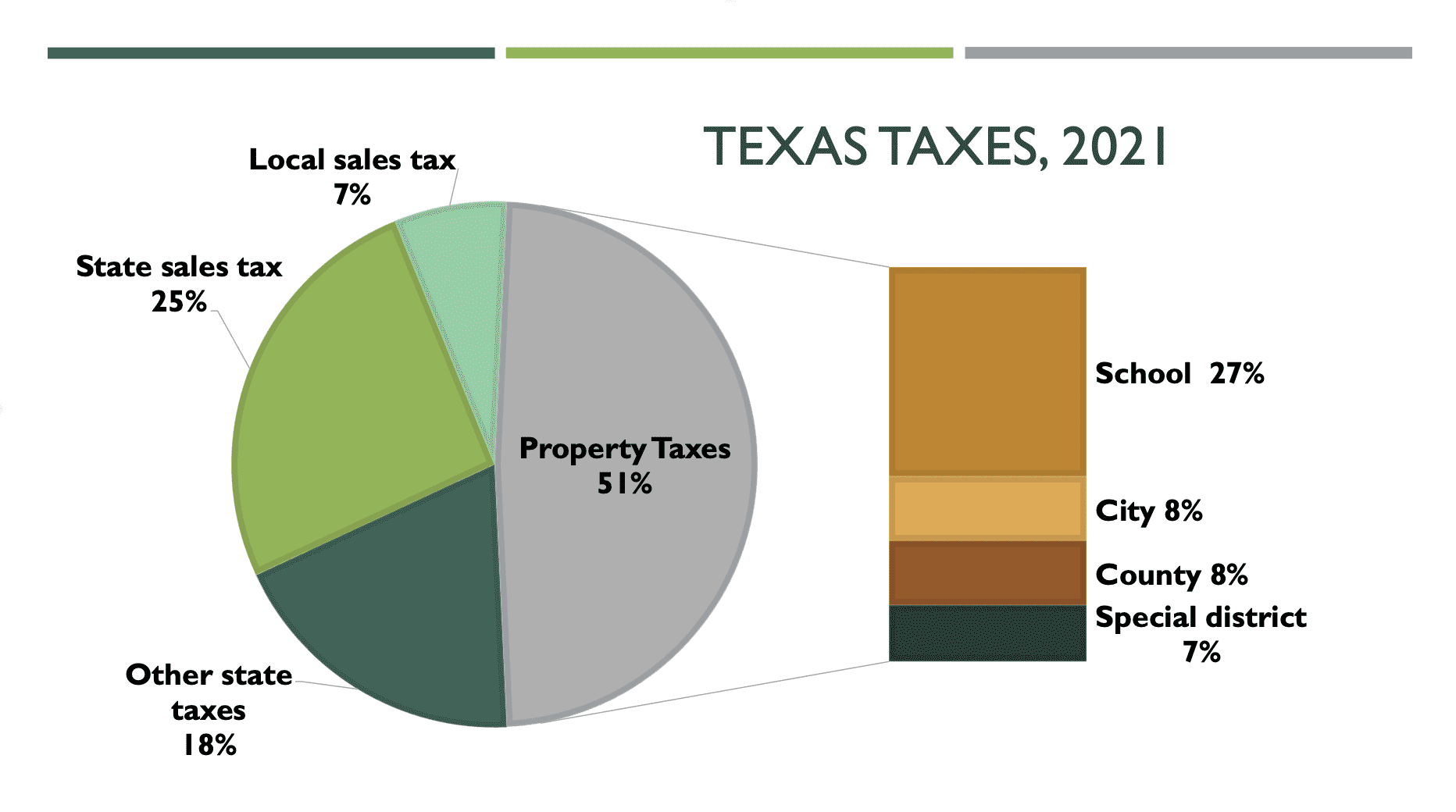
If you own a piece of the vast Texas landscape, whether it's a cozy suburban home or a sprawling ranch, you'll certainly get to know property taxes. These taxes are calculated based on the value of your property. They are a big piece of the local funding puzzle.
Property taxes are truly the backbone of local services. They are what help fund our incredible public schools, ensuring a bright future for the next generation of Texans. These taxes also support our brave local fire departments and police forces.
Think about it: those smooth roads you drive on, the beautiful public parks where kids play, and even the streetlights keeping your neighborhood safe – much of it is supported by property taxes. They are an investment in the immediate community. It’s a heartwarming way residents directly contribute to their neighborhood's well-being.
Don't Forget Sales Taxes!
Another major player in the Texas tax game is the sales tax. This is probably the most common tax you encounter almost daily. Every time you buy something, from a gallon of milk to a new gadget, a small percentage is added to the price.
Currently, the state sales tax rate in Texas is 6.25%. However, local cities and counties can add their own rates on top of that. This often brings the total sales tax up to a maximum of 8.25% in most places. It’s something shoppers quickly get used to.
These sales taxes go towards funding a wide range of statewide services. They help build and maintain our extensive highway system, support state universities, and provide various state-level government functions. It’s a constant flow of funding that powers the entire state. Every purchase, big or small, plays a part.
The Texas Philosophy: Freedom and Economic Growth
The absence of a state income tax isn't just a random quirk; it's a deliberate choice rooted in Texas's economic philosophy. The idea is that by allowing individuals and businesses to keep more of their earnings, the state encourages economic activity and growth. This approach aims to attract talent and investment.
Many believe this system fosters a stronger, more dynamic economy. It’s a big reason why so many companies and people are choosing to move to Texas. The promise of greater financial freedom is a powerful draw. This influx of people and businesses further boosts the state’s vibrant economy.
When you tell someone from another state about this, their reaction is often priceless.
"No income tax? You mean I'd get to keep more of my paycheck?" they might exclaim, eyes wide with surprise. "That's incredible!"It’s a fun conversation starter and a point of pride for many Texans.
A Different Kind of Balance
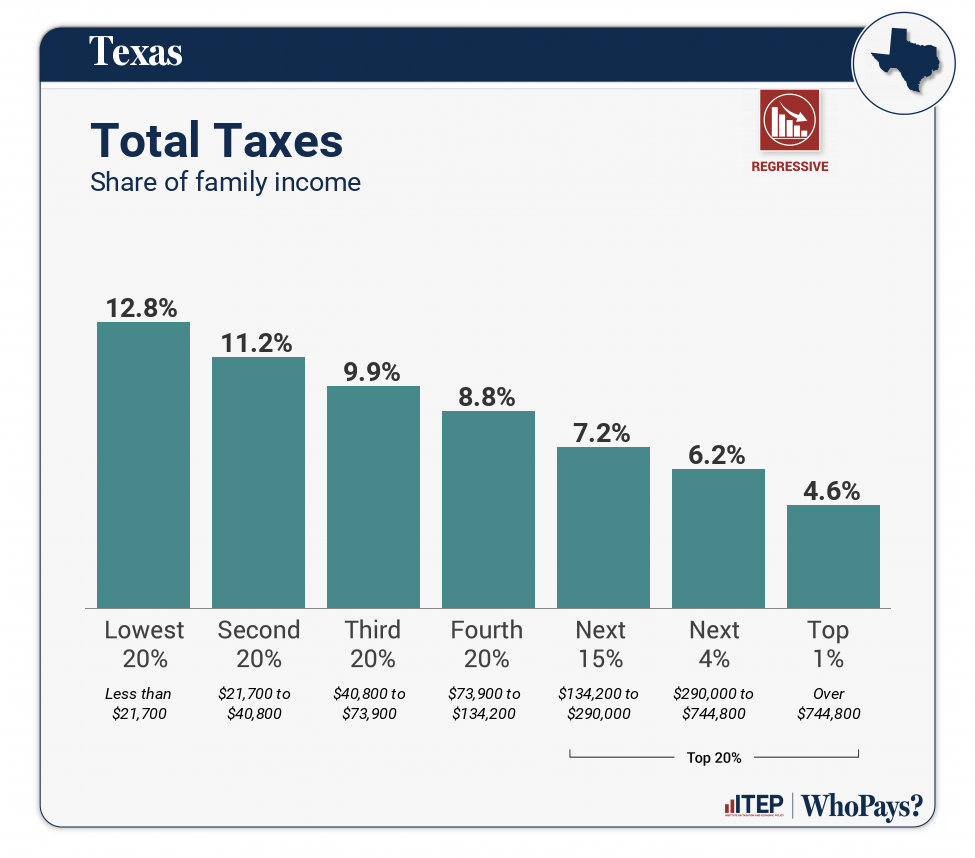
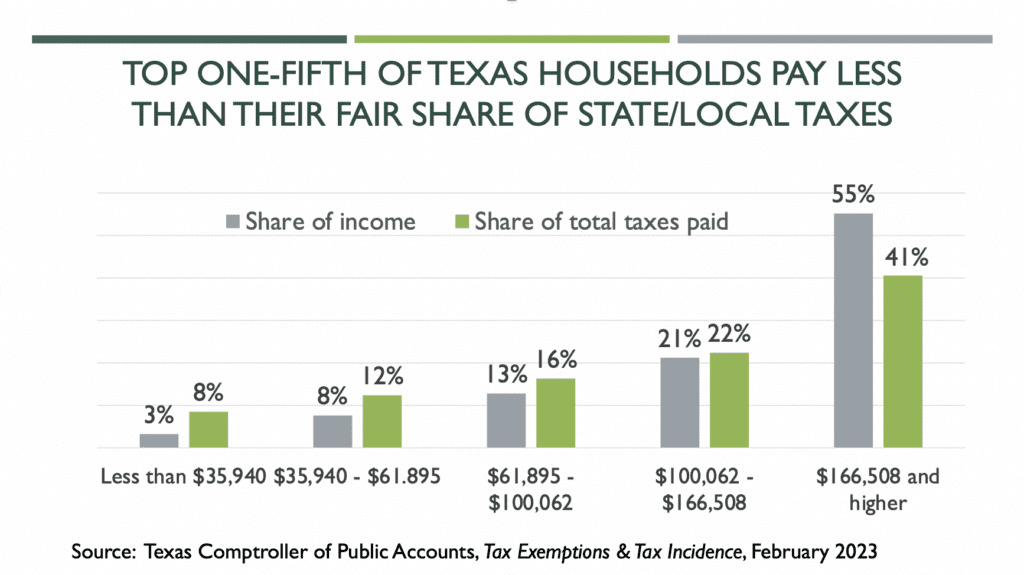
Of course, every state has its own way of balancing its budget. Texas simply chooses a different path than many others. While you might not pay state income tax, you'll notice that sales taxes and property taxes are relatively higher than in some income tax states. It’s a trade-off, a different recipe for funding.
This system works for the unique character and vast needs of Texas. It’s about local control, individual responsibility, and fostering a business-friendly environment. It highlights the diversity of approaches among the 50 states. Texas definitely marches to the beat of its own drum.
So, the next time tax season rolls around, remember the surprising Texas story. While you'll still deal with federal taxes, the absence of a state income tax means more of your hard-earned money stays right where it belongs: in your pocket. That’s a pretty sweet deal, Texas-style!
It’s one of the many things that makes living in the Lone Star State a truly unique and enjoyable experience. From delicious BBQ to wide-open spaces, and yes, even to taxes, Texas loves to do things a little differently.