What Are Four Main Instruments Of Trade Policy
Ever tried haggling for a souvenir on vacation? Or maybe you’ve noticed your favorite imported cheese suddenly costs a fortune? Well, you've stumbled into the wild world of trade policy! Governments, much like you trying to snag that "authentic" Eiffel Tower keychain, use tools to influence what gets bought and sold across borders. Let's explore four of the biggies – think of them as the government's economic toolbox for global shopping.
Tariffs: The "Pay-to-Play" Tax
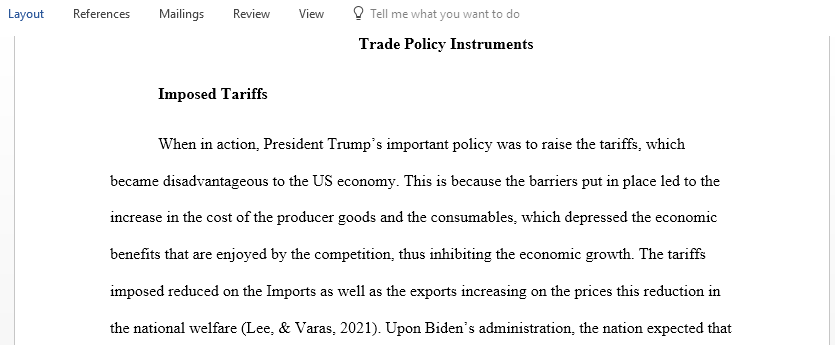
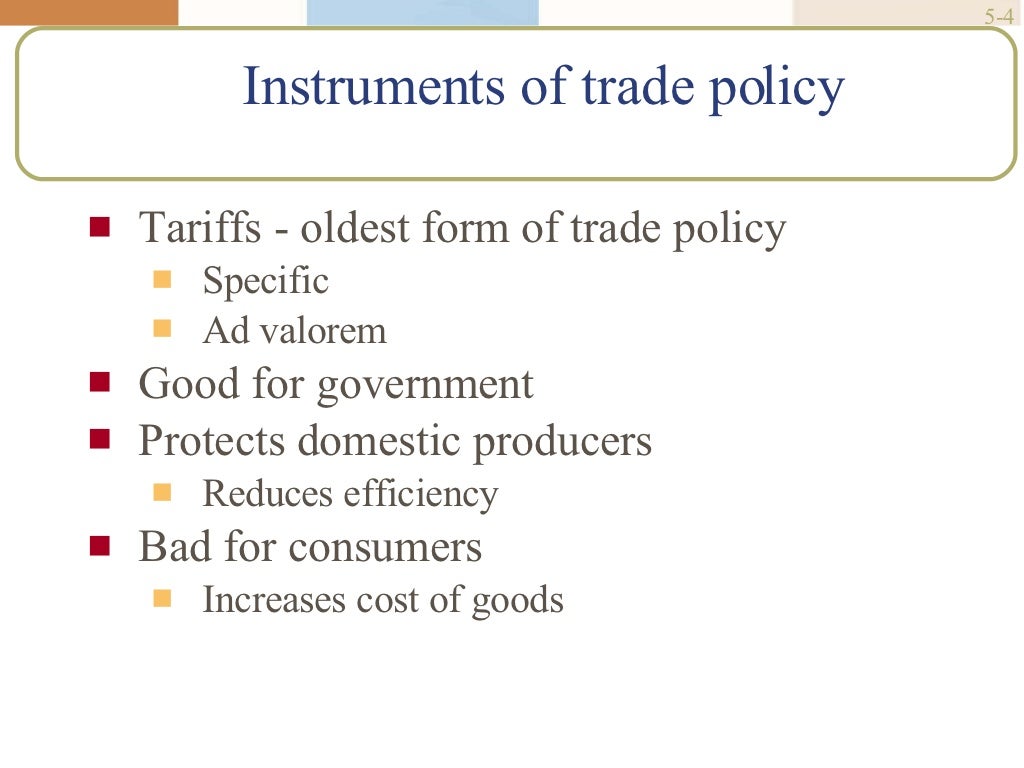
First up, we have tariffs. Imagine you're importing a truckload of those super comfy Swedish chairs. A tariff is like a tax you have to pay to the government for bringing those chairs into the country. It's a fee slapped onto imported goods. Why do governments do this? Well, sometimes it's to protect local chair-makers (so they can still compete!). Sometimes it's to raise money. And sometimes... well, it's complicated, like trying to assemble that Swedish chair without the instructions.
Think of it this way: it’s like your local bakery charging a "delivery fee" for cupcakes coming in from another town. Suddenly, those out-of-town cupcakes don't seem so tempting anymore, right? That's how tariffs can work!
Must Read
Quotas: The "Limited Edition" Rule
Next, we've got quotas. These are like saying, "Okay, only this many French baguettes can enter the country each year." It’s a direct limit on the quantity of a specific good that can be imported. It's not about price (like tariffs), it's about amount.
Picture this: it's Black Friday, and the store only allows the first 50 people in line to buy that ultra-cheap TV. Once 50 TVs are gone, that's it! That's essentially a quota in action. They create artificial scarcity, which can drive up prices for consumers (boo!).
Subsidies: The "Government Goodie Bag"
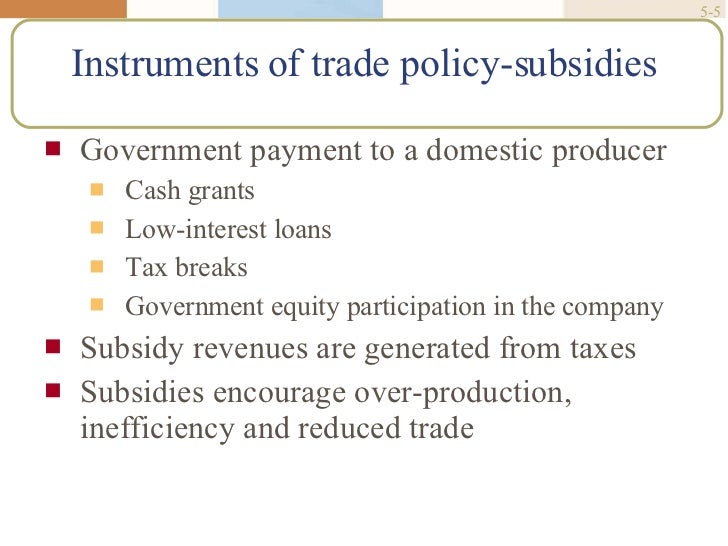
Now, let's talk about subsidies. These are like the government giving a little "goodie bag" (cash, tax breaks, etc.) to domestic producers. It helps them lower their production costs and become more competitive, both at home and abroad. This can make their products cheaper for everyone, or allow them to sell those products at a lower price to international buyers.
It's like your parents slipped you some extra cash so you could afford that concert ticket everyone else was getting. You were able to participate because of that little boost! For example, a government might give subsidies to local farmers, helping them grow crops more cheaply and compete with imported produce. It's a way to support domestic industries, but other countries might see it as unfair competition.

Embargoes: The "No Trespassing" Zone
Finally, we have embargoes. These are the most extreme trade policy tools. Think of them as a complete and total ban on trade with a specific country. Basically, the country puts up a big "No Trespassing" sign, economically speaking.
Imagine if your mom grounded you from using your phone completely. No texting, no social media, nothing. That's kind of what an embargo is like for a country. Embargoes are usually used for political reasons – to put pressure on another country to change its policies. They are drastic and often have significant economic consequences for both countries involved.
So, there you have it! Tariffs, quotas, subsidies, and embargoes – four key instruments that governments use to shape the world of trade. They're not always straightforward, and their effects can be complex, but hopefully, this little overview makes them a bit easier to understand. Now, go forth and confidently navigate the global marketplace (or at least understand why your favorite cheese is so darn expensive)!