
What Are 2 Types Of Electricity
You probably don't spend a lot of time thinking about electricity, do you? It's just... there. Flip a switch, light comes on. Plug in your phone, it charges. It's like a quiet, dependable friend who keeps everything humming along without much fuss. But what if I told you this trusty friend actually has a couple of different personalities? Yep, electricity comes in two main "flavors," and understanding them is actually pretty neat, and even a little bit fun!
Let's dive into the fascinating, sparky world of Direct Current, or DC for short.
Direct Current (DC): The Steady River
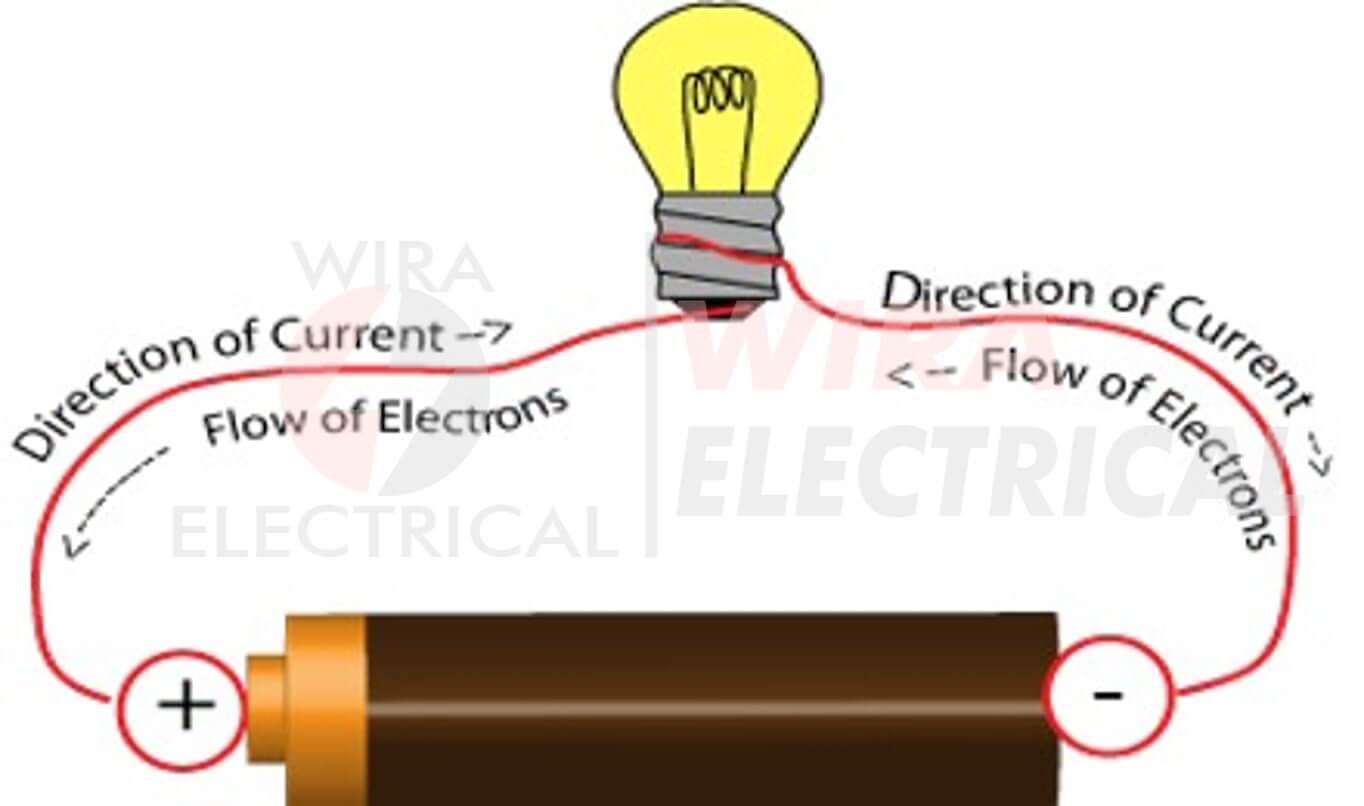
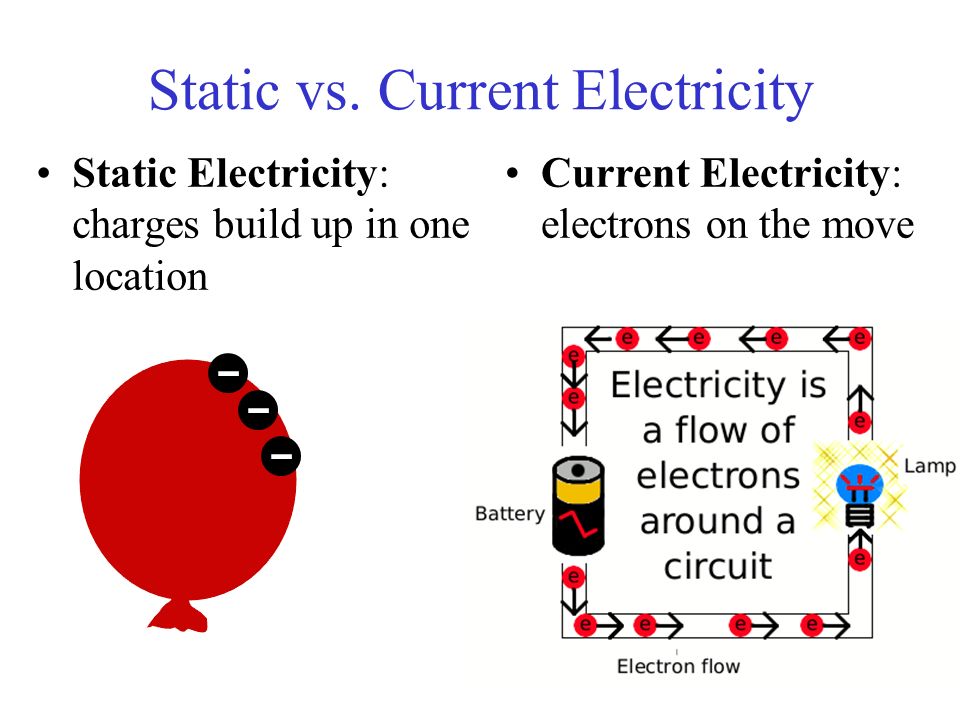
Imagine a calm, peaceful river, always flowing in one single direction. That's essentially Direct Current. The electrons—those tiny little charge carriers that make electricity happen—are like diligent little boats, all moving steadily from one point to another without ever turning back.
Must Read
Where do you find this one-way street of power? Think about all those gadgets that run on batteries. Your smartphone, the remote control for your TV, that trusty flashlight you keep for power outages, your laptop (when it's not plugged in), and even your car's battery. All of these use DC.
Why is DC so great for these things? Because it's portable and consistent. It's like having a little power snack in your pocket. When you pop a battery into your kid's favorite toy car, you know that consistent, steady flow of power will make it zoom forward without any hiccups. It’s perfect for devices that need a reliable, constant push of energy. Plus, it's generally safer at lower voltages, making it ideal for the electronics we hold in our hands.

So, next time you change the batteries in your remote, give a little nod to DC – the steady, one-way power hero!
Alternating Current (AC): The Wavy Ocean
Now, let's talk about the other personality: Alternating Current, or AC. If DC is a steady river, then AC is like the ocean waves, constantly changing direction, ebbing and flowing. Those little electron "boats" we talked about earlier? With AC, they're not just going in one direction; they're moving back and forth, switching directions many times a second!
Where does AC show up in your life? Look around your house! Every single wall outlet delivers AC power. Your fridge, your TV, your toaster, your big standing lamp, the washing machine – pretty much anything that plugs directly into the wall is running on Alternating Current.
You might be thinking, "Why all the back-and-forth fuss?" Well, AC has a superpower: it's fantastic for traveling long distances. It can be sent over power lines much more efficiently than DC, with less energy lost along the way. Imagine trying to deliver a huge pizza party across town. It's much easier to have one big delivery truck (AC) that can carry tons of pizzas and drop them off efficiently, rather than sending a hundred tiny scooters (DC) that each carry one slice. AC can also have its voltage easily changed with transformers, making it super versatile for our massive power grids.
So, that electricity journey from the power plant all the way to your living room socket? That's AC doing the heavy lifting!

Why Should You Care? Because They're a Dynamic Duo!
Okay, so you've got the steady river (DC) and the wavy ocean (AC). But why does knowing this make your life better, or even more interesting? Because these two types of electricity aren't rivals; they're teammates!
Think about your phone again. It runs on DC (from its battery), but when you plug it into the wall to charge, it's plugging into AC. So, how does that work?
See that little "power brick" or adapter on your phone charger cable? That's a clever little translator! It takes the incoming AC from your wall outlet and converts it into DC that your phone's battery can understand and store. It's like your phone speaks French (DC), and the wall speaks English (AC), so the adapter is the friendly interpreter making sure they can communicate.
This dynamic duo ensures we get the best of both worlds:
- AC brings the powerful, long-distance energy right to your doorstep, efficiently lighting up your home and powering your appliances. It's the sturdy backbone of our modern world.
- DC provides the portable, reliable, and consistent energy that makes all our smaller, mobile gadgets work, giving us freedom from wall sockets. It's the nimble workhorse that makes our devices personal.
So, while you don't need to become an electrical engineer, understanding these two fundamental types of electricity gives you a little peek behind the curtain of everyday magic. It reminds us that even the simplest things, like flipping a light switch, are part of a fascinating, invisible dance of energy, making our world buzz with convenience and connection. Pretty cool, right?