What Appliances Produce Carbon Monoxide

Hey there, home safety superstar! Ever wondered which everyday heroes (or potential villains!) in your house are silently working, and sometimes, silently producing something you absolutely want to avoid? We're talking about Carbon Monoxide, often dubbed the "silent killer," but understanding where it comes from is your first step to becoming a certified home safety guru! And trust us, knowledge this vital is surprisingly empowering and, dare we say, a little bit fun when you realize you're mastering your home's unseen forces.
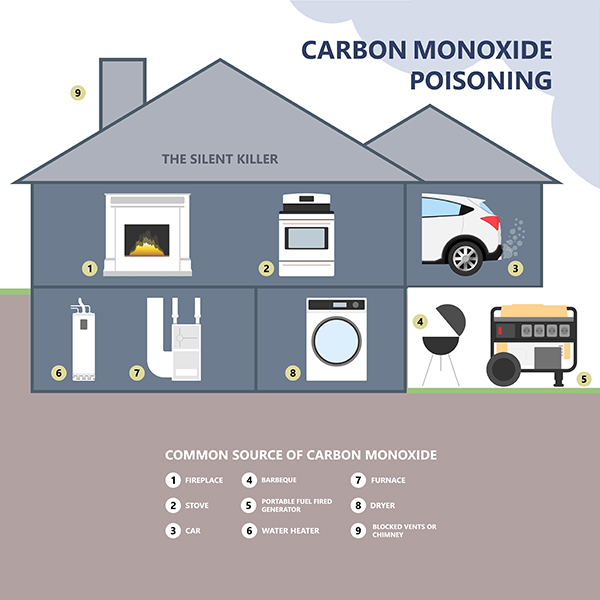
So, what’s the big deal with CO? It’s a colorless, odorless, and tasteless gas produced when fuels burn incompletely. Think of it like this: your appliances are supposed to burn fuel cleanly, producing mostly carbon dioxide and water vapor. But if something goes awry – a blocked vent, a faulty burner, or not enough oxygen – they start sputtering out CO. The super useful benefit of knowing which appliances are the culprits? You can take proactive steps to prevent this dangerous gas from ever becoming a problem in your home, keeping everyone safe and sound.
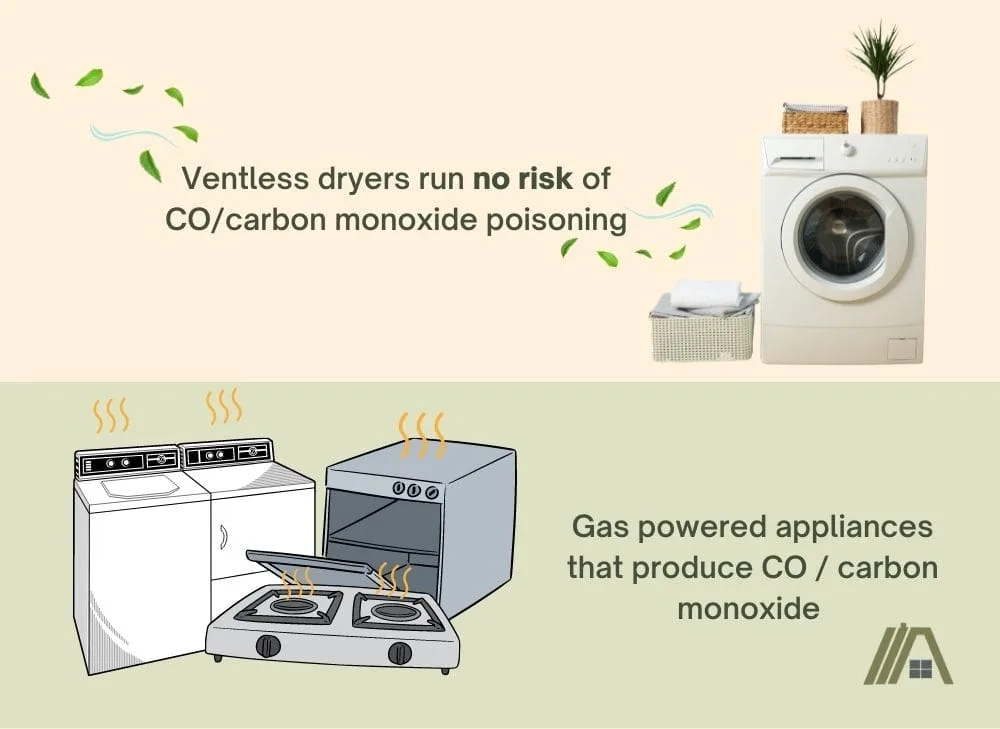
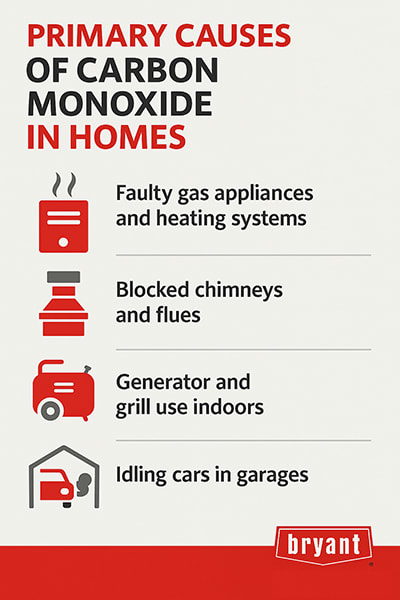
Let's dive into the usual suspects. Most often, the biggest producers of CO are appliances that burn fuel for heat. Your furnace or boiler (especially if it runs on natural gas, propane, or oil) is top of the list. A crack in the heat exchanger or a blocked flue can send CO into your living space. Similarly, your gas water heater and even your gas clothes dryer can be sources if their vents are obstructed or they're not properly maintained. Regular professional check-ups for these workhorses are absolutely essential!
Must Read
But wait, there's more! What about those cozy comforts? Your gas stove or oven can produce CO if the burners are dirty, improperly adjusted, or if the oven is used for heating rather than cooking (a big no-no!). Even your charming gas or wood-burning fireplace can be a CO source if the chimney is blocked or not drawing properly. Remember that beautiful glow needs a clear path out! And for those outdoor adventure items, a portable generator or charcoal grill are huge CO producers. These must NEVER, EVER be used indoors or in an attached garage, even with the door open! The same goes for running a car or truck in an enclosed garage – their exhaust is packed with CO.
The good news? Preventing CO poisoning is incredibly straightforward! Your best defense is a properly installed and regularly tested carbon monoxide detector on every level of your home, especially near sleeping areas. Think of it as your home's superpower radar! Combine that with annual professional inspections and maintenance for all fuel-burning appliances, ensuring proper ventilation, and using outdoor equipment only outdoors. By knowing the sources and taking these simple steps, you're not just being safe; you're being smart, empowered, and ready to enjoy your home with true peace of mind. Go forth, home hero!