
What Age To Start Taking Collagen

Let's talk collagen! Why? Because who doesn't want to feel and look their best? We're bombarded with ads for collagen supplements promising everything from glowing skin to stronger joints, and it's natural to wonder: is this stuff for me? And if so, when should I jump on the collagen bandwagon? It's a fun topic because it's all about optimizing your health and appearance, and it's useful because understanding collagen can empower you to make informed choices about your well-being. So, let's dive in!
First, let's understand what collagen actually is. Think of it as the structural protein that holds you together. It's like the glue in your body, providing support and elasticity to your skin, bones, tendons, ligaments, and even blood vessels. It's abundant when we're young, which is why kids have such amazing bouncy skin and flexible joints. Lucky them!
But here's the catch: as we age, our bodies naturally produce less collagen. Usually, this decline begins around our mid-20s, and it can accelerate as we get older. This decrease in collagen production is a primary culprit behind wrinkles, sagging skin, joint pain, and other age-related issues. That's why everyone is so interested in boosting their collagen levels!
Must Read
So, back to the big question: what age should you start taking collagen supplements? There's no one-size-fits-all answer, but generally, considering collagen supplementation in your late 20s or early 30s isn't a bad idea. This is because prevention is often easier than trying to reverse significant damage. Think of it like investing in retirement – the earlier you start, the better!
However, it's crucial to understand that collagen supplements aren't a magic bullet. They aren't going to completely erase wrinkles or undo years of wear and tear. But they can provide your body with the building blocks it needs to support collagen production and potentially slow down the aging process. Many people report benefits such as improved skin elasticity, reduced joint pain, and even stronger hair and nails. Remember, individual results can vary.
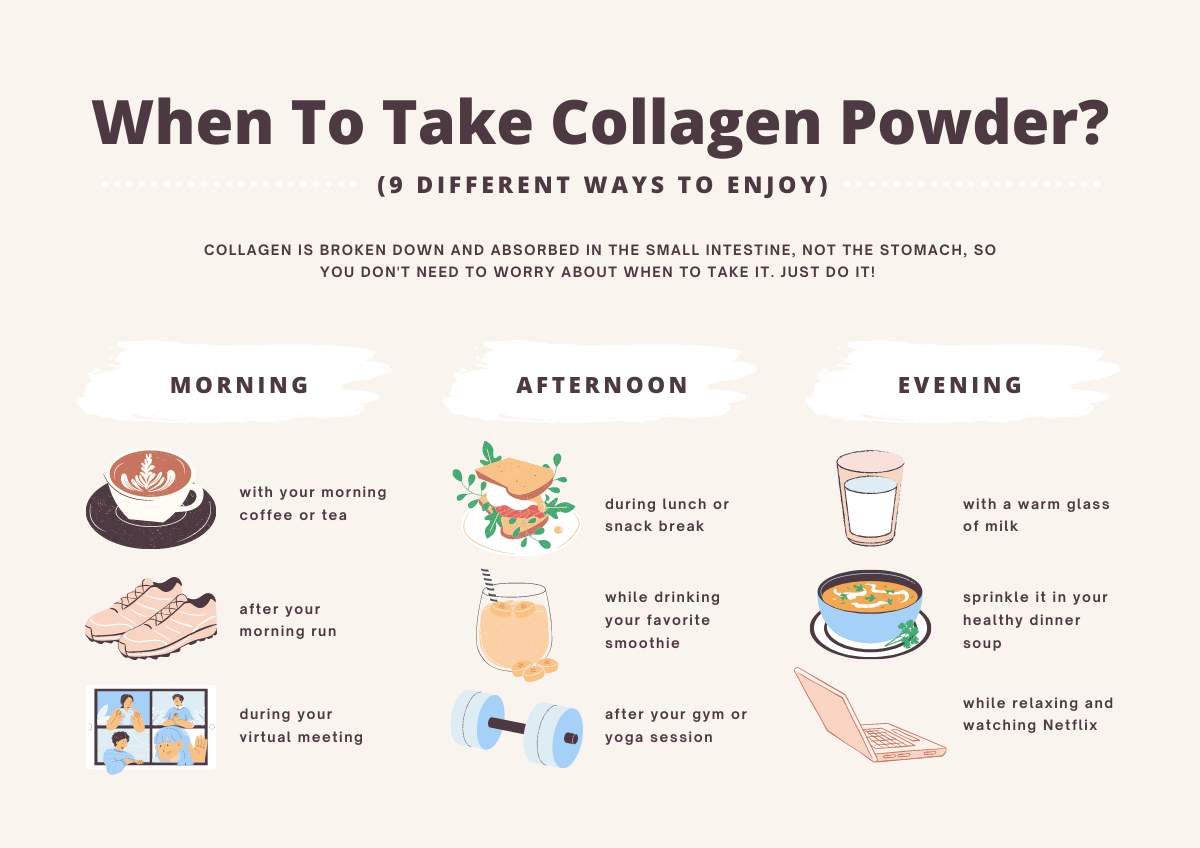
Before you rush out and buy every collagen supplement on the market, do your research! Look for high-quality supplements from reputable brands. Hydrolyzed collagen (also known as collagen peptides) is often recommended because it's easier for your body to absorb. And it's always a good idea to consult with your doctor or a registered dietitian before starting any new supplement regimen, especially if you have any underlying health conditions or are taking medications.
Ultimately, the decision of when to start taking collagen is a personal one. Consider your lifestyle, genetics, and overall health. If you're experiencing early signs of aging or have specific concerns like joint pain, starting sooner might be beneficial. Even if you're not quite ready for supplements, focusing on a collagen-boosting diet rich in protein, vitamin C, and other essential nutrients is a fantastic way to support your body's natural collagen production. So, nourish yourself, stay hydrated, and embrace the journey to feeling your best – at any age!


