
Western Union Aml Compliance Quiz Answers

Ever wondered how international money transfers stay (mostly!) safe from bad guys? A big part of that involves AML, or Anti-Money Laundering. And Western Union, a giant in the money transfer business, takes this very seriously. That's why they use AML compliance quizzes – and understanding them can be surprisingly interesting. Think of it as a mini-detective game, uncovering the techniques used to keep illicit funds from flowing through the financial system.
The purpose of a Western Union AML compliance quiz is quite straightforward: to educate and assess employees and agents on their understanding of AML regulations. These quizzes are designed to ensure that everyone involved in processing money transfers is aware of the risks and knows how to identify and report suspicious activity. But beyond just ticking boxes for regulatory compliance, these quizzes offer real benefits. A well-trained workforce is the first line of defense against money laundering, which in turn helps to prevent all sorts of related crimes like drug trafficking, terrorism financing, and human trafficking.
So, what exactly do these quizzes cover? They typically delve into topics like:
Must Read
- Know Your Customer (KYC) principles: Understanding the importance of verifying customer identities.
- Red Flags: Recognizing suspicious transactions or customer behavior (e.g., unusually large transfers, inconsistent information).
- Reporting Procedures: Knowing how and when to report suspicious activity to the appropriate authorities.
- Sanctions and Embargoes: Understanding which countries and individuals are subject to restrictions.
While you might not take a Western Union AML quiz directly in your daily life, the underlying principles are more relevant than you think. For instance, consider online shopping. When a website asks you to verify your address or asks for additional security measures during a transaction, they're essentially applying KYC principles to protect themselves (and you!) from fraud. Similarly, if you've ever received a phishing email asking for your personal information, recognizing the "red flags" – like grammatical errors or unusual requests – is akin to identifying suspicious activity in AML compliance.
Even in education, the concept of AML is creeping in. Business schools and law schools are increasingly incorporating modules on financial crime and compliance into their curricula. This ensures that future professionals in finance, law, and other related fields are equipped with the knowledge and skills to combat money laundering and other illicit financial activities. The principles of due diligence, risk assessment, and reporting suspicious activity, covered in these quizzes, are directly applicable to various professional settings.
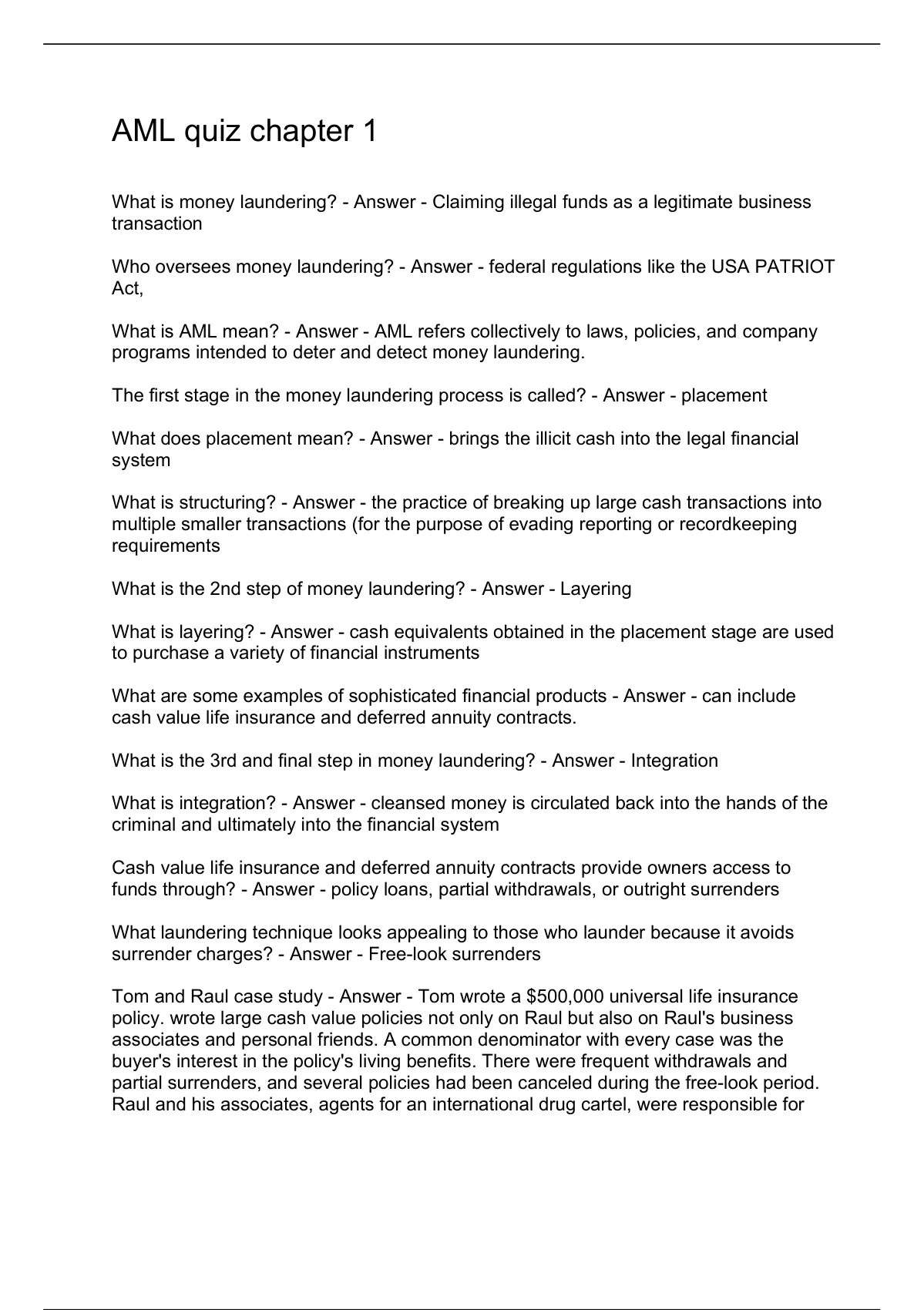
Want to explore the world of AML a little further? Here are some simple tips:
- Research KYC principles: Understand how banks and financial institutions verify customer identities.
- Look up common "red flags" for fraud: Learn to recognize suspicious online behavior.
- Read news articles about money laundering cases: Understand the impact of financial crime on society.
- Explore online resources from organizations like the Financial Action Task Force (FATF): A great source of information on global AML standards.
While finding the specific "answers" to a Western Union AML compliance quiz online isn’t really the point (the goal is understanding, not just passing!), understanding the underlying principles of AML is incredibly valuable. It's about being a more informed citizen, a more cautious consumer, and potentially a more responsible professional. So, next time you hear about money laundering, remember it's not just about criminals hiding money; it's about protecting the integrity of the financial system and preventing serious crimes.


