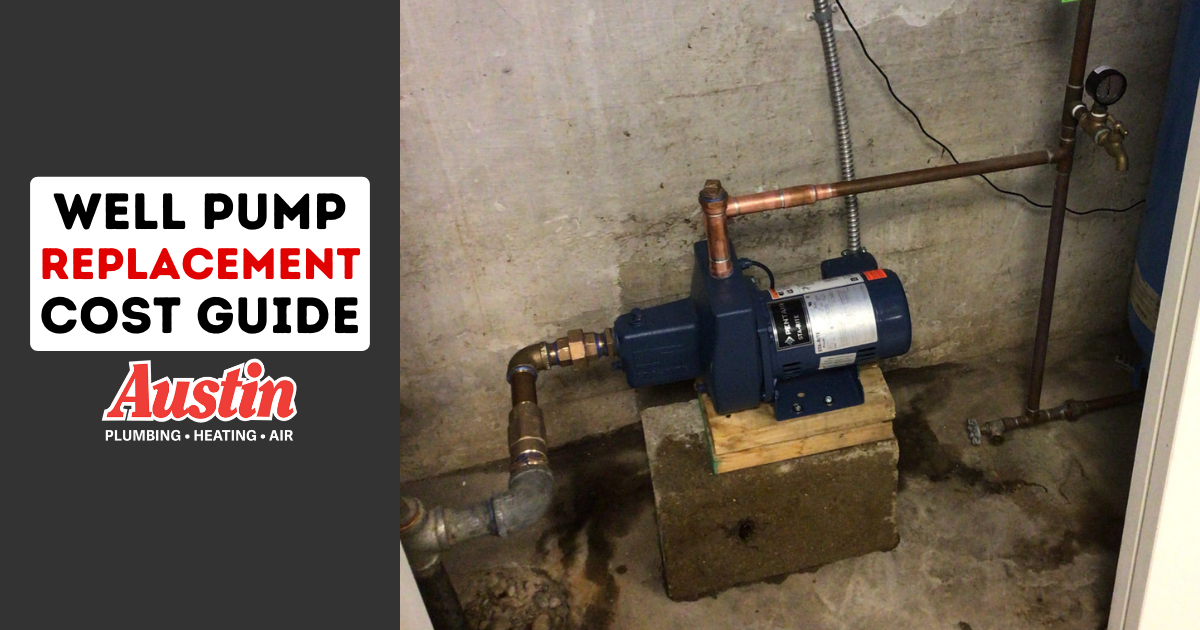
Well Pump Replacement Cost Calculator

Picture this: It’s a beautiful morning. The birds are chirping (or maybe your alarm is, relentlessly), and you're ready for that first glorious cup of coffee or a refreshing shower. You turn the faucet... and nothing. Or maybe it’s a sad, sputtering trickle. Your heart sinks a little, doesn't it? If you live in a home with a private well, this "moment of truth" usually points to one thing: your well pump might be calling it quits. But before you panic, let's talk about the well pump replacement cost calculator – not a literal app, but a mental toolkit to help you understand what you're up against.
Living with a well is wonderful. It’s a direct connection to nature, often providing crisp, clean water that city dwellers can only dream of. It’s a slice of independence, a nod to self-sufficiency. But like any vital system, it needs a little TLC, and sometimes, a full-on refresh. Understanding the potential costs involved in replacing your well pump isn't about bracing for impact; it's about being prepared and empowered.
The Unsung Hero: What Your Well Pump Does
Think of your well pump as the heart of your home's water system. It tirelessly pushes water from deep underground, up through your well casing, and into your pressure tank, ready for you to use. Without it, you’re essentially living in a very charming, yet very dry, museum. Did you know that over 13 million households in the U.S. rely on private wells? That’s a lot of pumps doing a lot of hard work!
Must Read
Whispers from the Well: Signs It's Time
Your well pump rarely goes from 0 to "game over" without some warning signs. Keeping an ear and an eye out can save you from a major headache (and potentially a higher emergency service fee). Look out for these tell-tale signals:
- No Water or Low Pressure: The most obvious signs. If your shower pressure is more like a drizzle, or nothing comes out at all, it’s a red flag.
- Sputtering Faucets: Air mixed with your water often indicates a problem in the well or with the pump itself.
- Strange Noises: Grinding, clanging, or excessive clicking from your pressure tank or near the well usually means the pump is struggling.
- High Electric Bills: If your pump is working overtime to maintain pressure, it’s gobbling up more electricity.
- Constant Cycling: If your pump turns on and off frequently, even when no water is being used, your pressure tank or pump might be failing.
Cracking the Cost Code: What Influences the Price Tag
Now for the main event: what goes into that well pump replacement cost calculator? It's not a single number, but a combination of several factors. Think of it like ordering a custom meal – the basic dish is one price, but the gourmet additions change everything.

1. Type of Pump: This is a big one. You’ll typically encounter two main types:
- Submersible Pumps: These are the most common, designed to be submerged deep within the well. They're robust and quiet but require specialized equipment for installation and removal.
- Jet Pumps: Usually used for shallower wells (under 25 feet), these pumps sit above ground, making them easier to access for maintenance or replacement.
Submersible pumps generally cost more for the pump itself and the labor involved due to their deep-sea placement.
2. Well Depth: The deeper your well, the more powerful (and often more expensive) pump you’ll need. Deeper wells also mean more labor to pull out the old pump and install the new one. Imagine reeling in a tiny fish versus a deep-sea monster – it’s a similar concept for the professionals.

3. Labor Costs & Location: This varies significantly. Emergency call-outs during off-hours will naturally be pricier. Geographic location also plays a role; services in rural areas might differ from those closer to metropolitan hubs. Always get quotes from at least two or three reputable professionals.
4. Additional Components & Unexpected Surprises: Sometimes, it's not just the pump. Other parts that might need attention include:
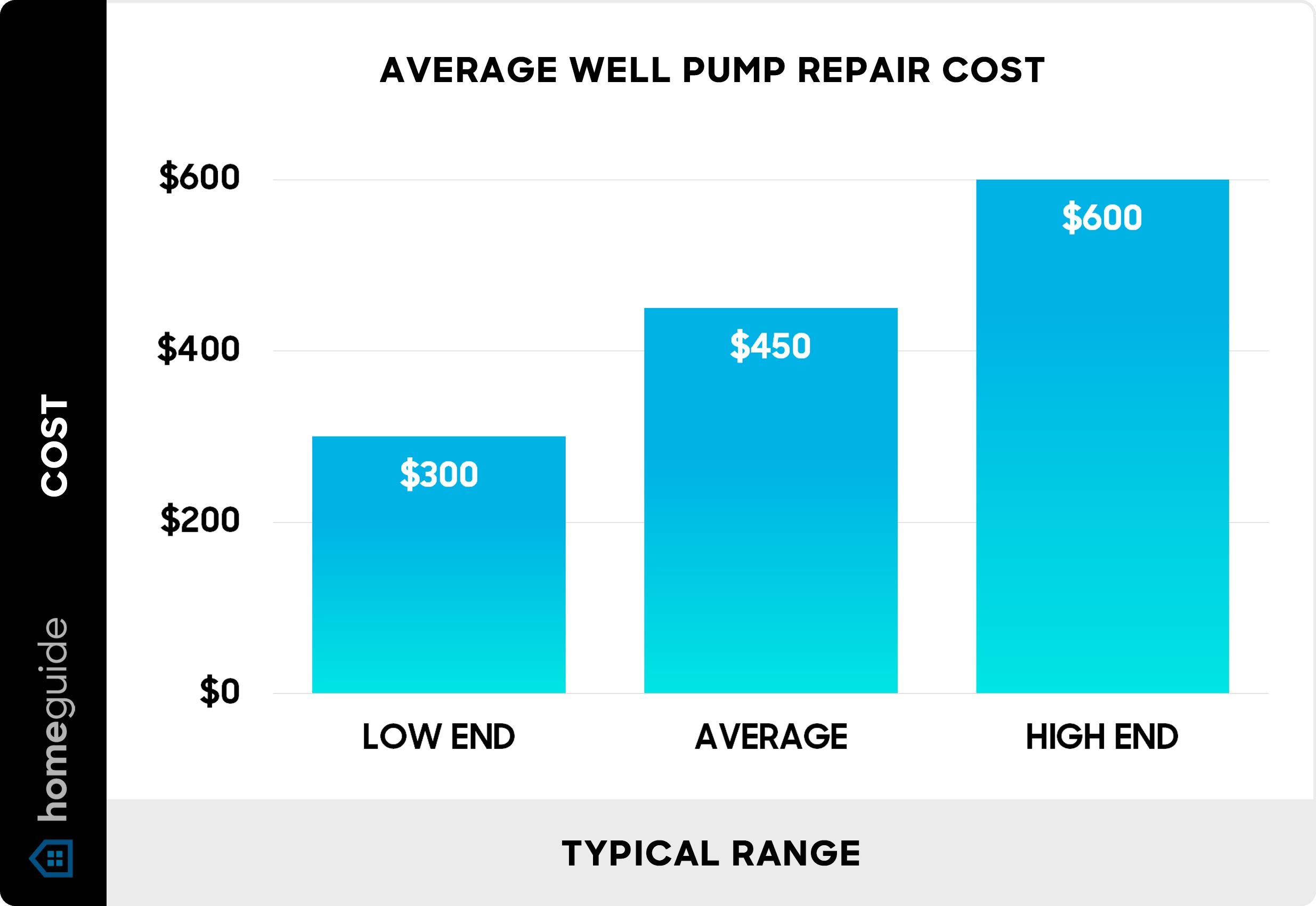
- Pressure Tank: Often replaced alongside the pump if it’s old or failing.
- Wiring: Old or corroded wiring can compromise your new pump.
- Pipes/Plumbing: Connections might need updating or repair.
- Well Casing Issues: Rarely, a problem with the well casing itself might be discovered.
It's always a good idea to factor in a little extra for the "just in case" fund. As the saying goes, "It's always something!"
Smart Moves for Savvy Well Owners
While a well pump replacement isn't usually a DIY job (it involves high voltage electricity and heavy lifting in confined spaces – best left to the pros!), there are things you can do to manage the process like a pro:
- Ask About Warranties: Both for the new pump and the installation labor. A good warranty offers peace of mind.
- Quality Over Cheapest: A slightly more expensive, higher-quality pump often translates to better efficiency and a longer lifespan. This isn't the place to penny-pinch.
- Consider a Service Contract: Some companies offer maintenance plans that can help you catch issues early.
- Keep Records: Know your well's depth, pump type, and installation date. This information is gold for technicians.
The Takeaway: Peace of Mind Flows Freely
At the end of the day, understanding your well pump and its potential replacement costs is about feeling secure in your own home. It’s about ensuring that life’s simple pleasures – that morning coffee, that invigorating shower – remain uninterrupted. Your well pump is an invisible hero, working tirelessly beneath your feet. A little knowledge about its mechanics and maintenance can ensure a steady, reliable flow of water, giving you one less thing to worry about and one more reason to appreciate the sweet simplicity of home.