
Watt To Kilowatt Per Hour

Hey there, energy explorer! Ever stare at your electricity bill and feel like it’s written in some ancient, mystical language? Or maybe you’ve heard terms like “watts” and “kilowatts per hour” tossed around and just nodded sagely, pretending to understand?
Well, dust off your imaginary decoder ring because we’re about to unravel the mystery of Watt to Kilowatt Per Hour in a way that's actually, dare I say it, fun! No complicated equations, I promise. Just good old chat, friend to friend.
First Up: What's a Watt (W)?
Think of a Watt (W) as the muscle power an appliance needs to do its job right now. It's like asking, "How hard is this thing working at this very moment?"
Must Read
Imagine your favorite lightbulb. A small LED might be 9 Watts. A beefy hairdryer? That could be 1500 Watts! So, a Watt is simply a unit of power. The higher the Watt number, the more power it's gulping down at any given instant.
It’s a bit like measuring the horsepower of a car. It tells you how powerful it is, but not how far it’s gone or how long it’s been running, right?
Stepping Up: The Kilowatt (kW)
Now, sometimes Watts get a bit too small to talk about bigger things, like your entire house's consumption or a giant air conditioner. That's where the Kilowatt (kW) swoops in, cape flapping dramatically!
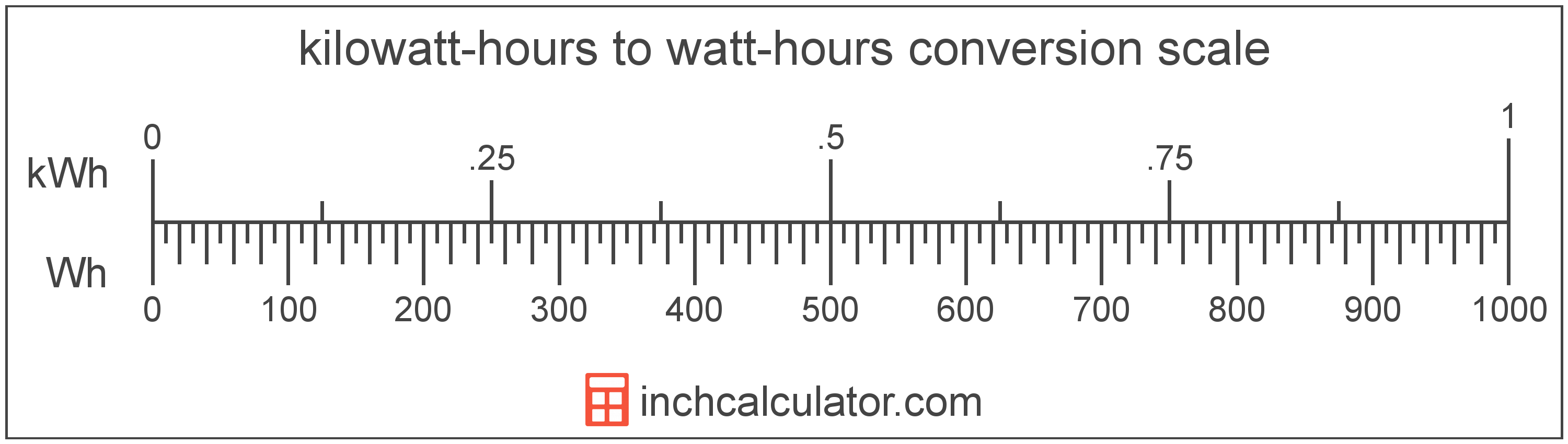
The "kilo" part is super friendly – it just means a thousand. So, 1 Kilowatt (kW) = 1000 Watts (W).
It’s like saying 1000 grams is 1 kilogram. We use kilograms for heavier stuff to avoid dealing with really long numbers. Same idea here! Instead of saying your electric oven uses 2500 Watts, we just say it uses 2.5 Kilowatts. Much snappier, don't you think?
The Plot Twist: It's Not "Per Hour," It's Kilowatt-Hour (kWh)!
Okay, here’s where a lot of people (myself included, initially!) get a little muddled. You often hear "kilowatt per hour," but the star of the show for your electricity bill is actually the Kilowatt-hour (kWh). Notice that tiny but mighty hyphen? It makes all the difference!
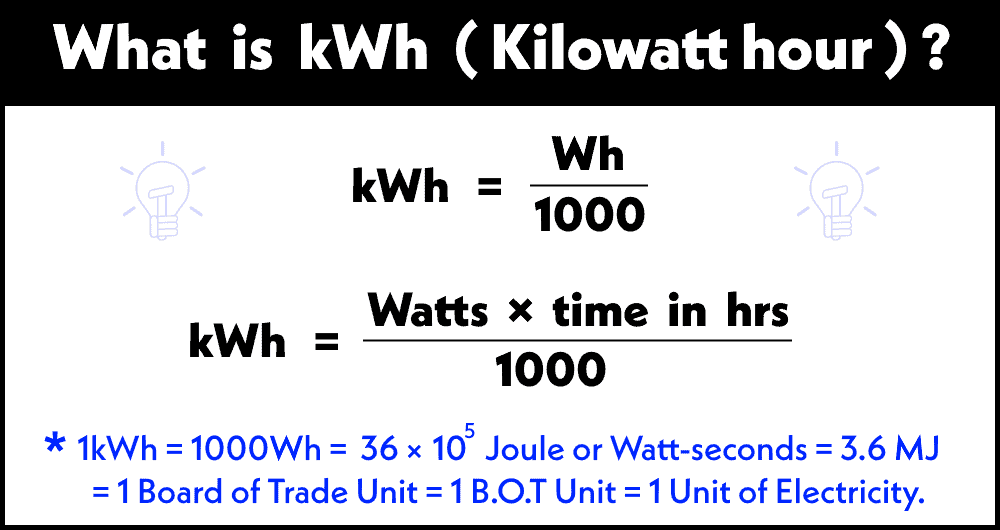
Watts and Kilowatts tell us about power. But your electricity company doesn't bill you for how powerful your toaster is; they bill you for how much energy you actually use over time. And that, my friend, is where the "hour" part kicks in.
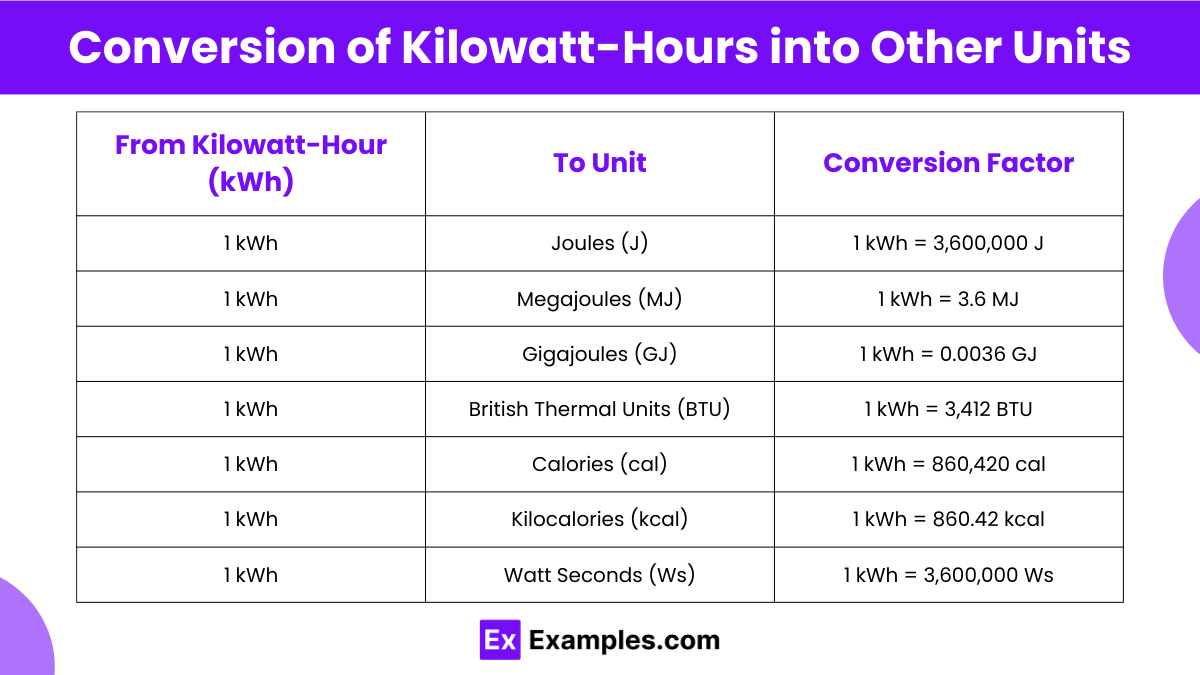
A Kilowatt-hour (kWh) is a measure of energy consumption. It's essentially saying, "How much energy did this 1 kW appliance use if it ran for 1 hour?"
- If your 1 kW (or 1000 W) microwave runs for 1 hour, it's used 1 kWh of energy.
- If your 0.5 kW (or 500 W) TV runs for 2 hours, it's also used 1 kWh of energy!
See? It’s not about how powerful it can be, but how much power it actually used over a period of time. Think of it like this: your car's speedometer shows miles per hour (power), but the odometer shows total miles traveled (energy used).
Why Should You Even Care About This?
Beyond impressing your friends at your next trivia night, understanding kWh is your secret weapon for a few awesome reasons:
1. Understanding Your Bill: Your electricity bill charges you per kWh. Now you can look at that number and actually get a sense of what you're paying for! No more squinting and shrugging.
2. Saving Money: When you know how many kWh your appliances gobble up, you can make smarter choices. That old fridge might be a silent kWh muncher, while a new energy-efficient one could save you a bundle over time. It's like finding hidden treasure, but for your wallet!
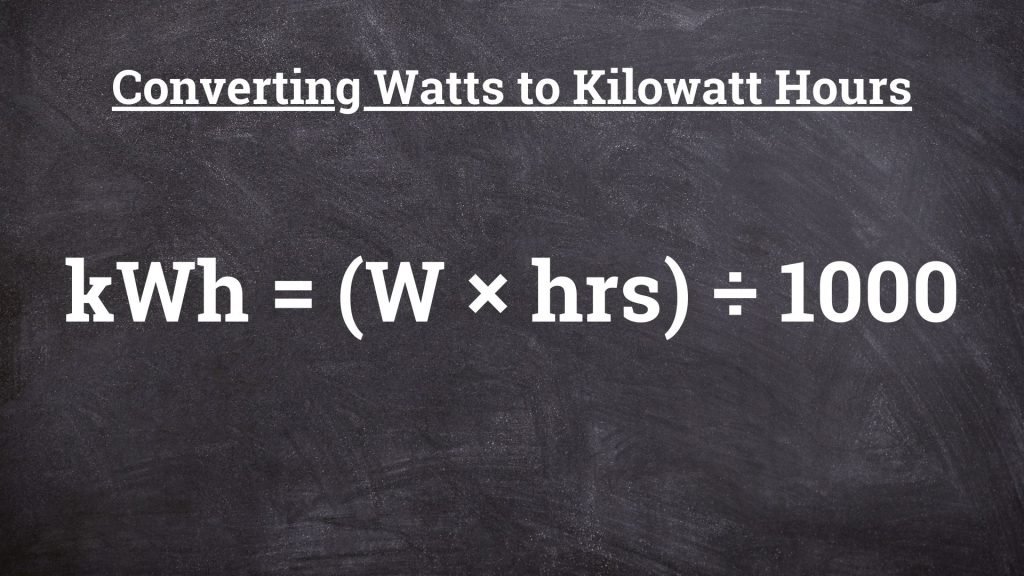
3. Being an Energy Guru: You're no longer just a passive consumer. You're empowered! You can estimate the cost of running certain appliances, make conscious decisions about turning things off, and even feel a little bit smug about your newfound wisdom.
The Uplifting Conclusion!
So there you have it! From a little Watt of power to the mighty Kilowatt, and finally to the all-important Kilowatt-hour that actually counts on your bill. It’s not rocket science; it's just understanding how your home’s power dance works.
You’ve just unlocked a new level of adulting, my friend! Give yourself a pat on the back. Knowing this stuff not only helps you manage your budget better but also makes you a more informed and conscious energy user. Go forth and conquer your power bill, one smart decision at a time! You're brilliant, and your wallet (and maybe even the planet) will thank you for it. Keep shining!