
Was Electricity Invented Or Discovered
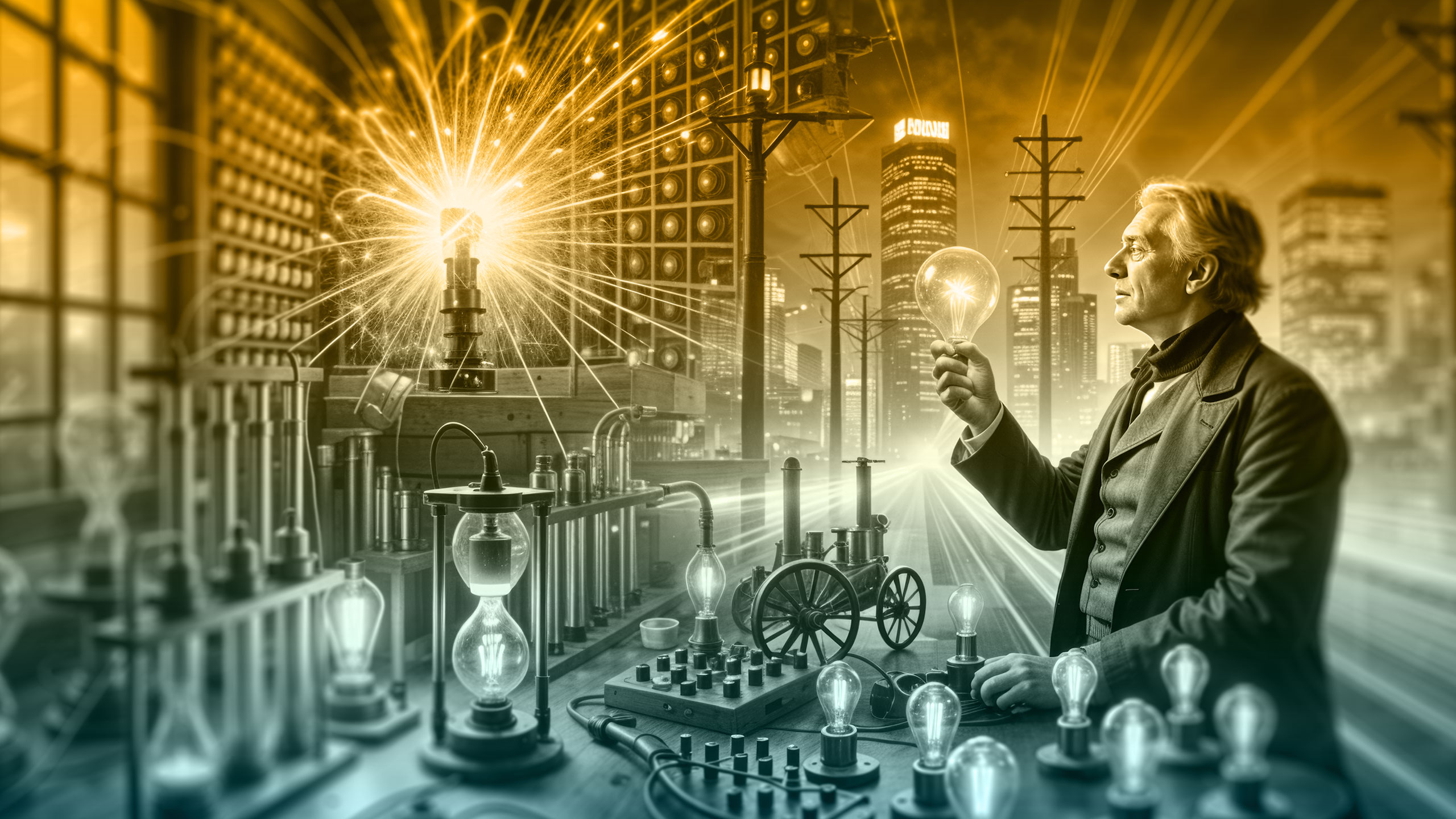
Alright, let's talk about something that powers pretty much everything in our modern lives: electricity! It's in your phone, your lights, your fridge, even the device you're reading this on right now. But have you ever stopped to think about its origin story? Was electricity, this incredible force, actually invented, or was it something we merely discovered?
It’s a super cool question, and honestly, it’s not as straightforward as it might seem. Let’s dive into it with a chill, curious mindset, shall we?
The "Discovery" Angle: It Was Always There!
Think about it like this: gravity wasn't "invented," right? Sir Isaac Newton didn't create the force that pulls apples from trees. He discovered and described it. In a similar vein, many would argue that electricity falls into the discovery camp.
Must Read
Long before any scientist had a lightbulb moment (pun absolutely intended!), electricity was doing its thing. Lightning bolts have been zapping across the sky since forever, showcasing a raw, untamed version of electric power. Early humans probably witnessed these incredible spectacles and thought, "Whoa, that's powerful!"
And it wasn't just in the sky! Ancient Greeks, around 600 BC, noticed something fascinating. If you rubbed a piece of amber (fossilized tree resin) with a cloth, it would attract light objects like feathers or hair. This was an early encounter with static electricity. The Greek word for amber? Elektron! See where this is going?
Even certain fish, like electric eels or rays, were known to deliver shocks. People observed these phenomena and felt their effects, but they didn't create them. They were simply experiencing a natural force of the universe. So, in this sense, electricity was definitely there, just waiting for us to figure it out. It was a property of nature, like magnetism or heat, just waiting to be unearthed.
You could say that electricity is like a mountain. You can explore it, climb it, even build a lodge on it, but you didn't invent the mountain itself. The raw, fundamental force of electricity existed independently of human interaction.
The "Invention" Angle: Making It Do Our Bidding!
Okay, so the natural phenomenon of electricity was discovered. But what about the electricity that lights up our homes and charges our gadgets? That, my friends, is where the "invention" part truly shines!
Think of it like this: gold exists naturally in the ground – that's a discovery. But a beautiful gold ring, crafted for adornment? That's an invention, a creation that uses the discovered material in a new, useful way.
Humans, being the clever problem-solvers we are, didn't just stop at observing lightning or rubbing amber. We wanted to understand it, control it, and most importantly, make it work for us. And that's where the parade of brilliant inventors comes in!
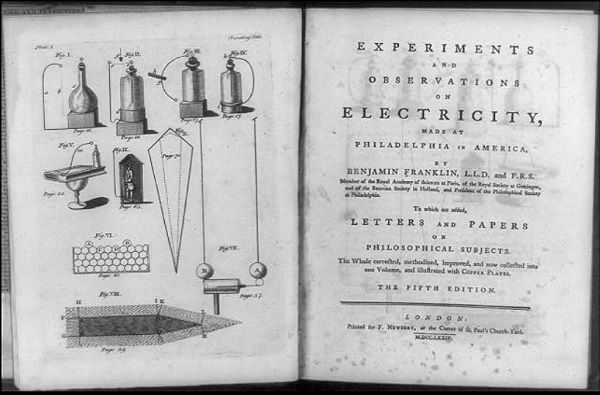
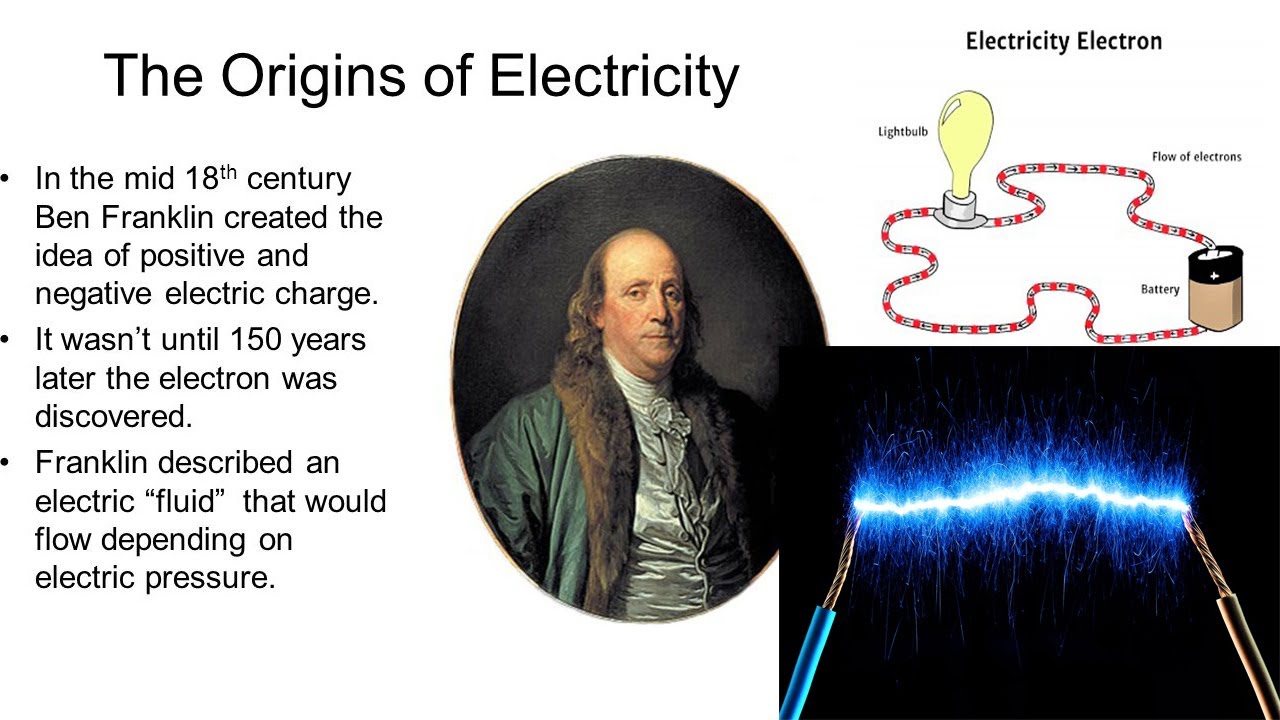
People like Benjamin Franklin, with his famous kite experiment (though maybe don't try that at home!), helped us understand lightning and electricity better. Luigi Galvani and Alessandro Volta started figuring out how to create and store electricity, leading to the invention of the battery – a way to produce a continuous flow of electric current. Now that’s a game-changer!
Then came the true titans of electrical application: Thomas Edison and his quest for a practical, long-lasting lightbulb, and Nikola Tesla, who pioneered the alternating current (AC) system that delivers electricity to our homes safely and efficiently over long distances. These weren't just discoveries; these were monumental inventions! They took a natural force and engineered ways to harness it, direct it, and transform our world.

Without the invention of dynamos, generators, transformers, and countless other devices, electricity would remain largely a wild, untamed force. It would still be discovered, but it wouldn't be powering your coffee maker. The systems, the tools, the applications – those are all incredible human inventions.
So, What's the Verdict?
Drumroll, please! The most satisfying answer is often the most nuanced one: electricity was both discovered and invented.
The fundamental force itself, the natural phenomenon that sparks in the sky and zaps from an eel, was discovered. It was always there, a core part of the universe's physics, patiently waiting for inquisitive minds to notice it.
/GettyImages-538349053-58f845a25f9b581d59cf5213.jpg)
But the useful applications of electricity, the complex systems that bring light to our darkest nights and power to our busiest days – those were absolutely invented. Humans designed the ways to generate it, transmit it, and transform it into the countless conveniences we now take for granted.
It’s a beautiful dance between nature's laws and human ingenuity, isn't it? We discovered a raw, powerful ingredient, and then we invented all the amazing recipes to make it palatable and powerful for our daily lives.
Next time you flip a light switch or charge your phone, take a moment to appreciate this dual nature of electricity. It's a testament to both the wonders of our natural world and the incredible, persistent curiosity of the human spirit. Pretty cool, huh?