Utility Rates By Zip Code
Ever found yourself scrolling through listings for a new home, only to realize you're not just comparing square footage and backyard sizes, but also a hidden cost that can dramatically impact your monthly budget? Welcome to the fascinating world of utility rates by zip code! It might not sound like a thrilling roller coaster ride, but understanding how these rates vary can be incredibly empowering, saving you a substantial chunk of change over time. Think of it as a financial detective story, where your mission is to uncover the best value for essential services like electricity, gas, and water. It's a topic that's incredibly useful for everyone, from first-time renters to seasoned homeowners, and its popularity stems from one universal truth: everyone loves to save money!
So, who benefits from diving into this seemingly mundane topic? For beginners, like those embarking on their first apartment hunt or buying their initial home, understanding utility rate variations is absolutely crucial for creating a realistic budget. It helps prevent those dreaded "bill shock" moments and ensures you're not unknowingly signing up for sky-high energy costs. For families, managing household expenses is a constant juggle, and knowing which areas offer more favorable rates can literally influence decisions on where to settle down, freeing up funds for other important things like education or recreation. Even for hobbyists, perhaps those into smart home technology or sustainable living, comparing rates across zip codes can inform decisions on energy-efficient upgrades or even inspire a deeper dive into local energy policies. It transforms a basic necessity into a powerful tool for financial planning and informed living.
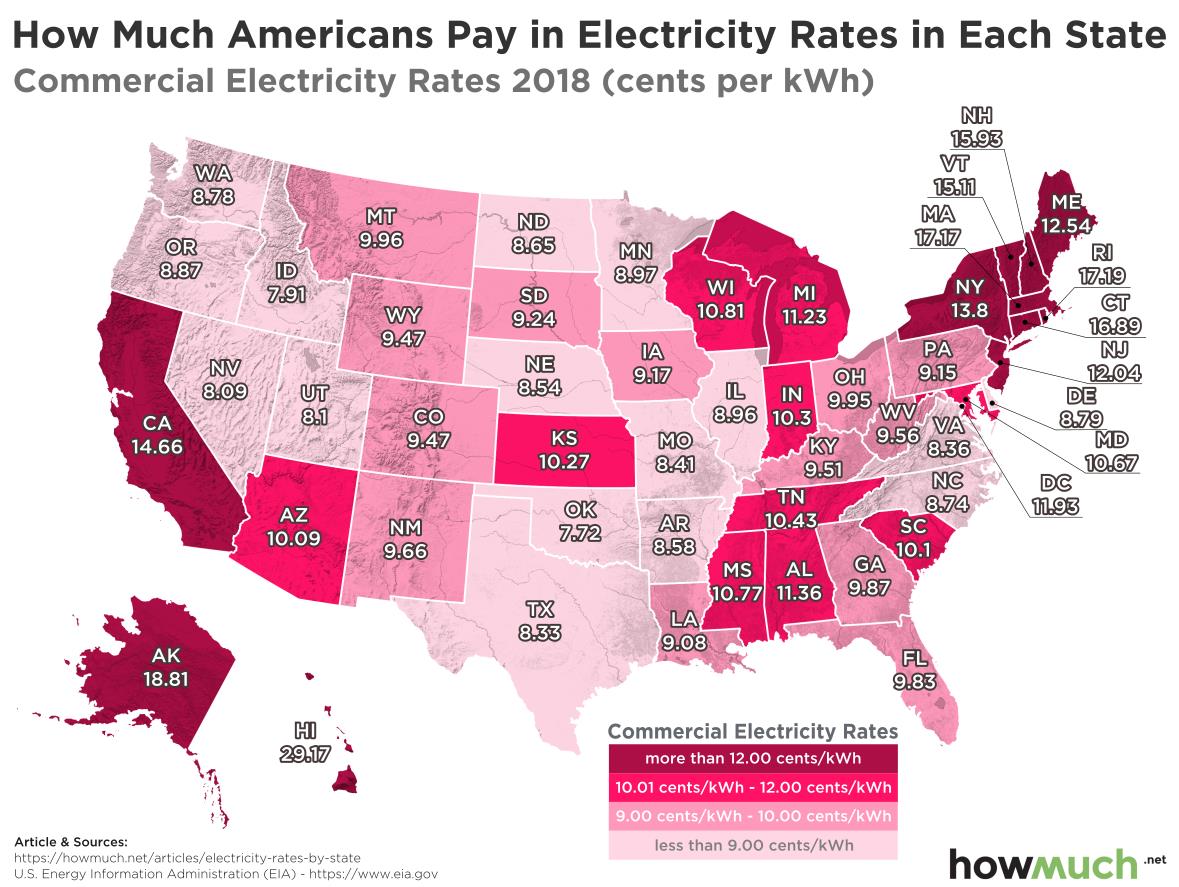
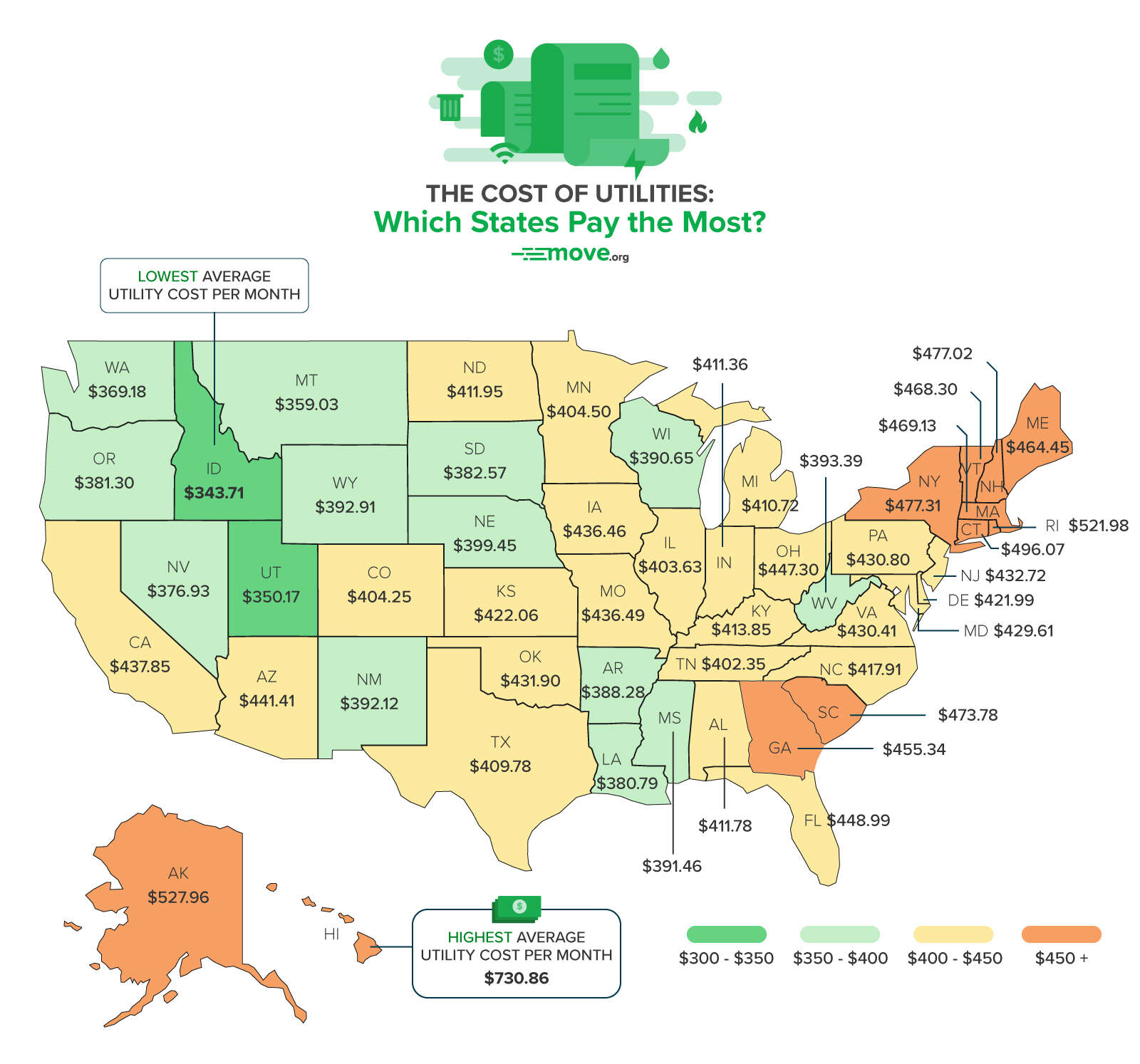
The variations in utility rates can be surprisingly diverse. You might discover that just a few miles down the road, in a different zip code, electricity rates are significantly lower because a different power provider services that area, or perhaps the local municipality has negotiated a better deal. It's not just about electricity, either! Natural gas, water, internet, and even trash collection services can all have different providers and pricing structures depending on your exact location. Some states have "deregulated" electricity markets, meaning you might even have a choice of electricity providers within the same zip code, each offering different plans and incentives. Other areas might have fixed rates due to municipal ownership or strict state regulations. These differences are often influenced by local infrastructure costs, population density, and regional energy sources, making each zip code a unique case study.
Must Read
Ready to become a utility rate sleuth? Getting started is easier than you think. First, identify the major utility providers for a specific area – a quick online search for "utility companies [zip code]" usually does the trick. Many utility company websites have a dedicated section where you can enter a zip code or even a specific address to get estimated rates or view service options. Don't be shy about calling their customer service line for a more personalized quote, especially if you can provide an estimate of your expected usage. Another smart tip is to ask locals! Online community forums or social media groups for a specific neighborhood can be a goldmine of information, offering anecdotal evidence and direct recommendations. Always remember to factor in potential connection fees, taxes, and other hidden charges, not just the per-unit rate, to get a truly accurate comparison.
In conclusion, while "utility rates by zip code" might not sound like the life of the party, understanding this topic can truly empower you to make smarter financial decisions. It's about being an informed consumer, gaining control over your monthly expenses, and finding hidden pockets of savings. The satisfaction of knowing you're getting the best value for your essential services is a reward in itself, proving that sometimes, the most useful insights come from looking closely at the details that others might overlook.