
User Manual For Honeywell Alarm System
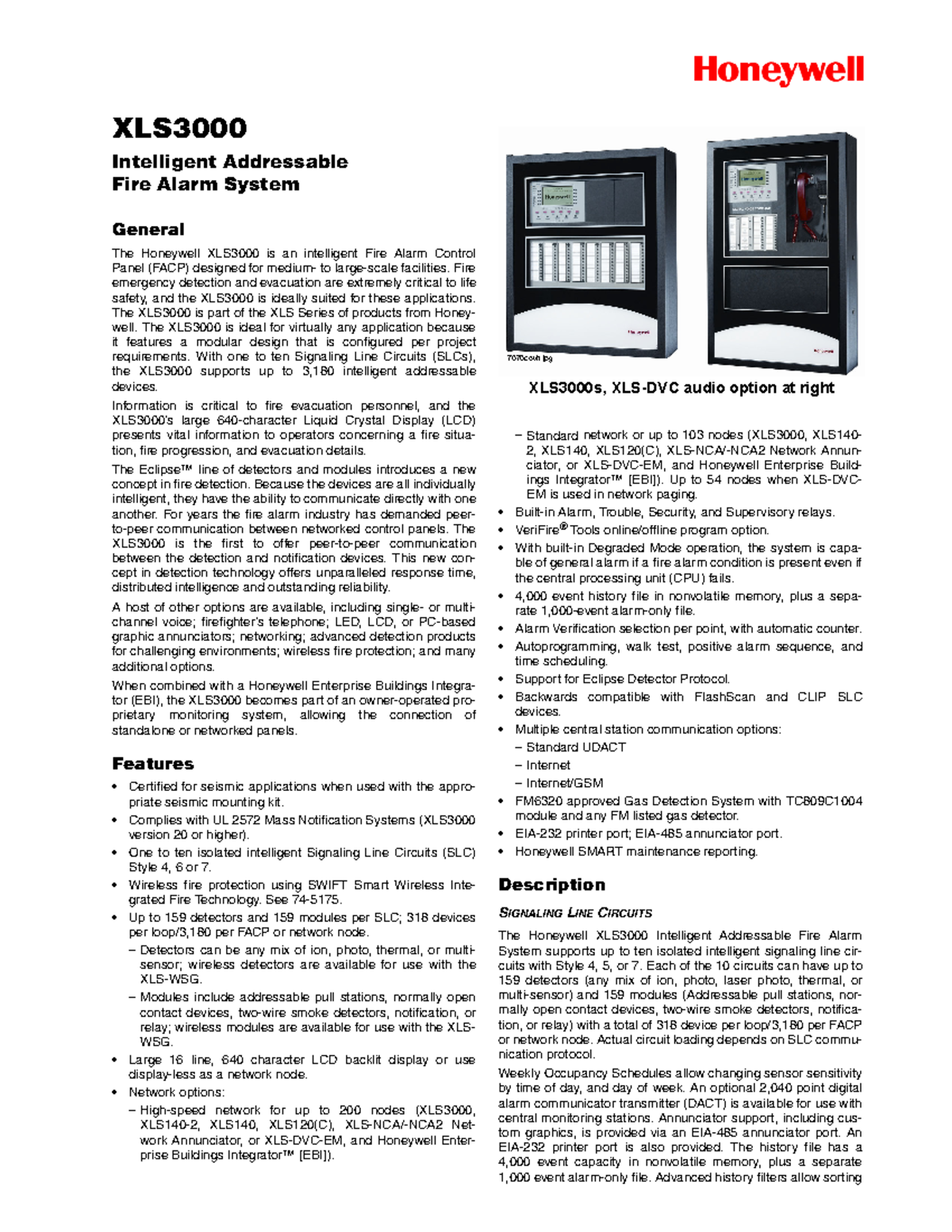
In our bustling, always-on world, finding little pockets of peace and security feels like striking gold. We curate our playlists, personalize our coffee orders, and even optimize our morning routines. So why should our home security system be any different? Forget the intimidating thick manuals; let’s dive into making your Honeywell alarm system a seamless, stress-free part of your modern sanctuary. Think of this as your friendly, easy-breezy guide to a more secure and serene home life.
Hello, Peace of Mind! Getting Started with Your Honeywell Pal
You’ve got a Honeywell system, which means you’ve already invested in one of the most reliable names out there. It’s less a fortress guardian and more like that super-organized friend who always has your back. The first step? Getting acquainted! Don't feel like you need a degree in electrical engineering. Most Honeywell systems are designed for intuitive use, much like your favorite smart device.
Start with the basics: your master code. This is your VIP pass, your secret handshake with the system. It's usually a 4-digit number. If you haven't changed it from the default, now's a good time to make it something memorable, but not too obvious (sorry, birthday year). Think of it like setting a good password for your digital life, but for your physical space.
Must Read
Fun Fact: Did you know the concept of a "burglar alarm" dates back to the mid-19th century? Augustus Russell Pope invented an electromagnetic alarm in 1853 – a far cry from today's sleek Honeywell systems, but the core idea of protection remains!
Your Daily Ritual: Arming and Disarming with Grace
Integrating your alarm into your day should feel as natural as brewing your morning coffee. Most systems offer a few arming modes: Stay, Away, and sometimes Night.
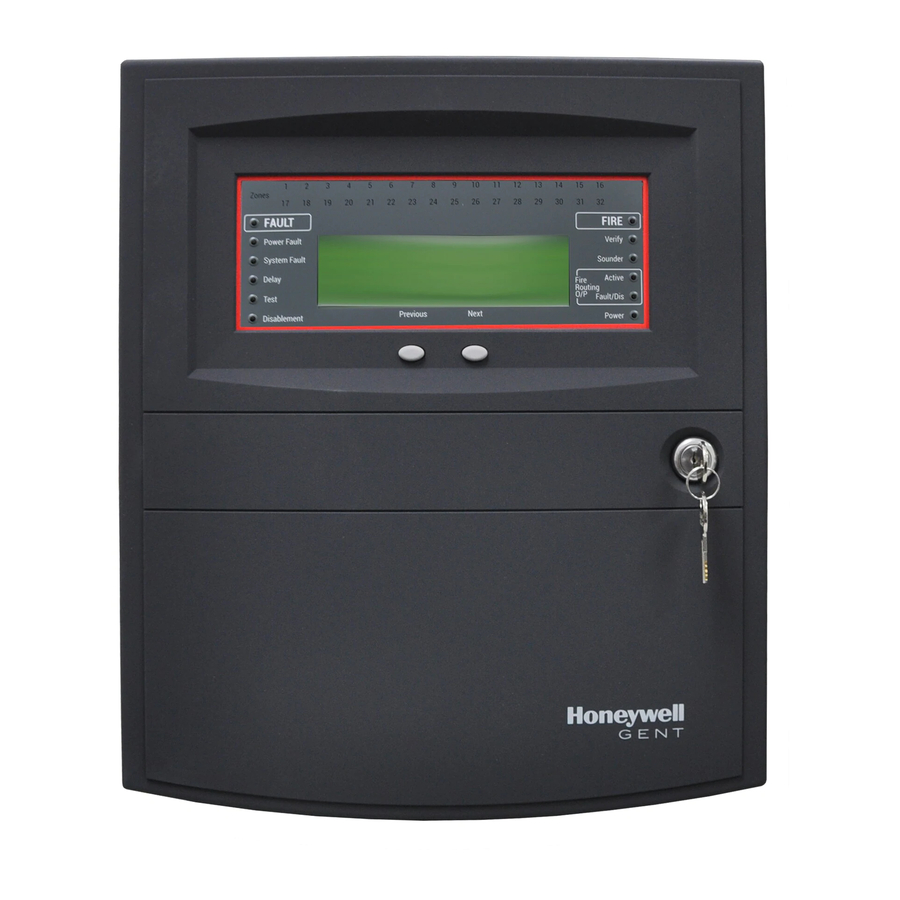
- Stay Mode: Perfect for when you're home but want to secure the perimeter – think doors and windows. Your motion sensors won’t trigger if you're wandering around inside, grabbing a midnight snack or watering your houseplants.
- Away Mode: This is your full-protection mode. Every sensor, including motion detectors, is active. Use this when you're heading out for work, a weekend getaway, or even just a quick trip to the grocery store.
- Night Mode: Some systems offer this, often similar to "Stay" but perhaps with specific zones armed to protect while you sleep soundly.
The key is consistency. Make arming your system a habit, like locking your front door. A quick press of a button, a reassuring chime, and you’re good to go. Disarming is just as simple: enter your master code, and poof, your home is ready to welcome you back.
Pro Tip: Practice! Seriously. Run through arming and disarming a few times when you're not in a rush. It builds muscle memory and helps you feel more confident in a pinch.
Beyond the Beeps: Exploring Extra Features
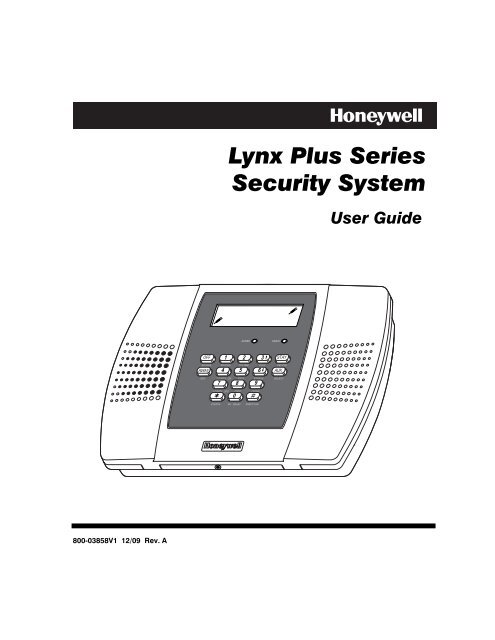
Your Honeywell system is likely smarter than you think. Many come with an array of capabilities that add layers of convenience and security.
Do you have a panic button? Usually, two specific keys pressed simultaneously (like F and 1, or A and B) can trigger a silent or audible alarm, instantly notifying your monitoring station. This is for emergencies, so know where it is and what it does, but hopefully, you'll never need it. It’s like having a superhero button, just in case.
Consider user codes. You can often set up unique codes for family members, pet sitters, or trusted friends. This allows you to track who comes and goes (if your system has event logging) and easily delete access if needed. It's like giving out temporary keys, but without the hassle of actual metal.

Many modern Honeywell systems can also integrate with smart home platforms, letting you arm/disarm from your phone, get real-time alerts, or even link with smart lighting. Imagine arriving home and your lights automatically turn on as you disarm the system – that's 21st-century living!
The Gentle Nudge: What to Do About Those Pesky Low Battery Warnings
No machine is completely maintenance-free, not even your trusty Honeywell. The most common "issue" you'll encounter is a low battery warning on a sensor or the main control panel. Don't panic! This isn't an emergency; it's a polite heads-up from your system that it's time for a little TLC.
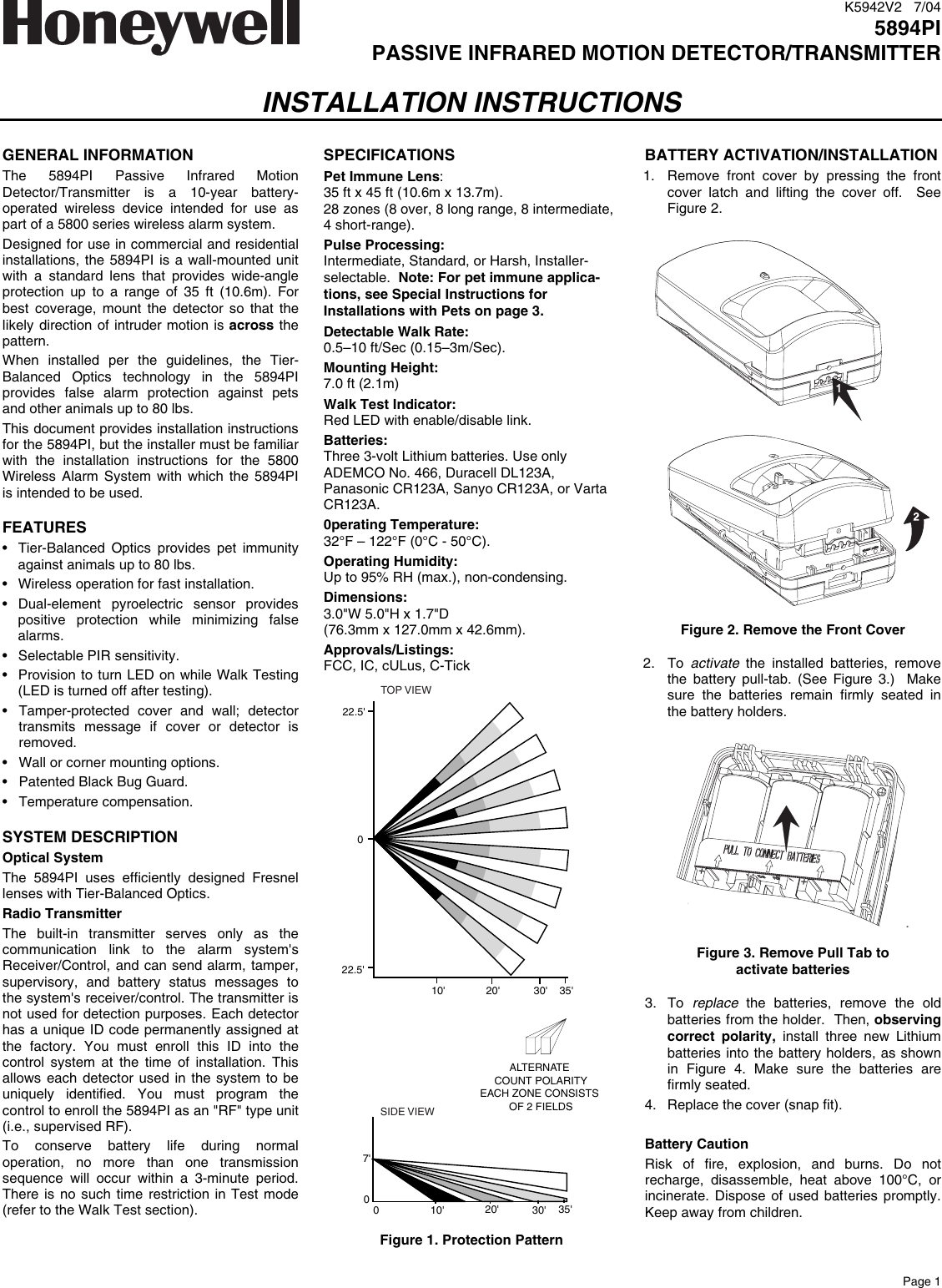
When you see a "Low Bat" message, simply identify the zone or sensor, grab the correct replacement battery (usually AA, AAA, or CR123A for wireless sensors), and swap it out. It’s often as easy as changing a TV remote battery. You might need a small screwdriver, but it’s definitely a DIY-friendly task.
Cultural Reference: Just like your phone nagging you for a charge, your alarm system is merely looking out for itself – and by extension, you!
Your Home, Your Haven
Ultimately, your Honeywell alarm system is more than just wires and sensors. It's a tool designed to give you one less thing to worry about. In a world full of notifications and demands, having a secure space allows you to truly relax, recharge, and be present in your own life. Mastering its use means reclaiming a bit of that precious mental real estate, letting you focus on the joys and adventures that await, knowing your haven is protected. So, go forth, embrace your Honeywell system, and enjoy the beautiful peace of mind it brings.