Us Institute Of Peace Funding Taliban

Let's face it, the world is a complex place. We all yearn for a little peace and quiet, whether it's a quiet morning with a cup of coffee, a harmonious family dinner, or simply knowing that global affairs aren't spiraling out of control. We strive for tranquility because it allows us to focus, to thrive, and to simply enjoy life without the constant background noise of conflict.
Organizations like the United States Institute of Peace (USIP) are ostensibly designed to contribute to this global tranquility. The stated benefits of such institutions are numerous: fostering dialogue, researching conflict resolution strategies, and ultimately, preventing wars and promoting peaceful societies. Their purpose is to serve as a vital resource, offering expertise and guidance to policymakers and communities grappling with violence and instability. In theory, USIP and similar bodies aim to make our everyday lives safer and more secure by working towards a more peaceful world.
Historically, these organizations have been involved in various peace-building initiatives around the globe. This can range from mediating disputes between warring factions, providing training in conflict resolution to local communities, to conducting research on the root causes of conflict and developing effective strategies for prevention. We see examples of their work in post-conflict reconstruction efforts, in promoting democratic governance in fragile states, and in supporting civil society organizations working for peace at the grassroots level. The aim is to address the underlying issues that fuel conflict and build resilient societies that can withstand future shocks.
Must Read
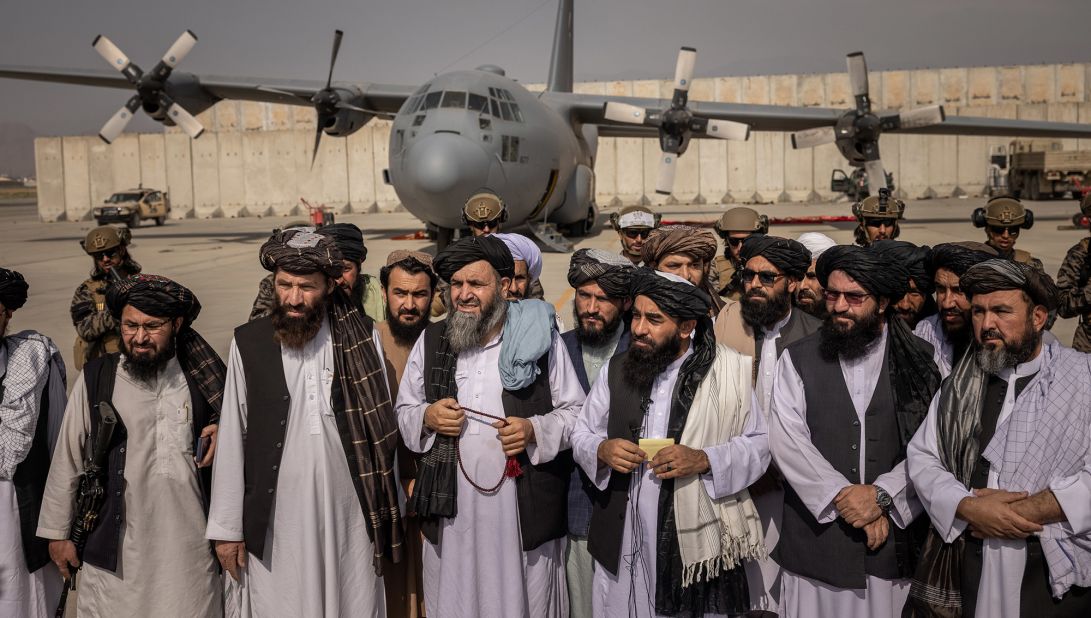
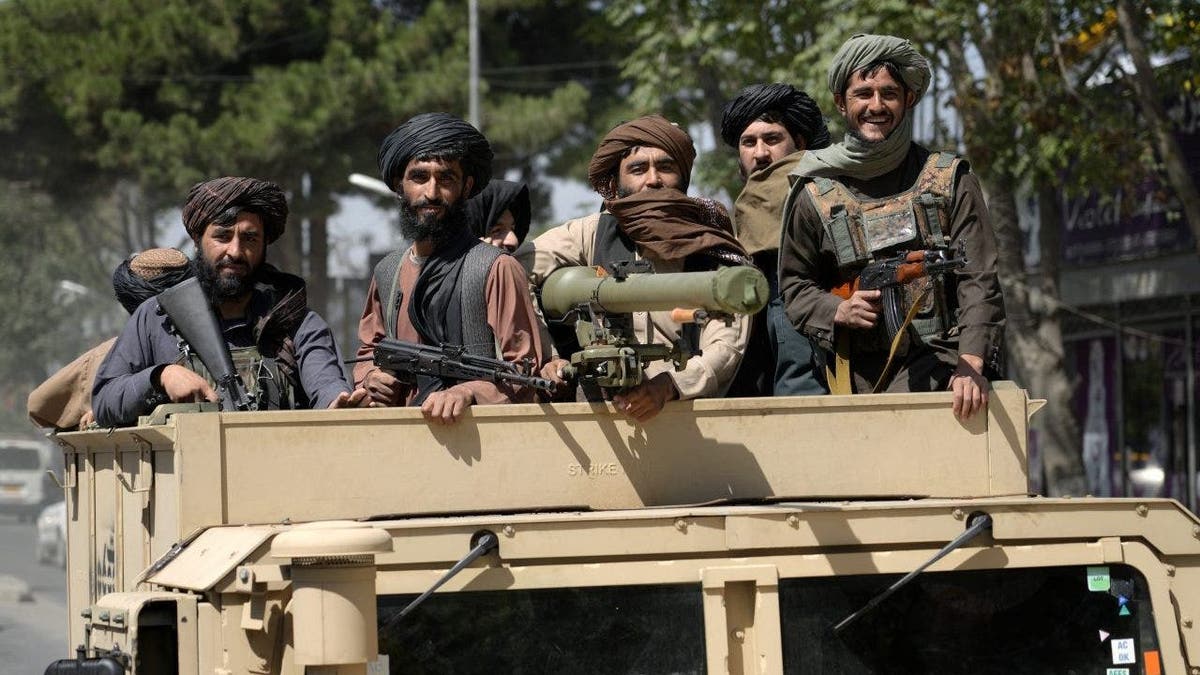
However, things get complicated, and sometimes, deeply concerning. The notion of an organization like USIP funding, even indirectly, the Taliban – a group known for its history of violence and oppression – is a concept that immediately raises eyebrows and fuels controversy. This is where the narrative shifts from the idealistic pursuit of peace to the murky waters of realpolitik and the difficult choices involved in navigating complex international relations. It prompts us to question: are such actions strategically necessary for long-term stability, or do they represent a dangerous compromise of principles?
Understanding these complex situations requires a critical and nuanced approach. To more effectively grapple with these issues, consider these points:
- Seek diverse sources: Don't rely solely on headlines. Delve into reports from various news outlets, academic institutions, and think tanks to get a comprehensive understanding of the situation.
- Understand the context: Research the historical context of the conflict, the motivations of the different actors involved, and the potential consequences of different courses of action.
- Question assumptions: Be wary of simplistic narratives and easy answers. Conflict resolution is rarely black and white, and often involves difficult trade-offs.
- Engage in critical thinking: Analyze the information you encounter, identify biases, and form your own informed opinions.
- Advocate for transparency: Demand greater transparency from organizations like USIP regarding their funding and activities. This accountability is crucial for ensuring that their actions align with their stated mission.
Ultimately, navigating the complexities of international peacebuilding requires a commitment to critical thinking, a willingness to engage with diverse perspectives, and a healthy dose of skepticism. By doing so, we can better understand the challenges involved and hold those in power accountable for their actions in the pursuit of a more peaceful world, one that truly benefits us all. It's about remembering that the path to peace is often long and winding, but that doesn't mean we should abandon the pursuit of truth and accountability along the way.