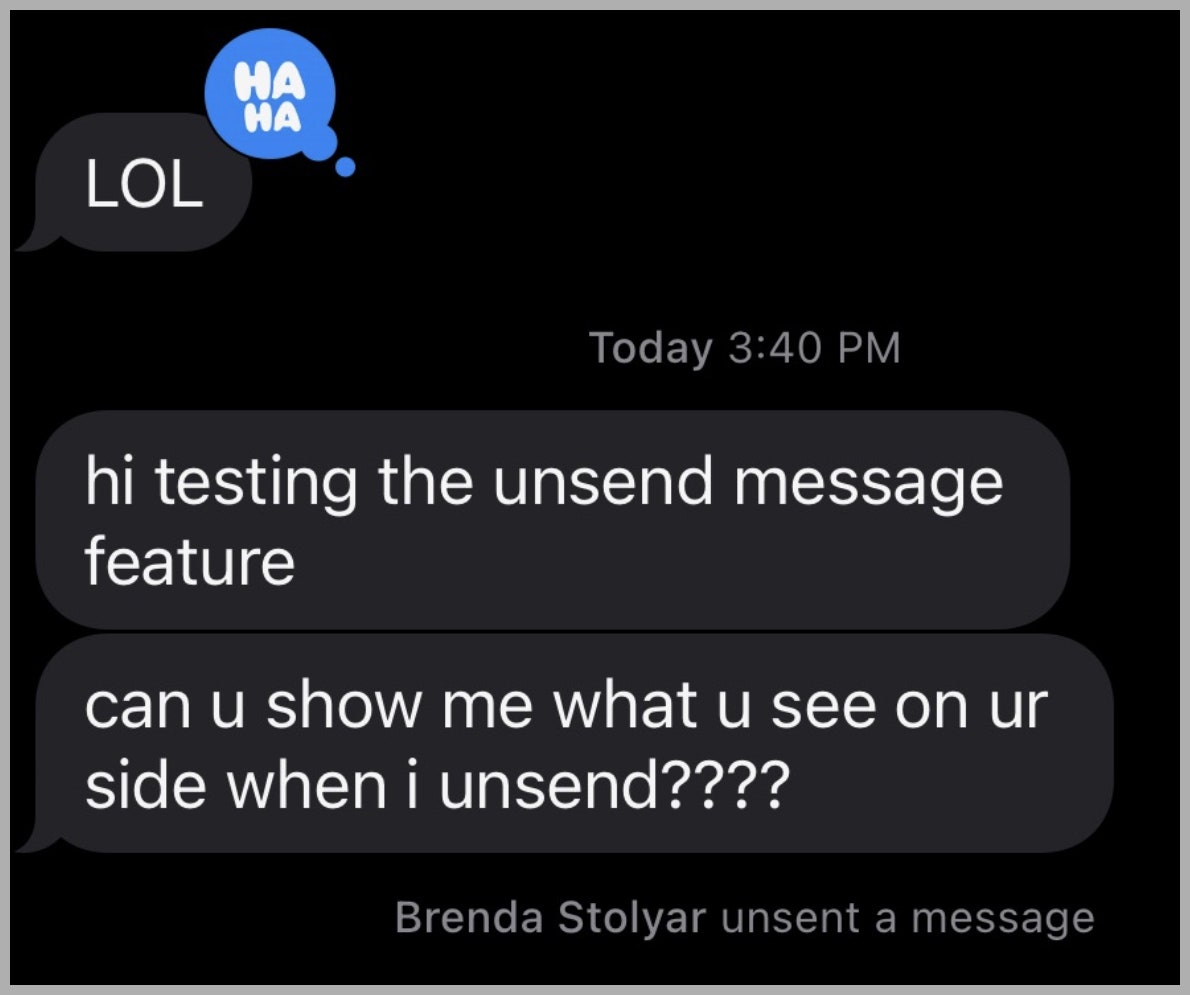
Unsent Messages To Shelby

We've all been there. Staring at a screen, thumbs hovering, crafting the perfect message... that never gets sent. Maybe it's a bold declaration of love, a sharp-tongued retort, or a simple "Thinking of you." Whatever it is, it stays trapped in the digital ether, a ghost of communication. Today, we're diving into the world of unsent messages, specifically, those addressed to "Shelby." What are these digital echoes, and what do they say about us?
The phenomenon isn't new. Think of all the letters left unmailed throughout history – declarations of war, tearful apologies, secret crushes scribbled on parchment and tucked away in dusty drawers. Now, our modern equivalent resides in the drafts folders of our phones. But why Shelby? Maybe she's a past love, a current frustration, or simply a figment of our digital imagination.
The Anatomy of an Unsent Message
Unsent messages often fall into a few distinct categories:
Must Read
- The "Burning Bridges" Blast: Fueled by anger or hurt, these messages are designed to inflict maximum emotional damage. Think of them as digital Molotov cocktails, best left unlit.
- The "Longing Lament": Dripping with nostalgia and regret, these missives pine for what once was, often romanticizing the past. Cue the Adele soundtrack.
- The "Vulnerable Confession": These are the hardest. They expose our rawest feelings, our hopes, and our fears. Sending them feels like jumping off a cliff. Not sending them? A slow, silent suffocation.
- The "Practical Placeholder": Sometimes, it's just a reminder – "Shelby, don't forget the milk!" – that never made it out of the Notes app. Harmless, yet still a part of the digital story.
Why do we write these messages if we never intend to send them? The answer is catharsis. Writing allows us to process our emotions, vent our frustrations, and clarify our thoughts. It's a form of digital journaling, a way to exorcise our inner demons (or at least, politely ask them to leave).
Decoding the "Shelby" Factor
Okay, let's get specific. What could these unsent messages to Shelby be about? Here are a few speculative scenarios, laced with a bit of pop culture:

- The Breakup Blues: Maybe Shelby ghosted them (a very 21st-century heartbreak). The unsent message might be a desperate plea for closure, a "Why, Shelby, WHY?!" moment worthy of a dramatic monologue.
- The Unrequited Love: Perhaps Shelby is oblivious to their affections. The message could be a carefully worded declaration of love, sitting unread, like a digital version of Say Anything's boombox moment... without the boombox.
- The Workplace Woes: Maybe Shelby is a difficult colleague. The unsent message could be a scathing critique of her management style, carefully crafted to avoid HR repercussions. Think Office Space, but on a smartphone.
- The Friendship Fallout: Perhaps a misunderstanding led to a rift. The message could be an olive branch, extended in digital form, hoping for reconciliation. A modern-day digital peace treaty.
Tip: If you find yourself drafting a particularly scathing unsent message, try the "pause and reflect" technique. Walk away, take a deep breath, and ask yourself: "What am I really trying to achieve here?" Often, you'll find a more constructive way to communicate your feelings... or decide that silence is, indeed, golden.
The Art of Letting Go (Digitally)
So, what do we do with these digital ghosts? Should we delete them, forever erasing them from our digital history? Or should we keep them, as a reminder of our past selves?

There's no right answer. Some people find comfort in rereading these messages, gaining perspective on their emotional journey. Others prefer to wipe the slate clean, leaving the past behind. Consider it a digital decluttering exercise.
Fun Fact: Did you know that the average smartphone user sends and receives over 80 texts per day? That's a lot of potential for unsent messages!
Ultimately, the key is to learn from these digital near-misses. Unsent messages are a valuable source of self-reflection. They show us what we're feeling, what we're afraid of, and what we truly desire. By understanding these hidden messages, we can become better communicators, better partners, and better versions of ourselves.
Reflection: The next time you find yourself crafting an unsent message, take a moment to pause and consider what it's really telling you. Is it a signal that you need to have a difficult conversation? Or is it simply a sign that you need to process your emotions in a healthy way? Embrace the power of the unsent, and use it as a tool for growth and self-discovery. Because sometimes, the most important messages are the ones we keep to ourselves... at least, for a little while.