University Of Chicago Msca

Let's face it: in today's world, data is everywhere. It's the invisible force shaping our online experiences, influencing our purchasing decisions, and even impacting major global trends. But all that data can be overwhelming. That's where the University of Chicago's Master of Science in Analytics (MSCA) program comes in, providing the crucial tools and knowledge to make sense of it all.
Think of the MSCA as your data-whispering superpower. It's designed to transform individuals, often from diverse backgrounds, into skilled data analysts and scientists. It equips them with the ability to extract actionable insights from vast datasets, solve complex problems, and ultimately, drive informed decision-making. The program isn't just about crunching numbers; it's about uncovering the stories hidden within those numbers and translating them into strategies that can improve everything from business operations to scientific research.
The benefits of understanding analytics extend far beyond the classroom. In everyday life, we are constantly interacting with applications of data analytics. For example, recommendation systems on streaming platforms like Netflix and Spotify are powered by algorithms that analyze your viewing and listening history to suggest content you might enjoy. E-commerce websites like Amazon use analytics to personalize your shopping experience, showing you products tailored to your interests and past purchases. Even your commute is often optimized using real-time traffic data analyzed by GPS navigation apps like Google Maps. The MSCA teaches you how these systems work and how to improve them.
Must Read
Common examples of MSCA graduates at work are incredibly diverse. You might find them building predictive models for financial institutions to assess risk, developing marketing campaigns that target specific customer segments, optimizing supply chains for major retailers, or even working in the healthcare industry to improve patient outcomes through data-driven insights. The versatility of the skills learned in the MSCA program makes graduates highly sought after in a wide range of industries. They are equipped to tackle problems in finance, marketing, healthcare, technology, and beyond.
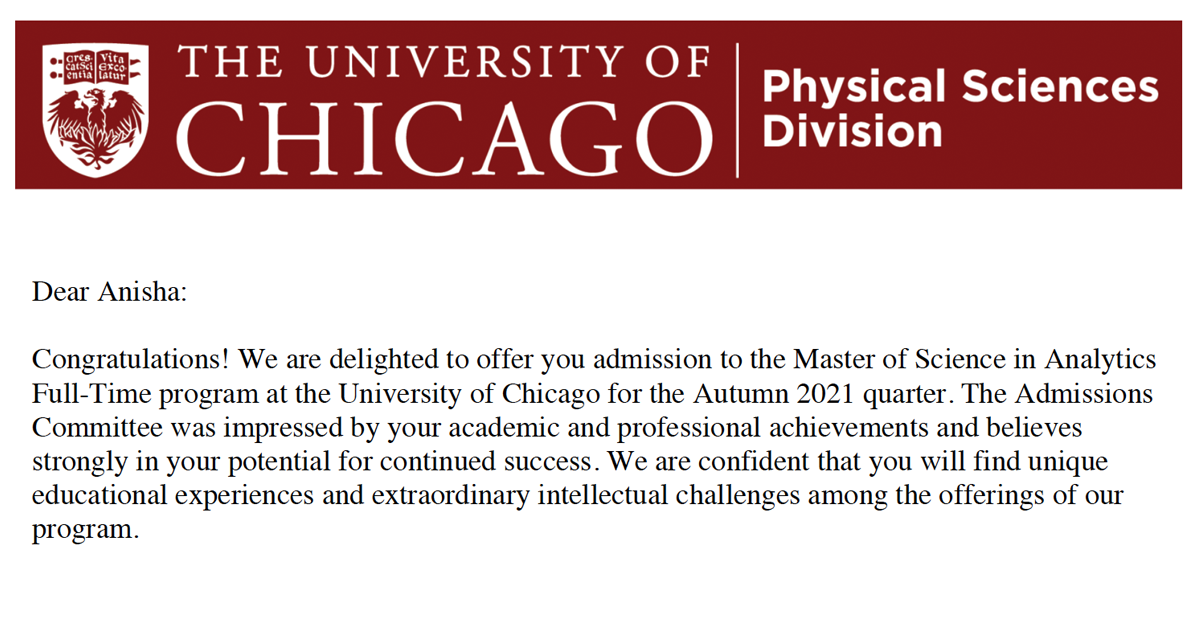
So, how can you make the most of your MSCA journey (or any data analytics learning experience, for that matter)? Here are a few practical tips:
- Embrace the challenge: Data analytics can be demanding, but the rewards are immense. Don't be afraid to tackle difficult problems and push your boundaries.
- Network, network, network: Connect with classmates, professors, and industry professionals. The analytics community is incredibly collaborative, and building relationships can open doors to new opportunities.
- Practice, practice, practice: The more you work with data, the better you'll become. Take advantage of opportunities to apply your skills to real-world projects.
- Stay curious: The field of data analytics is constantly evolving. Stay up-to-date on the latest trends and technologies by reading industry publications, attending conferences, and participating in online forums.
- Don't neglect the "soft skills": Communication is key. Being able to effectively communicate your findings to stakeholders is just as important as your technical skills. Hone your presentation and storytelling abilities.
The University of Chicago's MSCA program, and data analytics in general, is about empowering you to unlock the power of data and make a real difference in the world. With dedication and the right tools, you can become a true data visionary.