Ultimate Guide To Water Leak Sensors For Smart Homes
Ever had that sudden, sinking feeling in your stomach when you hear a drip, drip, drip? Or worse, come home to an unexpected puddle? Water leaks can be a real headache, turning a minor issue into a major, costly disaster in the blink of an eye. But what if your home could actually tell you the moment a leak started? That’s where water leak sensors for smart homes come into play, and trust me, they're not just useful – they're downright brilliant!
Think of them as tiny, ever-vigilant guardians for your home, ready to sound the alarm (or ping your phone) at the first hint of trouble. For beginners, these sensors offer incredible peace of mind. You don’t need to be a tech wizard to set them up; most are simply placed in high-risk areas and connect to your existing smart home hub or Wi-Fi. No more worrying about that ancient water heater while you're at work! For families, the benefits are even more profound. Imagine protecting your precious photo albums in the basement, preventing mold growth that could harm your kids, or avoiding thousands of dollars in repairs simply because you got an alert about a leaky washing machine hose. And for the hobbyists among us, these sensors are a fantastic addition to your smart home ecosystem, allowing you to create clever automations, like automatically shutting off your main water valve if a leak is detected, or even flashing lights to warn you.
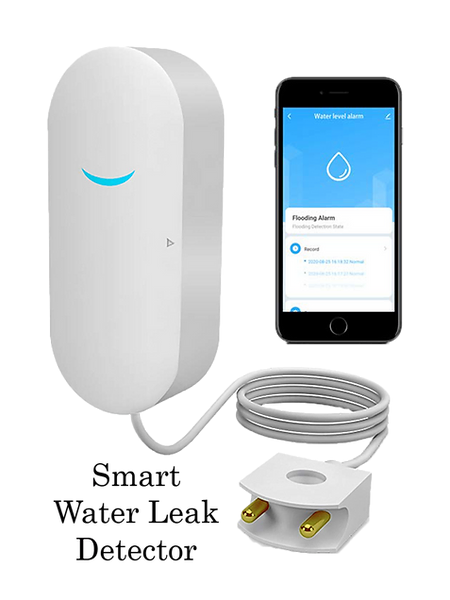
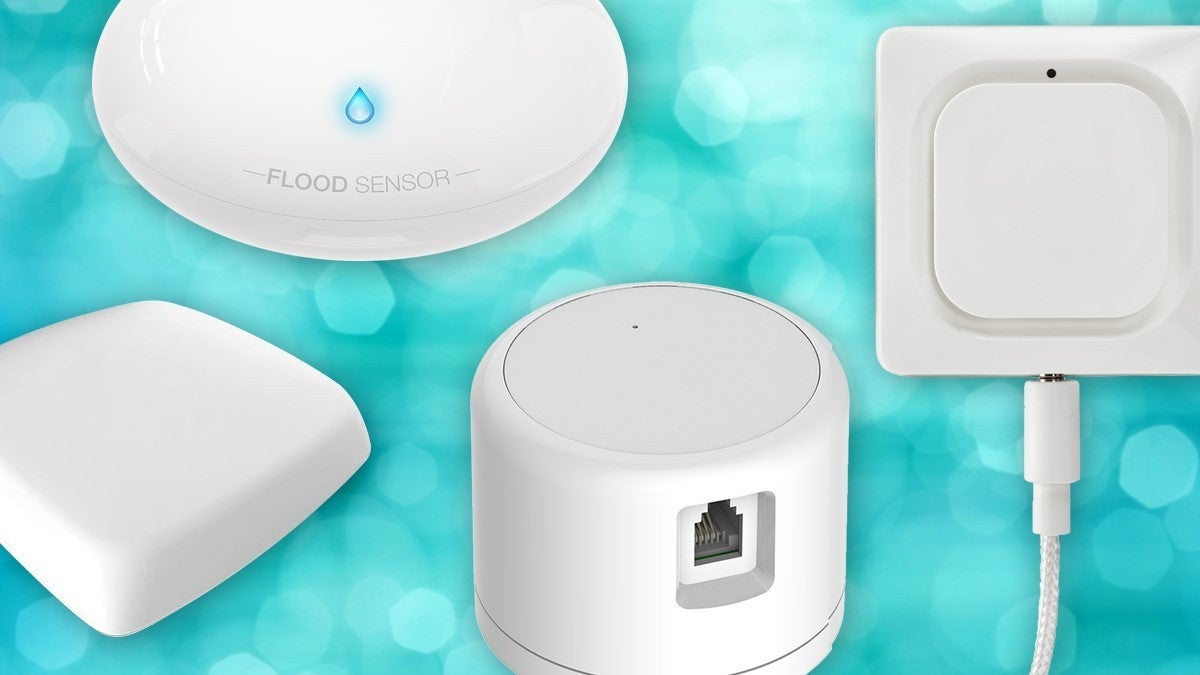
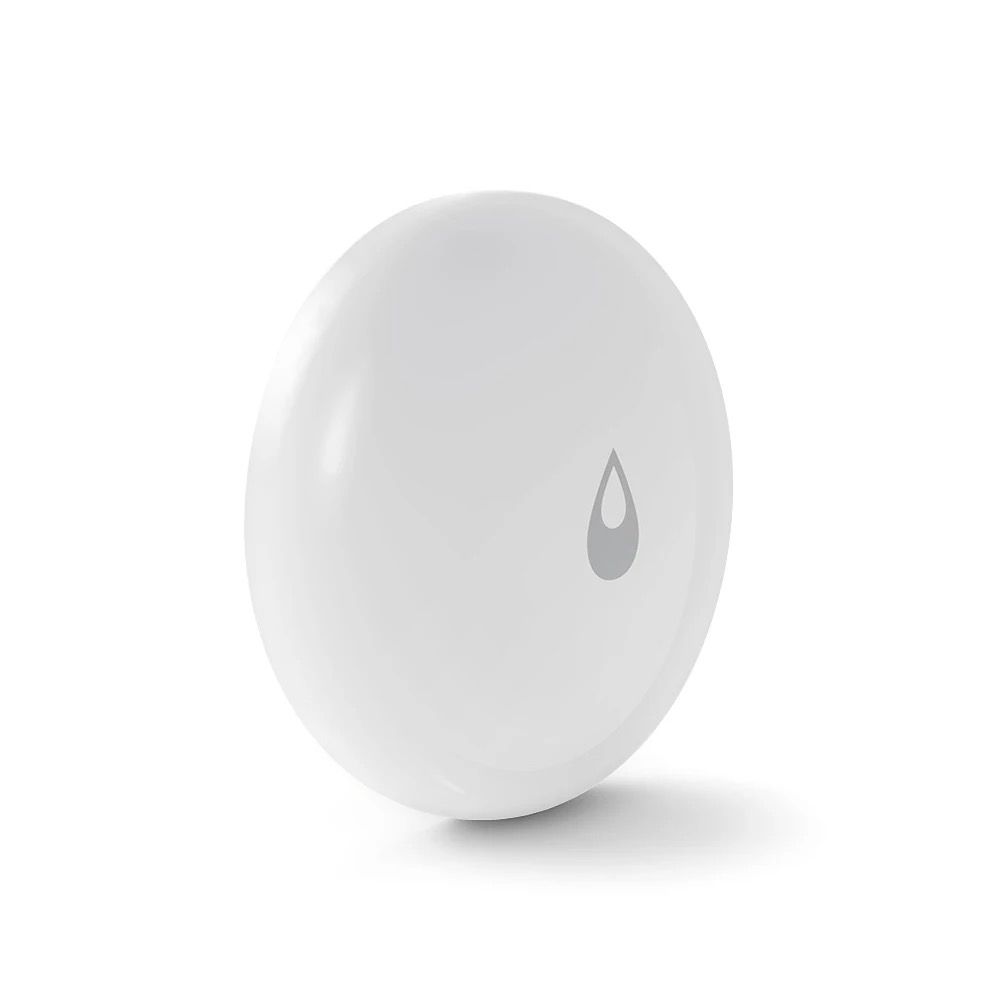
These handy gadgets come in a few flavors. You've got the classic puck-style sensors, perfect for slipping under sinks, behind toilets, or near your refrigerator's water line. Then there are rope-style sensors, which are fantastic for covering a wider area, like along the perimeter of a basement or under a dishwasher. Some even come with wired probes, ideal for monitoring sump pumps. Most connect via Wi-Fi, Zigbee, or Z-Wave, integrating seamlessly with popular smart home platforms like Amazon Alexa, Google Home, or Apple HomeKit. They can either emit a loud, local alarm, send instant notifications to your smartphone, or often, both! The variety means there’s a perfect fit for every specific need and smart setup.
Must Read
Ready to jump in? Getting started is surprisingly easy. First, identify your vulnerable spots: under every sink, near the washing machine, water heater, dishwasher, toilet, and refrigerator with an ice maker. Don't forget the basement or utility room! Next, choose a sensor that's compatible with your current smart home system, or simply pick a standalone Wi-Fi option if you're just starting out. Installation usually involves little more than placing the sensor or sticking it down. Most importantly, once installed, test them out! A quick splash of water can confirm they're working and give you confidence. You don’t need to buy a dozen sensors at once; start with the top two or three most critical areas and expand from there.
Adding water leak sensors to your smart home isn't just about gadgetry; it's about investing in peace of mind and protecting what matters most. It's a small step that can save you a huge headache and a hefty repair bill. So go ahead, make your home a little smarter and a lot safer. You'll enjoy the comfort of knowing your digital guardians are always on watch, keeping your castle dry and secure!