
Types Of Portable Fire Extinguishers

Ever walked past one of those bright red cylinders hanging on a wall and thought, "Huh, wonder what's inside?" You know, those things we hope we never have to use, but are super glad are there? We're talking about portable fire extinguishers! Far from being just a generic red can, these everyday heroes come in a surprising variety, each with its own special powers. It's actually pretty cool once you peek behind the curtain!
Think of it like this: not all bad guys are defeated by the same punch. A monster made of mud needs a different approach than a robot made of steel, right? Fires are the same! They come in different "flavors," and each one requires a specific type of extinguisher to be put out safely and effectively. Using the wrong one could not only be useless but potentially dangerous! So, let's dive into the fascinating world of fire types and their matching extinguisher sidekicks.
Meet the Fire Classes: Our Fiery Foes
First up, we need to understand what we're fighting. Fires are categorized into different classes based on what's burning. Ready to meet the gang?
Must Read
Class A: The Everyday Bonfire. This is your classic fire: wood, paper, cloth, plastic – anything that leaves an ash. Think of a campfire or a stack of newspapers catching flame. Easy peasy, right?
Class B: The Liquid Lazers. These are fires involving flammable liquids like gasoline, oil, grease, paint, or solvents. Pouring water on these? Nope! It'll just spread the fire and make things worse. Imagine throwing water on a grease fire – total disaster!
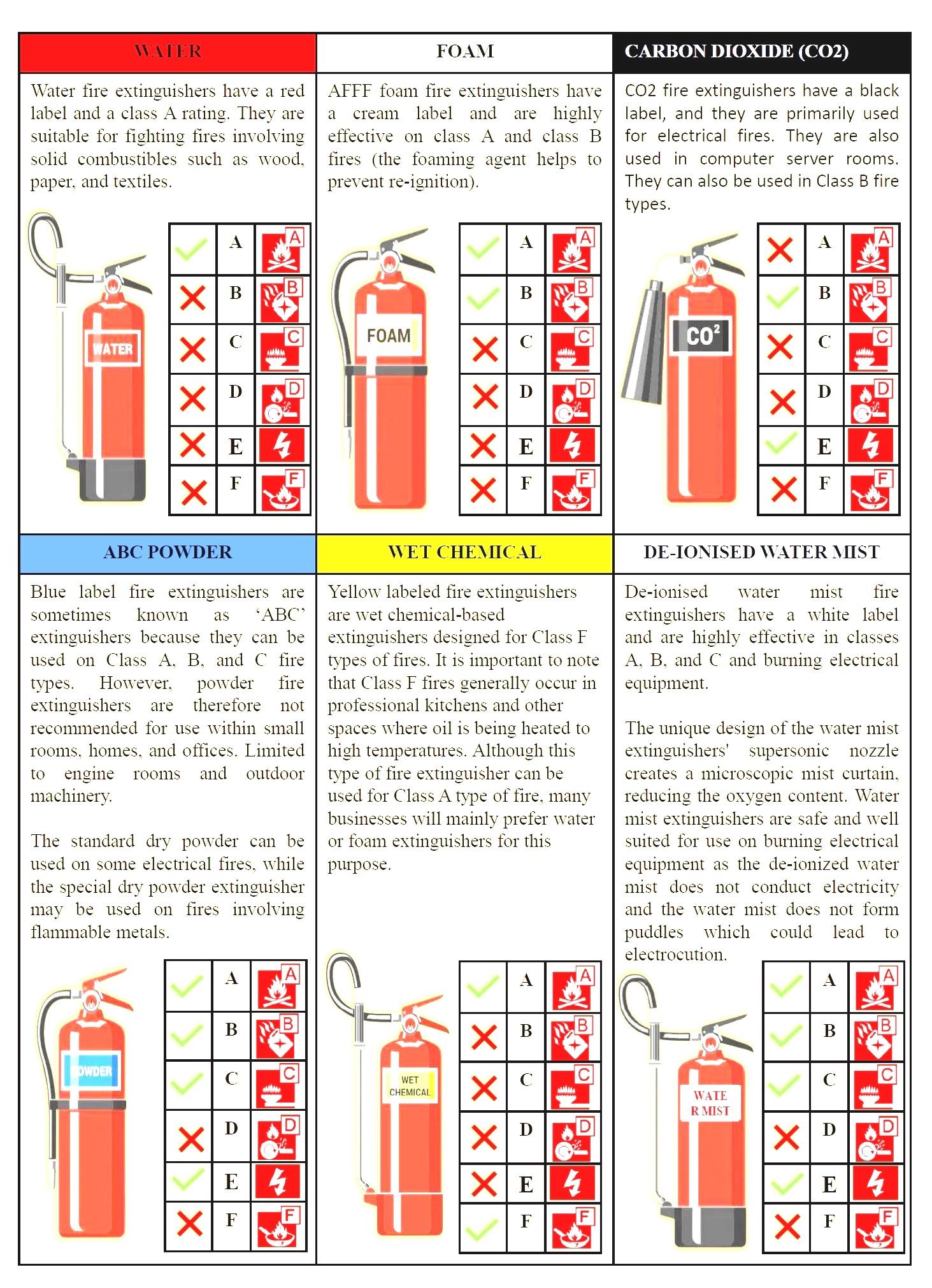
Class C: The Electric Shocks. When electrical equipment is involved – wires, appliances, motors – that's a Class C fire. The danger here isn't just the flames but also the live current. You absolutely DO NOT want to use a water-based extinguisher here!
Class D: The Metal Meltdown (less common, but still a thing!). These are fires involving combustible metals like magnesium, titanium, potassium, or sodium. You're unlikely to encounter these in your home, but they're critical in industrial settings. These require highly specialized agents.
Class K: The Kitchen Calamity. Specifically for cooking oils and fats found in commercial kitchens (think deep fryers). While technically a Class B fire, the sheer volume and high temperatures of cooking oils make them a special category requiring a specific extinguishing agent. It's like a super-specific sub-boss for professional chefs!

Our Extinguisher Heroes: Ready for Action!
Now that we know the enemies, let's meet the heroes! Each extinguisher has a specific agent inside, designed to tackle one or more fire classes.
1. Water Extinguishers: The Super Soakers (Class A)
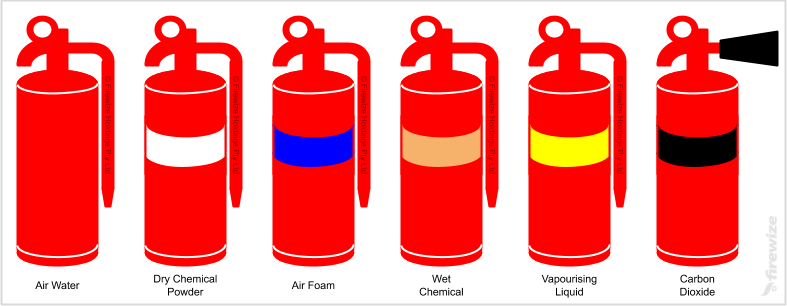
Yep, just good old H2O! These are great for Class A fires (wood, paper, textiles). They work by cooling the fuel below its ignition temperature. Simple, effective, and common in places like offices or schools for general rubbish fires. You'll recognize them by a red label that often says "Water" and sometimes has a picture of burning wood. Don't even THINK about using these on electrical or liquid fires, though!
2. Dry Chemical Extinguishers: The All-Rounders (ABC or BC)
These are probably the most common type you'll see. They contain a fine powder (like baking soda, but super-powered!) and are often rated ABC, meaning they can tackle Class A, B, and C fires. Super versatile! They work by interrupting the chemical reaction of the fire. The downside? They make a HUGE mess. Think of a flour bomb exploding in a small space – everything will be coated in a yellowish powder. But hey, better a mess than a blaze, right?
You might also see BC dry chemical extinguishers, which are specifically for flammable liquids and electrical fires. Always check the label!
3. Carbon Dioxide (CO2) Extinguishers: The Clean Sweepers (BC, C)
These cool cats contain highly pressurized liquid carbon dioxide. When you spray them, the CO2 expands rapidly, turning into a gas that smothers the fire by displacing oxygen. The best part? They leave absolutely no residue! This makes them perfect for Class B and C fires, especially those involving sensitive electrical equipment like computers or servers, where a powder mess would cause more damage. They're typically identified by a hard horn-like nozzle. Think of it as a magic wand that makes fire disappear cleanly!

4. Wet Chemical Extinguishers: The Kitchen's Best Friend (Class K)
Remember those tricky Class K fires with super-hot cooking oils? This is their dedicated champion! Wet chemical extinguishers spray a fine mist that creates a soap-like foam, cooling the oil and preventing re-ignition. They're usually found in professional kitchens and are easily spotted by their yellow label and specific nozzle design. If you work in a restaurant, you're probably very familiar with these!
Why Does It Matter?
Knowing the difference isn't just a fun fact; it could be life-saving. Imagine a small electrical fire in your home. Grabbing a water extinguisher would be incredibly dangerous, potentially causing electrocution or spreading the fire. But having a simple ABC or CO2 extinguisher handy could make all the difference.
So, next time you spot one of those red cylinders, take a moment. Read the label. See what kind of "superpower" it has. Understanding these humble devices is a small step, but it makes you just a little bit more prepared for whatever fiery surprises life might throw your way. Stay curious, stay safe!