Type Of Extinguisher For Electrical Fires
We all love a good mystery, right? Like, where did that one sock go? Or, what’s the deal with airline food? But there’s one mystery we absolutely don’t want to solve in a hurry: "What kind of fire extinguisher do I grab when my toaster decides to put on a light show?"
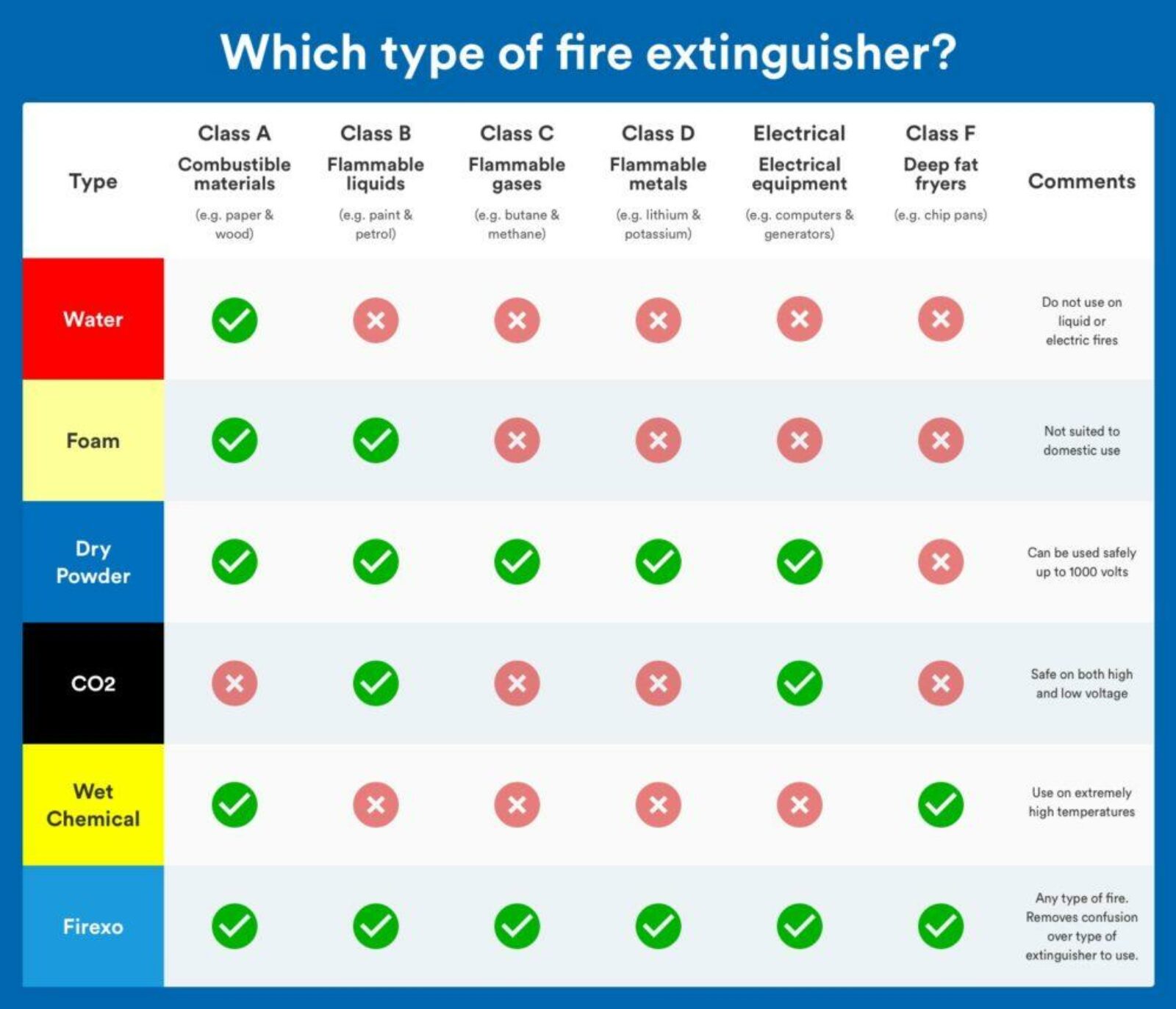
Let's be real. In the heat of the moment – literally – your first instinct might be to just grab the nearest bucket of water. It makes sense, right? Water puts out fire! It's practically fire's arch-nemesis, its kryptonite, its... well, you get the picture. And here’s where my slightly "unpopular" (but totally sensible) opinion comes in: Don't do it. No, really. Step away from the H2O. Especially if that fire is humming a tune and sparking like a tiny disco ball.
Because here’s the thing about those sneaky electrical fires: they're not like your campfire or a flaming grease splatter. They're a whole different beast. And when you mix water with electricity, you're not just putting out a fire. You're potentially becoming part of the circuit. Which, trust me, is not a fun party trick. It's dangerous. Like, super-duper, bolt-of-lightning dangerous. So, for the love of all things safe and spark-free, commit this to memory:
Must Read
Water + Electrical Fire = A Very Bad Time.
The Right Tools for the Job
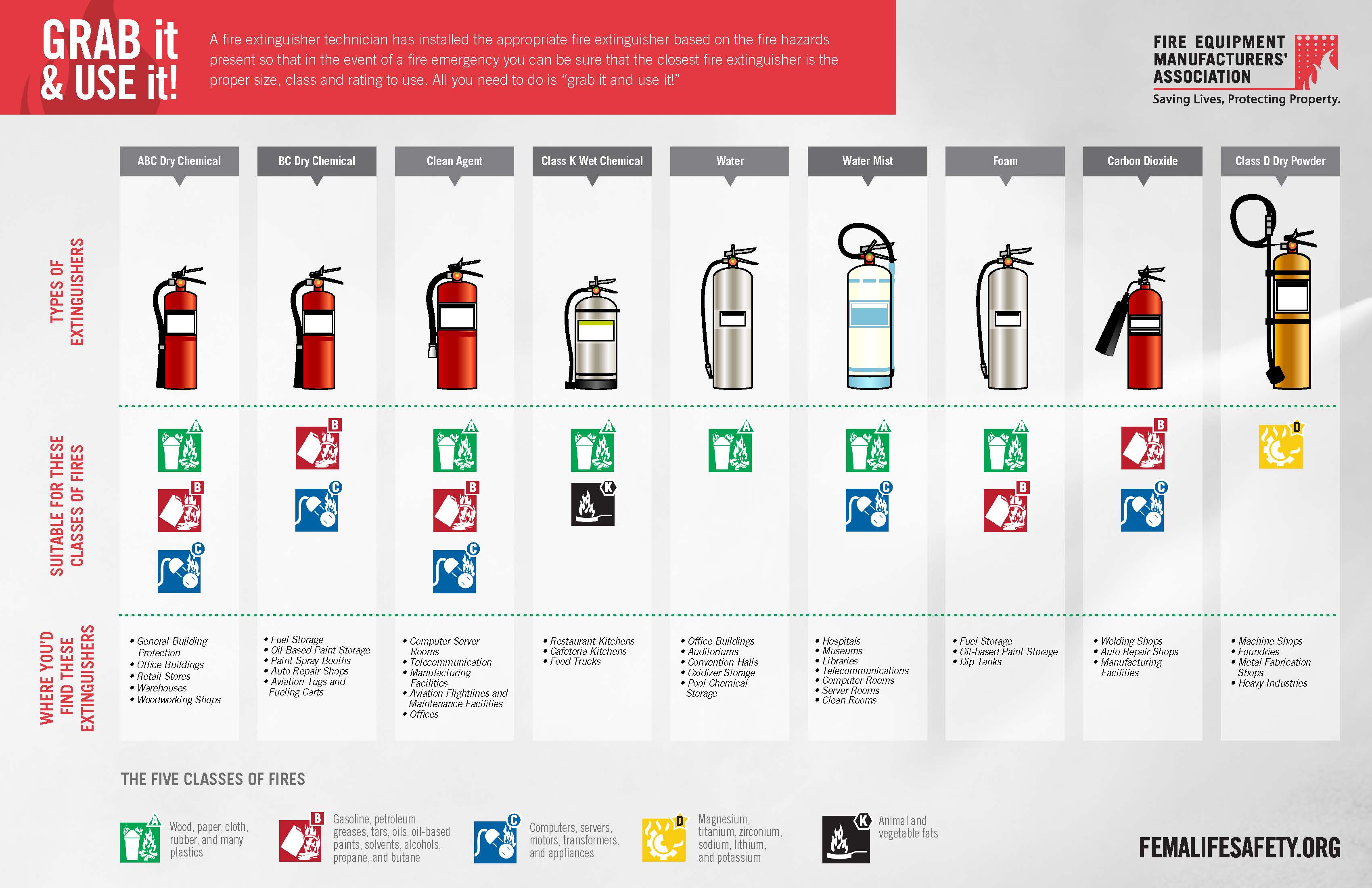
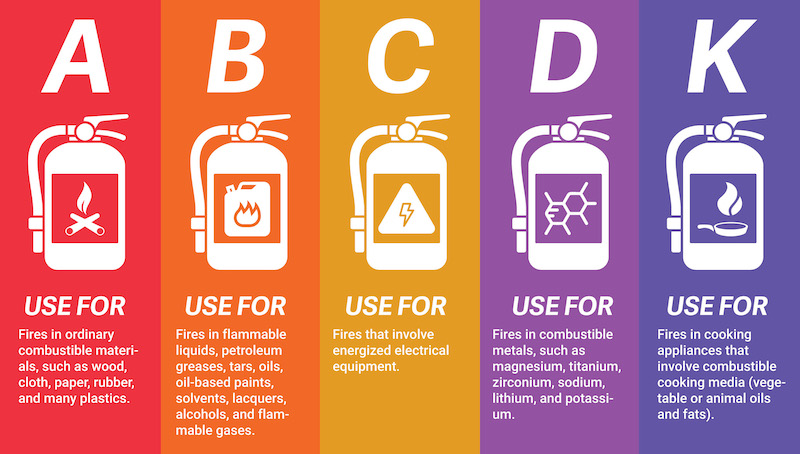
So, what do you grab when your ancient hair dryer decides to spontaneously combust? You reach for the heroes of the electrical fire world: the Class C extinguishers. Think of "C" for "Current" or "Circuits" or "Crikey, don't use water!" These guys are specifically designed to tackle fires fueled by live electricity without turning you into a human conductor. They’re the real MVPs.

First up, let’s talk about the cool cat of the bunch: the Carbon Dioxide or CO2 extinguisher. These are the sleek, often red beauties you might see in an office. They don't make a mess, which is a huge bonus. Imagine a fire, then a big, foamy mess to clean up afterwards. No thanks! CO2 extinguishers work by basically smothering the fire. They blast out a cloud of freezing cold carbon dioxide gas, which displaces the oxygen the fire needs to survive. Poof! Fire gone.
And the best part? It leaves no residue. Zip, nada, clean as a whistle. This means less damage to your precious electronics (after the fire, of course) and way less cleanup. It's like the ninja of fire suppression – quick, effective, and leaves no trace. Just remember, they get super cold, so don't grab the nozzle without gloves if you can help it. Frostbite is also not a fun party trick.

Then we have the sturdy, reliable workhorses: the Dry Chemical extinguishers. You'll often see these labeled ABC or BC. The "C" again, is our magic letter for electrical fires. These extinguishers contain a fine powder – usually something like monoammonium phosphate or sodium bicarbonate. When you spray it, this powder acts like a tiny blanket, interrupting the chemical reaction of the fire. It’s effective, it’s versatile, and it gets the job done.
The downside? It leaves a powdery mess. A big, dusty, powdery mess that gets everywhere. But hey, better a dusty mess than a house fire or, you know, being electrocuted. So, while a CO2 might be the fancy option for your home office, a good old ABC dry chemical is a fantastic all-rounder for general household use. It’s like the trusty Swiss Army knife of fire extinguishers – handles a lot of different problems.
So, next time you’re eyeing that sparking outlet or a suspicious smell coming from your overloaded extension cord, resist the urge to channel your inner firefighter with a garden hose. Instead, take a deep breath (away from the smoke, please!) and remember our Class C heroes. Whether it's the clean-sweeping CO2 or the powdery but powerful Dry Chemical, knowing the right tool for the job can literally be a lifesaver. Keep one handy, know how to use it (P.A.S.S. – Pull, Aim, Squeeze, Sweep!), and maybe, just maybe, avoid becoming a human lightning rod. Your future, fire-free self will thank you.