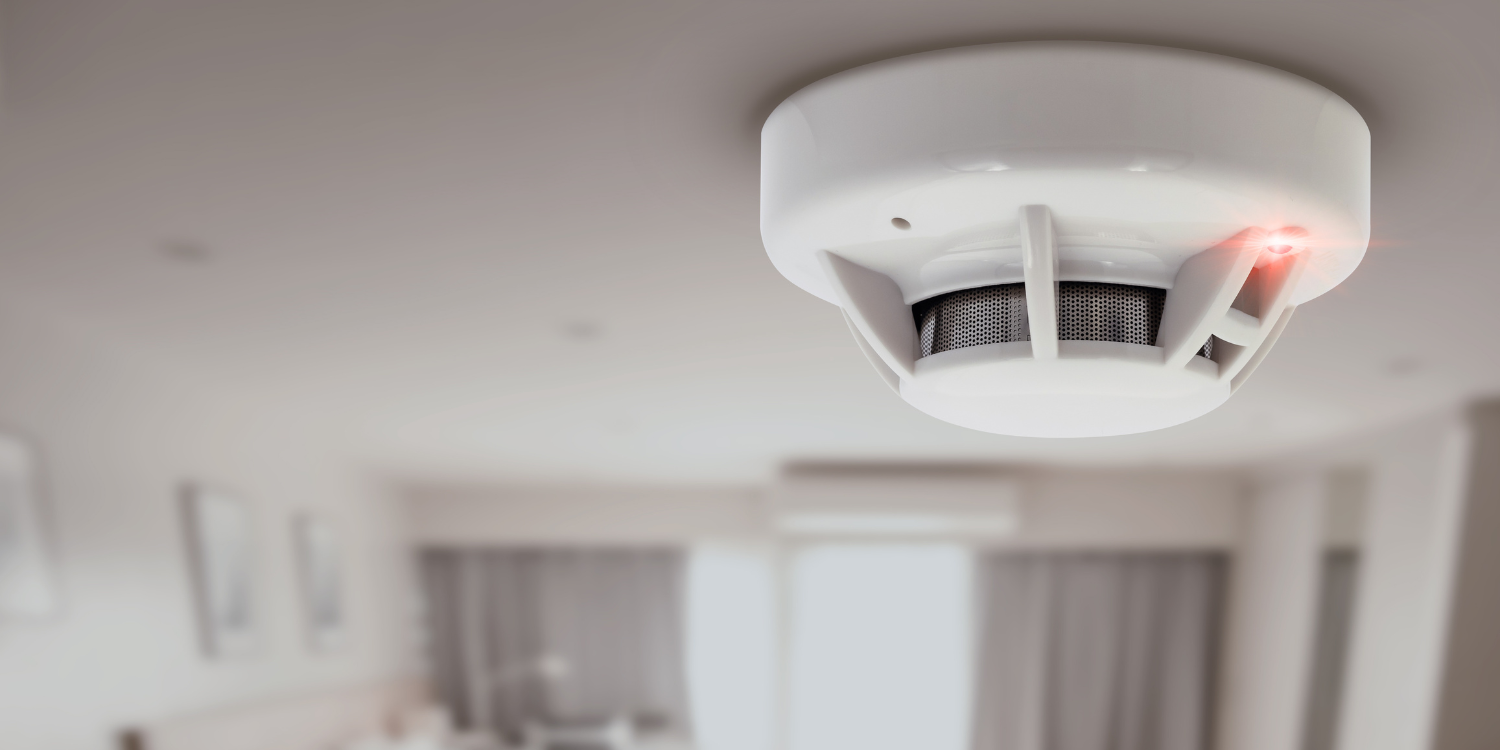
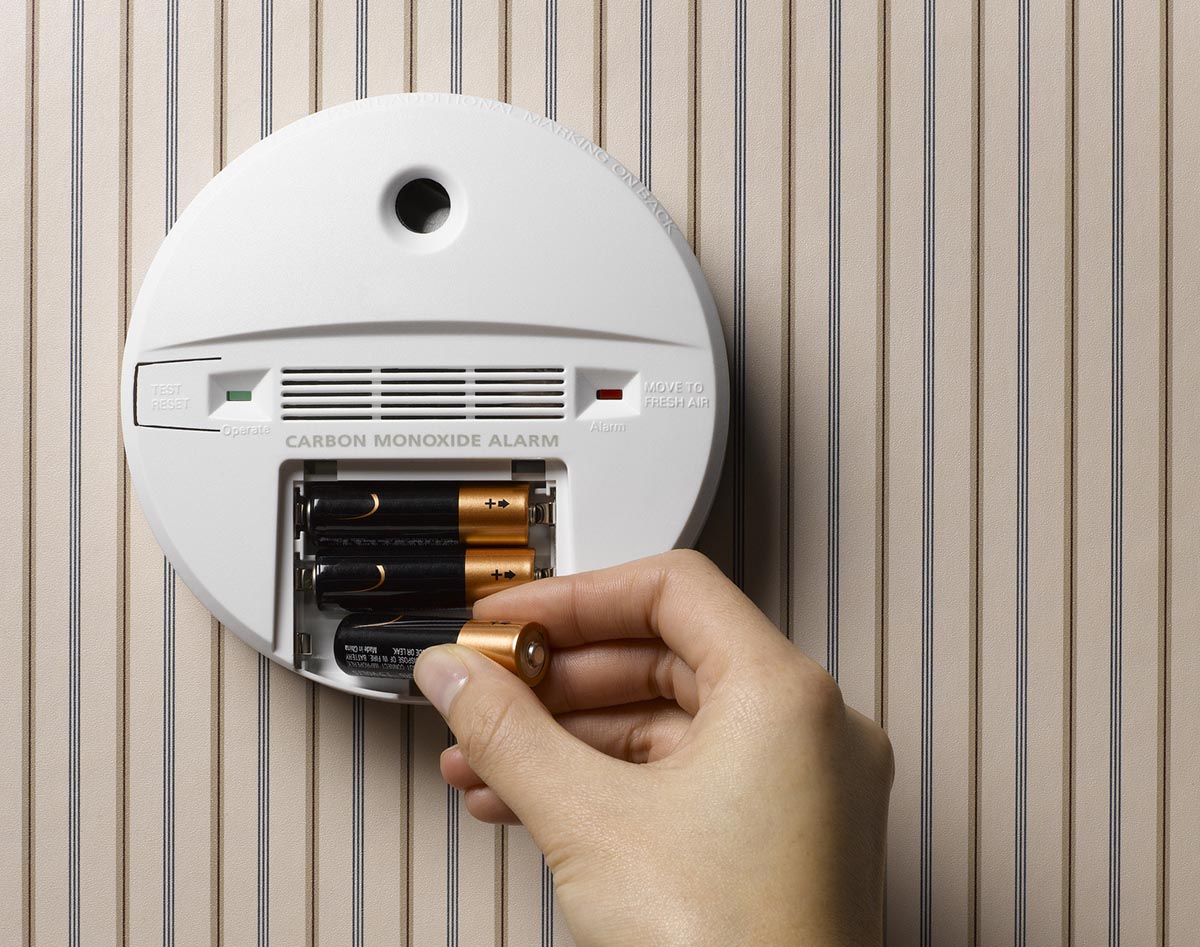
True/false: Smoke/co Detectors Can Be Obstructed.

Alright, let's play a little game of "True or False," but with a twist that's less about trivia night and more about creating a masterpiece of home safety. Today's question, a real brain-tickler for anyone who appreciates the finer points of domestic harmony: True or false: Smoke/CO Detectors Can Be Obstructed.
Now, while it might not sound like the most glamorous artistic pursuit, understanding this question is like learning the fundamental strokes of a life-saving painting. For the casual learner, the diligent hobbyist, or even the aspiring home safety "artist," grasping this concept is absolutely invaluable. It’s about more than just having a device on your ceiling; it’s about ensuring it can perform its vital role flawlessly. The benefit? A profound sense of peace of mind, knowing you've done everything to protect your loved ones and your sanctuary from the silent, unseen dangers of smoke and carbon monoxide.
So, what’s the big reveal? The answer, unequivocally, is TRUE! Smoke and carbon monoxide detectors absolutely can be obstructed, and surprisingly easily at that. Think of it like a beautiful instrument that needs to be played, but someone’s accidentally put a sock in the bell. It’s there, it looks fine, but it simply can’t make its intended sound.
Must Read
Let's look at some examples of how these crucial guardians can be rendered less effective:
- The Dust Bunny Blockade: Over time, dust, lint, and even tiny insect invaders can accumulate inside the sensor chamber of your detector, effectively gumming up the works and preventing accurate readings.
- The Decorator's Dilemma: A beautiful curtain draped too close, a strategically placed piece of furniture, or even a child’s balloon accidentally caught nearby can create "dead air" zones or physically block smoke/CO from reaching the sensor.
- The Paintbrush Problem: A common mistake during home renovations is painting over a detector. This can clog the vent holes and impede its ability to detect hazards.
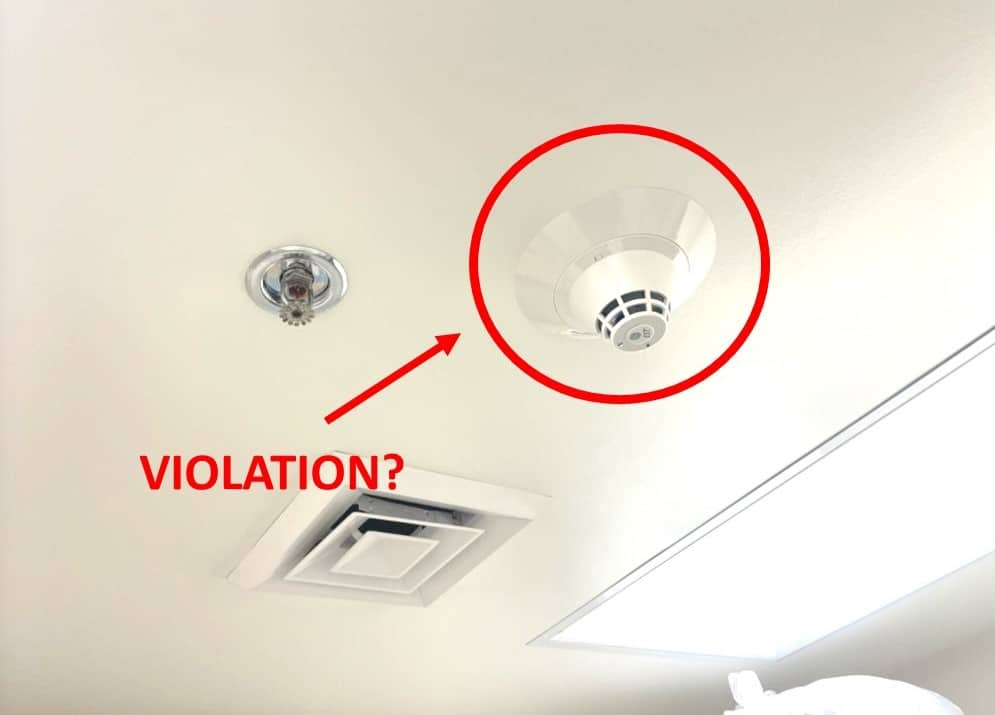
- The Wrong Spot Syndrome: Placing a detector too close to a window, a vent, or in a drafty hallway can cause false readings or prevent it from sensing danger where it’s most needed, effectively obstructing its purpose by poor positioning.
Ready to apply your newfound knowledge and become a home safety expert? Here are some simple tips for trying it at home and ensuring your detectors are always on point:
- The Visual Scan: Regularly give your detectors a quick once-over. Are they clean? Is anything hanging nearby that could block them?
- The "Clear Zone" Rule: Aim for at least a 1-foot clear radius around your detectors. No drapes, no decorations, no spiderwebs!
- Gentle Cleaning: Use a soft brush attachment on your vacuum cleaner to gently clean around and within the detector's vents. Never spray cleaning products directly on them.
- The Monthly Button Test: Press the test button monthly to ensure the alarm sounds. This doesn't check the sensor, but it confirms the electronics and siren are working.
- Know Your Manual: Each detector has optimal placement instructions. A quick read can help you ensure yours are in the most effective locations.
Ultimately, the joy of engaging with this "true or false" isn't just about getting the right answer; it's about the profound satisfaction that comes from being proactive. There's a genuine pleasure in knowing you've taken simple, yet incredibly powerful, steps to safeguard your family and your cherished home. It allows you to sleep soundly, knowing your silent guardians are truly ready to spring into action if ever needed. That, my friends, is a masterpiece worth creating!