
To Whom This May Concern In French

Okay, so you’ve got a letter to write, but you don’t know who exactly it should go to. We’ve all been there! You need a fancy way to start it, something a bit more sophisticated than just “Hey You!” Right? Well, fear not, mon ami! Today, we’re diving headfirst into the wonderful world of saying "To Whom It May Concern" in French.
The Classic Choice: À qui de droit
The most straightforward and generally accepted translation is "À qui de droit." It literally translates to "To whom it is right" or "To whom it may concern," and it's your go-to option in most formal situations.
Think of it as the little black dress of French greetings. It’s reliable, always appropriate, and gets the job done without any fuss. You can’t really go wrong with it!
Must Read
But wait! There's more to life than just little black dresses, right? Let’s explore some alternatives, shall we?
A More Formal Approach: Madame, Monsieur,
If you know the gender of the person you’re addressing (even if you don’t know their name), you can use "Madame, Monsieur," followed by a comma. This translates to "Madam, Sir." It's considered more respectful, especially in formal business settings.

Imagine you're writing to a company and you know it's probably going to be a manager reading it. This is your moment to shine with a little extra politeness!
Pro Tip: If you're feeling particularly fancy (and you know they're a couple!), you could even go for "Madame, Monsieur et Cher(ère) Conjoint(e)" – which basically means, "Madam, Sir, and Dear Spouse." But that's probably overkill unless you're writing a love letter to a French power couple. Don't say I didn't warn you!
A Touch More Casual: Monsieur, Madame,
Notice the slight difference? "Monsieur, Madame," with the Monsieur first, is also acceptable and perhaps just a tad less formal than its Madame-first counterpart. It's still respectful, just... maybe a little more "Hey, we're getting down to business" kind of vibe.

Think of it as the difference between addressing your boss as "Mr. Smith" versus just "Smith." Both are respectful, but one feels a little more comfortable, wouldn’t you agree?
When in Doubt, Keep it Simple!
Sometimes, the best approach is the simplest. If you're really unsure, or if the situation is relatively informal, you can even use a phrase like:
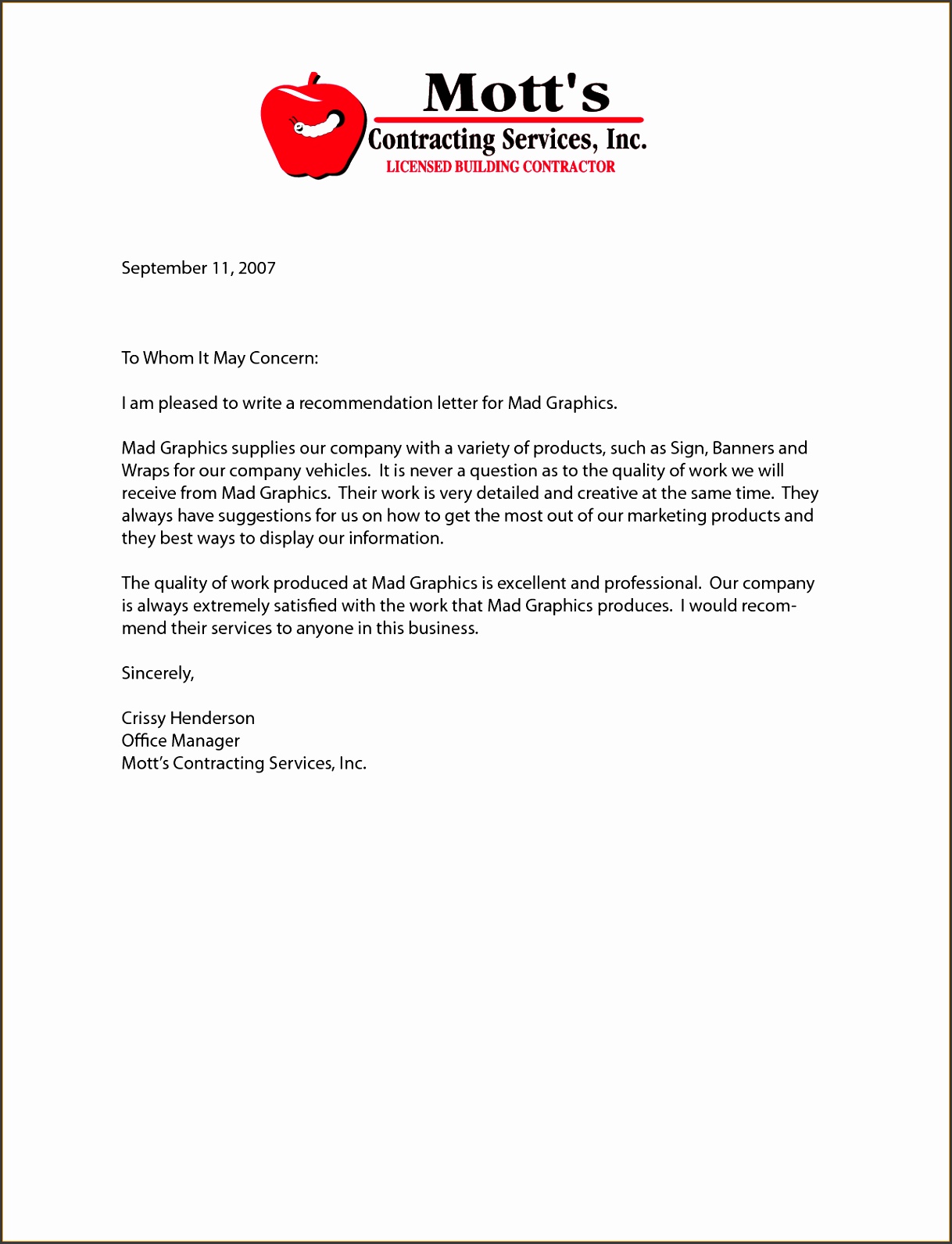
![30+ To Whom It May Concern Letter Examples [Edit Online] & Templates](https://docsi.me/wp-content/uploads/2024/10/Whom-it-May-Concern-Letter.png)
- "Bonjour," (Hello)
- "À l'attention de," (To the attention of) – followed by the department or role you're trying to reach.
"Bonjour" is always a safe bet! It's friendly and polite, and it shows you're making an effort. And "À l'attention de" is useful if you're sending a letter to a specific department – like, "À l'attention de: Service Client" (To the attention of: Customer Service).
Important Considerations:
* Formality Matters: Tailor your greeting to the context. A job application requires a different level of formality than a casual inquiry.
* Tone: Be polite! Even if you're complaining, a respectful tone will get you much further. Think sugar, not vinegar (although sometimes, a tiny bit of vinegar is necessary... just kidding... mostly!).
* Grammar: Double-check your grammar and spelling! Typos are never a good look, especially in a language like French where a misplaced accent can change the entire meaning of a word!
So, there you have it! A comprehensive (and hopefully entertaining!) guide to saying "To Whom It May Concern" in French. Now go forth and write those letters with confidence! Remember, even if you stumble a little, the effort you put in to using French will be appreciated. And who knows, maybe you'll even impress someone with your newfound knowledge of French greetings.
Keep practicing, keep learning, and most importantly, keep having fun with the beautiful language that is French. Bonne chance, and may all your letters find their way to the right person!