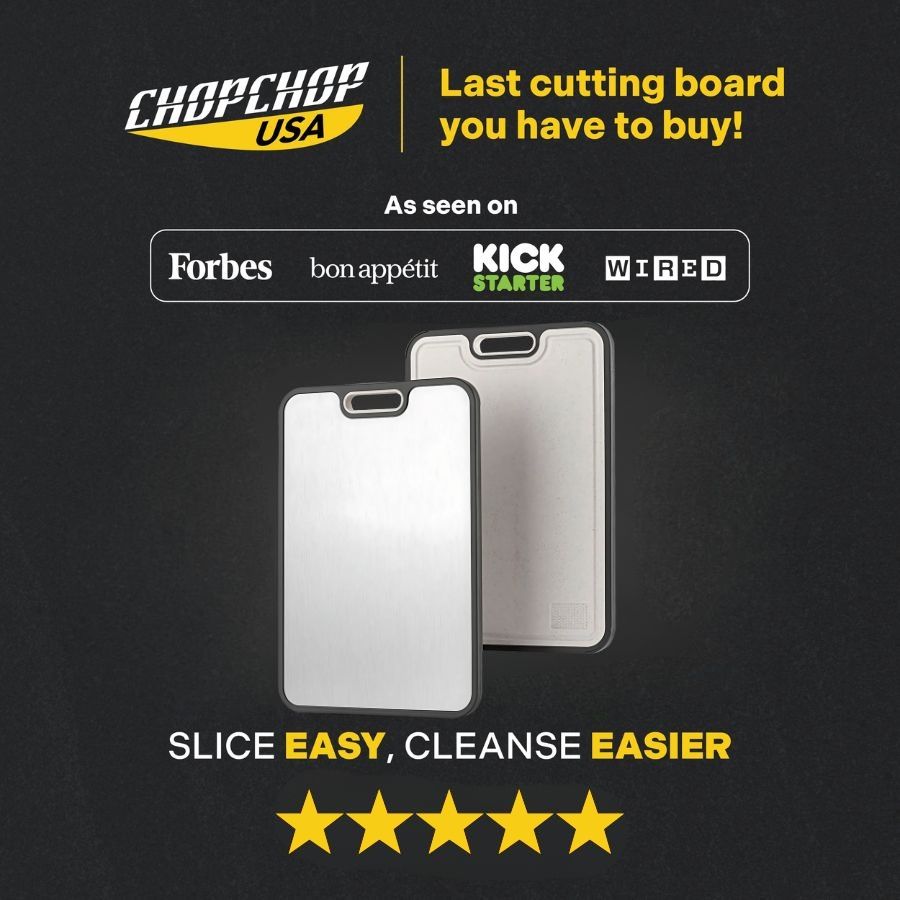
Titanium Cutting Board Pros And Cons
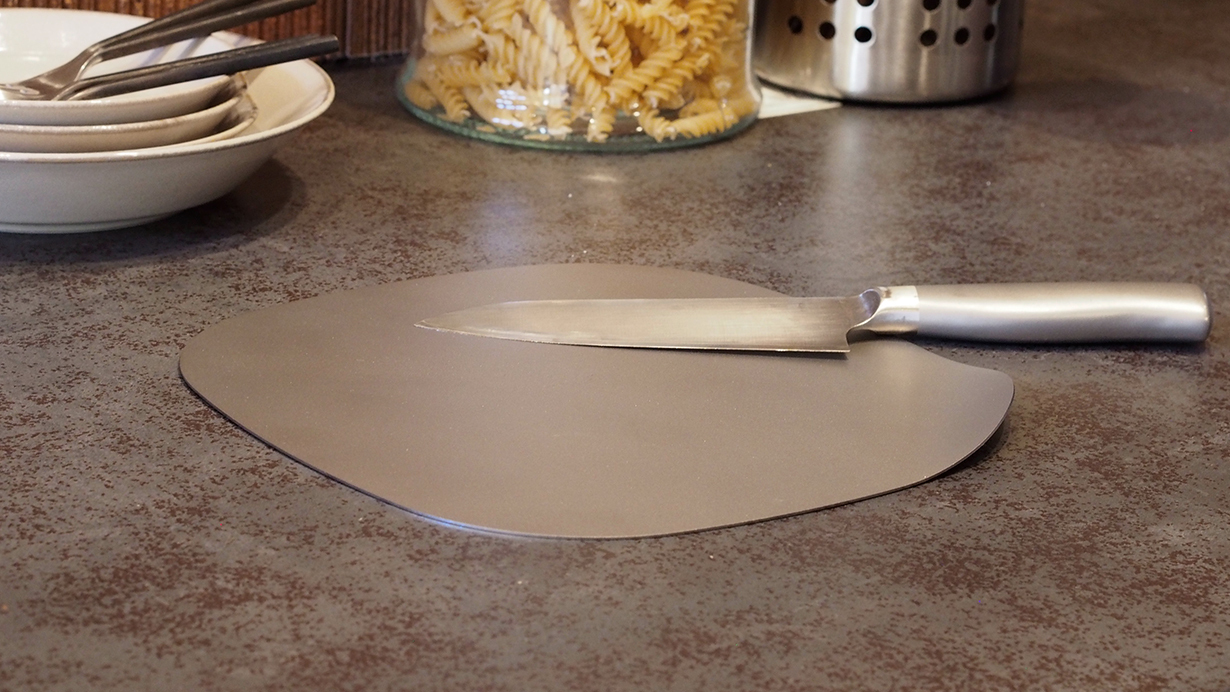
Let's talk cutting boards! We all use them, probably daily, but have you ever considered upgrading to... titanium? It sounds like something out of a sci-fi movie, right? But titanium cutting boards are a real thing, and they're gaining popularity. So, let’s dive into the pros and cons of this surprisingly interesting kitchen gadget and see if it’s the right fit for your cooking style.
Why all the hype? For beginners, a titanium cutting board promises to be a hygienic and easy-to-clean surface. No more worrying about lingering odors or bacteria seeping into the wood grain. It's like hitting the reset button on your food prep! Families might be drawn to its durability – a titanium board can withstand the daily grind of meal prep, from slicing fruits for snacks to chopping veggies for dinner. And for hobbyist chefs, the allure lies in the precision and aesthetics. A sleek titanium board offers a modern and professional look to any kitchen setup. Plus, some swear it helps maintain the sharpness of their knives longer.
So, what are the pros of choosing titanium? First, hygiene. Titanium is naturally antimicrobial, meaning it inhibits the growth of bacteria. Cleaning is a breeze too; a quick wipe down with soap and water is usually all it takes. Second, durability. Titanium is incredibly strong and resistant to scratches and dents. Unlike wood or plastic boards, it won't warp or splinter. Third, it looks darn cool! The sleek, metallic finish adds a touch of sophistication to your kitchen. Think of it as the stainless steel appliance's cool cousin.
Must Read
But, before you rush out to buy one, let’s consider the cons. The biggest one? Price. Titanium cutting boards are significantly more expensive than wood or plastic alternatives. This is a serious consideration. Second, they can be hard on your knives. While some argue they help maintain sharpness, the hardness of titanium can dull certain types of blades faster, especially softer steel knives. You might need to invest in specific knife sharpening tools or be extra diligent with your existing ones. Third, they can be noisy. The sound of a knife hitting titanium is definitely different from the familiar thud of wood or plastic. It might take some getting used to, and can be jarring for some.
Variations to consider include titanium-coated cutting boards. These offer a more affordable option, providing some of the benefits of titanium without the hefty price tag. They often feature a stainless steel or aluminum core coated with a layer of titanium. Also, think about size. Titanium cutting boards come in various sizes, so choose one that fits your needs and counter space.

Practical tips for getting started? If you're on a budget, consider a smaller titanium-coated board for specific tasks, like prepping fish or poultry, to take advantage of the antimicrobial properties. Invest in good quality knives designed for use on harder surfaces. And don't be afraid to experiment with different cutting techniques to minimize noise and impact on your knives.
Ultimately, deciding if a titanium cutting board is right for you comes down to personal preference and budget. It's a worthwhile investment for those who prioritize hygiene, durability, and a modern aesthetic. Just remember to weigh the pros and cons carefully, and be prepared to adjust your knife care routine accordingly. Whether you're slicing and dicing for a gourmet meal or simply making a quick sandwich, a good cutting board can make all the difference – and maybe even add a little sparkle to your kitchen routine!