Tig Welder To Weld Aluminum
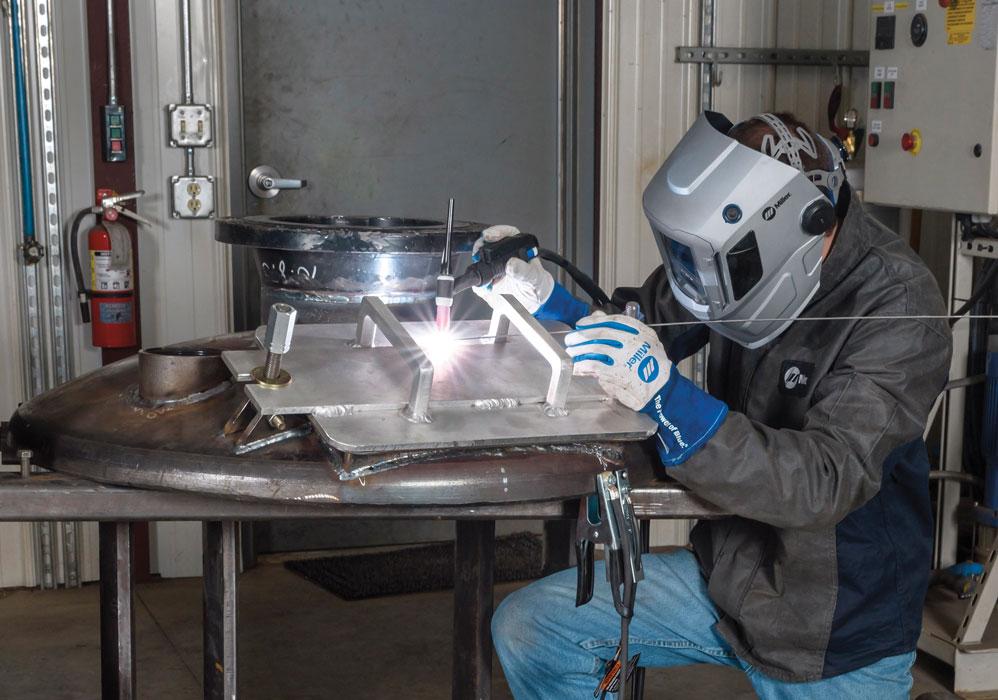
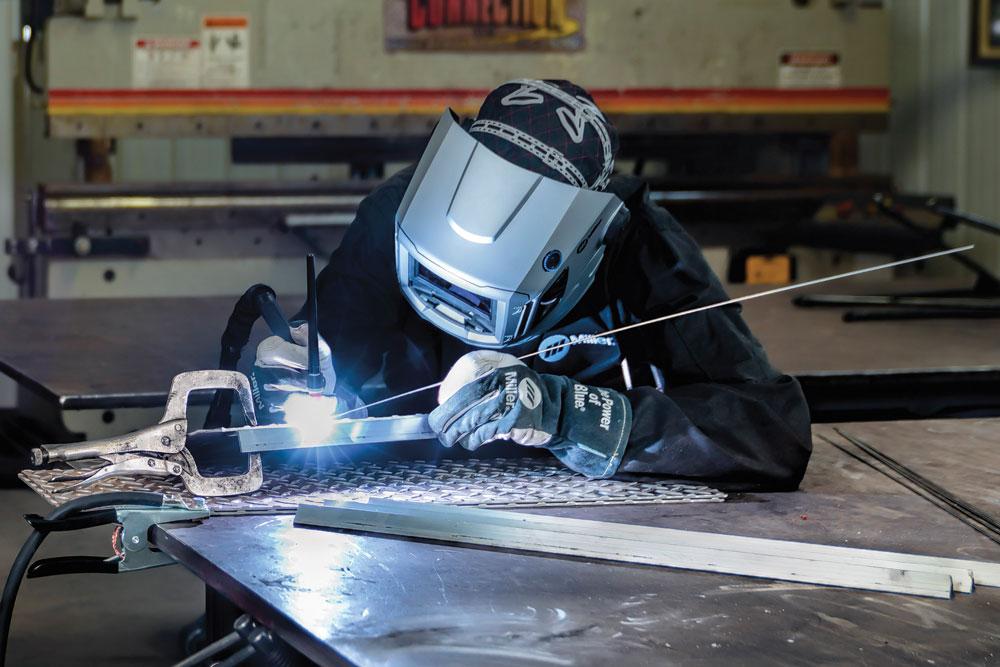
Alright, so you’ve been eyeing up some aluminum, maybe a cool bike frame, a custom intake manifold, or just some funky art, and you’re thinking, "How the heck do I stick this shiny stuff together?" Well, my friend, pull up a chair, because we need to talk about the magic wand of welding: TIG.
Yeah, TIG. It's like the fancy espresso machine of the welding world. A little intimidating at first, sure, with all those buttons and the foot pedal, but once you get the hang of it? Oh, honey, it’s a game-changer. Especially for aluminum.
See, aluminum is… well, it’s a diva. It doesn't like to be treated roughly. It oxidizes in a blink (that white frosty layer you sometimes see? Yeah, that’s its protective — and annoying — coat). And it’s a fantastic conductor of heat. Like, really fantastic. Which means it just sucks heat away from your weld puddle like a thirsty vampire. Not ideal for a nice, controlled weld with, say, MIG or stick, which often just blasts through it or leaves a less-than-stellar bead.
Must Read
So, What's the Deal with TIG?
Enter TIG, or Tungsten Inert Gas welding. Sounds technical, right? Don't worry, it's simpler than it sounds. Imagine a really focused, super-hot arc that melts your metal without any sputtering or fuss. You’re using a non-consumable tungsten electrode (think of it like a pencil that never gets shorter, just sharpens itself) to create that arc. And here's the kicker for aluminum: you're using AC current. Alternating Current. Why? Because AC current actually helps clean that pesky oxide layer off the aluminum as you weld. It’s like a tiny, self-cleaning wizard working its magic right there in your puddle. Pretty neat, huh?
You also get a lovely, clean shield of pure argon gas to protect your molten metal from all the nasty air stuff that wants to contaminate your weld. And the best part? You control the heat with a foot pedal. Think of it like the accelerator in your car. Want more heat? Press down. Too hot? Ease off. This gives you incredibly precise control, which is exactly what aluminum craves.
Getting Started: Your Shopping List (ish)
Alright, so what do you actually need to embark on this beautiful TIG journey for aluminum?
- An AC TIG welder. This is non-negotiable. Don't even think about trying DC TIG on aluminum, unless you're trying to make a mess and swear a lot.
- A cylinder of 100% pure Argon gas. No mixes, no CO2. Just good ol' Ar.
- Some AC-specific tungsten electrodes. We're talking Zirconiated, Lanthanated, or even some of the newer E3 blends. They handle AC currents much better than pure tungsten (which likes to ball up dramatically).
- The right filler rod. For aluminum, you'll typically be looking at 4043 or 5356. Each has its strengths, depending on the aluminum alloy you're welding. Just ask your local welding supply guru, they love talking about this stuff!
- Oh, and spotless aluminum. I cannot stress this enough. Aluminum has to be clean, clean, CLEAN! Wire brush it, degrease it, wipe it with acetone. Any dirt, oil, or grease will bubble up and ruin your weld. Seriously, it's like trying to bake a cake with mud in the batter.
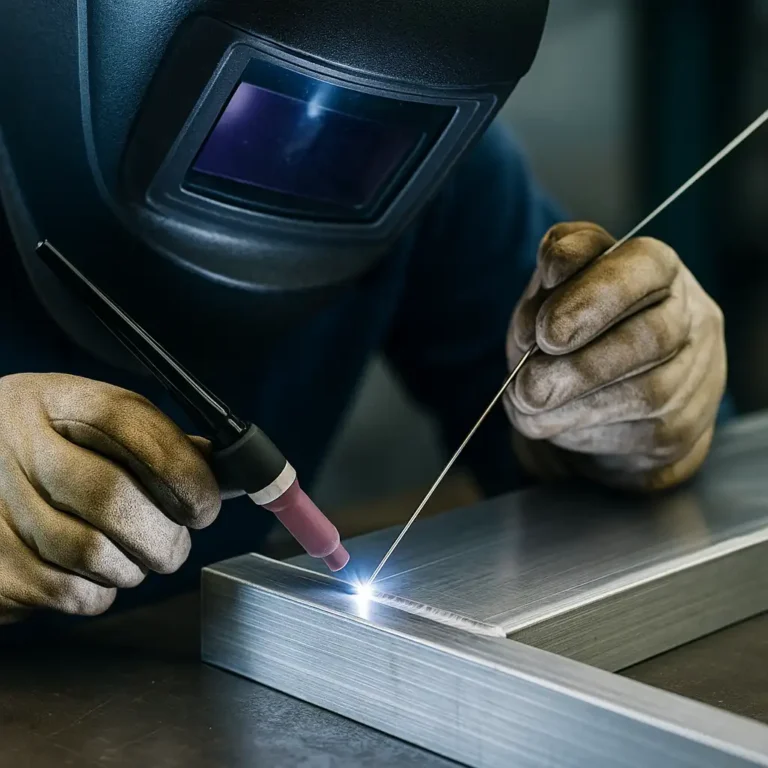
Once you’re set up, it’s a bit like learning to pat your head and rub your tummy at the same time. One hand guides the torch, the other dabs in the filler rod, and your foot controls the heat. It sounds like a lot, right? But honestly, it clicks faster than you'd think.
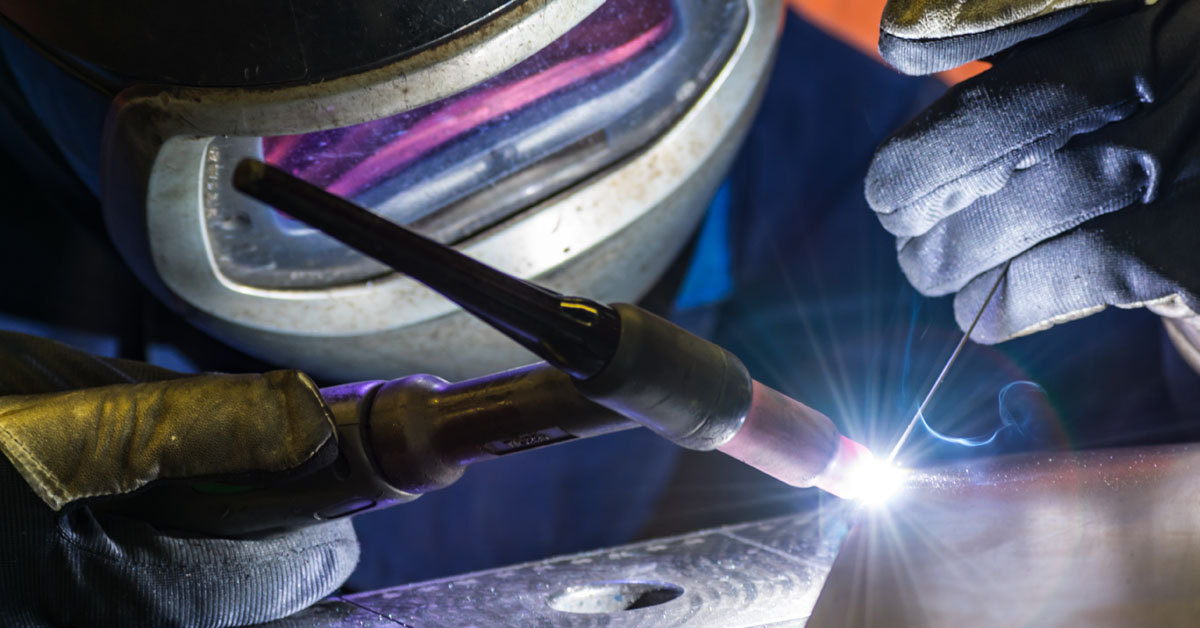
You'll start to see this gorgeous, shiny puddle form, and you’ll just melt (pun intended) a tiny bit of filler rod into it, then move, melt, dab, move. The sound is a satisfying, consistent buzz, not the angry crackle of other processes. And the welds? Oh, the welds are beautiful. Little stacks of dimes, perfectly uniform, strong, and clean. It’s incredibly satisfying.
Is it harder than MIG? Yeah, probably a little more finesse is required. But the results? Night and day for aluminum. It opens up a whole new world of projects, from fixing boat props to fabricating custom car parts, to making art that looks like it grew out of the metal itself.
So, don't be intimidated by the TIG monster. Grab a machine, get some practice material, and just go for it. You might spatter a bit, you might burn through a few pieces, but trust me, that feeling when you lay down your first perfect aluminum TIG bead? Pure welding bliss. You'll be hooked. And your aluminum projects? They'll never look back.