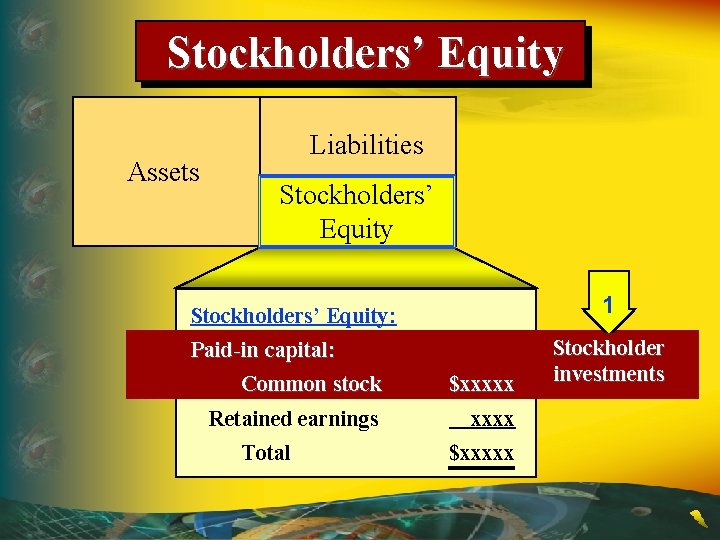
The Two Basic Sources Of Stockholders Equity Are
Okay, so picture this: I'm at a garage sale, haggling over a slightly chipped ceramic cat (don't judge, it was cute!). The guy running the sale tells me, "Hey, it's only five bucks! Think of it as an investment!" An investment in what, exactly? My already overflowing cat-themed collection? Maybe. But it got me thinking about real investments, like in companies, and where that initial money actually comes from.
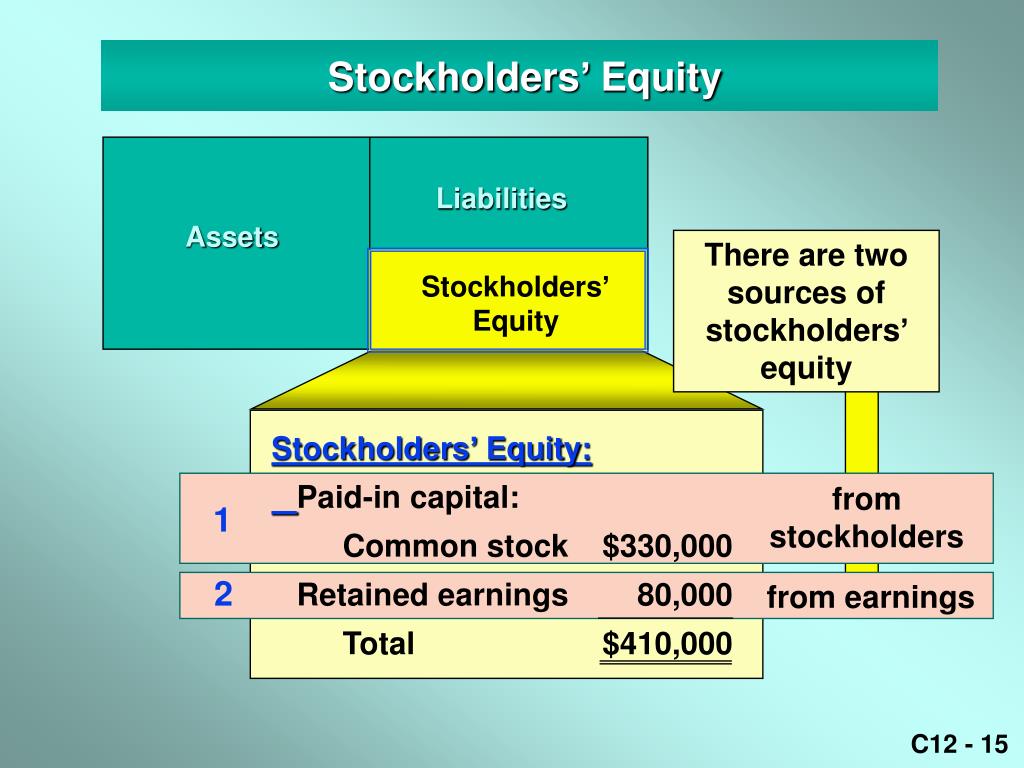
Turns out, the money that fuels those giant corporations we know and love (or sometimes love to hate) comes from a couple of key sources that ultimately build up what's called stockholders' equity. So what are these magic money trees?
Contributed Capital: Money From You (and Me!)
First up, we have contributed capital. Think of this as the cash (or sometimes assets, but let's stick with cash for simplicity) that investors – that’s you if you own stock – put directly into the company in exchange for…you guessed it…stock!
Must Read
Basically, it's the company saying, "Hey, give us some money, and we'll give you a piece of the action!" And that piece of the action, that fractional ownership, is represented by a share of stock. Boom. Instant investor.
There are a couple of flavors within contributed capital itself. The most common is common stock. This gives you voting rights (usually one vote per share), and a claim on the company's assets, but only after everyone else gets paid first (creditors, preferred stockholders, etc.). You're kinda last in line, but the potential upside is generally higher. Think of it like a risky, but potentially rewarding, adventure!
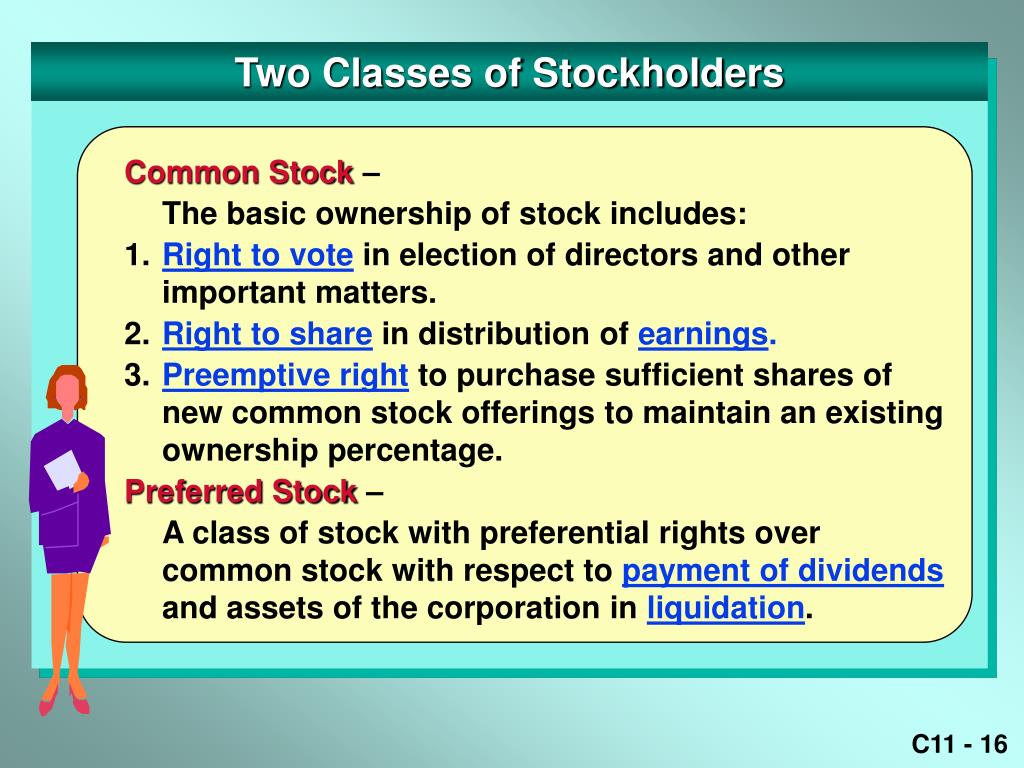
Then there's preferred stock. This is often seen as a hybrid between debt and equity. Preferred stockholders usually don't get voting rights, but they do get a fixed dividend payment and have a higher claim on assets than common stockholders if the company goes belly-up. So, less risk, less reward. It's like taking the scenic route – safer, but maybe not as thrilling.
And a final thought on contributed capital…it’s not just about the initial sale of stock. Companies can issue more stock later on to raise even more cash. So, every time a company sells new shares, they’re adding to their contributed capital. Kinda neat, right?
Retained Earnings: The Company's Treasure Chest
Now, for the second major source of stockholders' equity: retained earnings. This is essentially the company's accumulated profits that haven't been distributed to shareholders as dividends. Imagine it as a company's piggy bank, overflowing with cash they decided to keep instead of sharing it all around.

These retained earnings are incredibly important! They represent the cumulative amount of net income, minus any dividends paid out to shareholders, over the company’s entire life. So, the longer a company has been profitable (and stingy with dividends), the bigger its retained earnings. (Side note: being stingy with dividends isn't always a bad thing. Sometimes, it means the company is reinvesting in growth!)
A company can use these retained earnings to fund all sorts of things: expansion, research and development, debt repayment, or even to buy back its own shares (which, fun fact, can actually increase the value of the remaining shares!).

Basically, retained earnings represent the company's ability to generate profits and reinvest them for future growth. It's a sign of financial health and a key indicator for investors.
And that's it! Contributed capital (money directly from investors) and retained earnings (accumulated profits) are the two pillars of stockholders' equity.
So, the next time you're thinking about buying a share of stock, or just browsing through a company's financials, remember these two sources. They'll give you a much clearer picture of where the company's money comes from and how it's being used. And hey, maybe that ceramic cat will be a good investment someday…maybe.