
The Philosophy Of High Reliability Includes
Ever feel like your life is a beautifully choreographed dance one minute, and a clown juggling flaming torches the next? We all crave a little more order, a little less chaos. That’s where the philosophy of High Reliability Organizations (HROs) comes in. It’s not just for nuclear power plants and aircraft carriers anymore; it’s a mindset that can help anyone navigate the complexities of modern life with grace and (dare we say?) a little bit of zen.
The Core Principles: What Makes an HRO Tick?
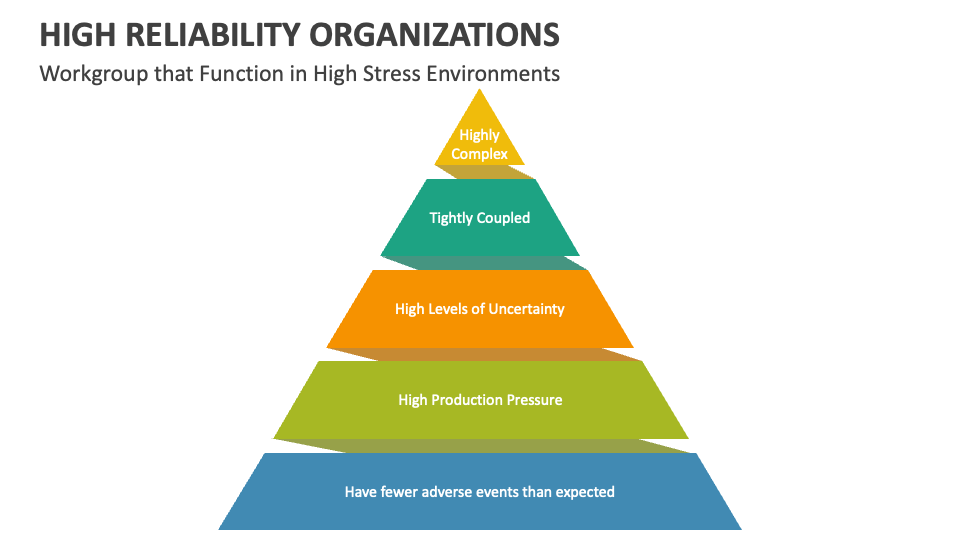
Think of HROs as the ultimate masters of risk management. They operate in environments where even the smallest error can have catastrophic consequences, yet they consistently maintain an enviable safety record. How do they do it? It all boils down to five key principles:
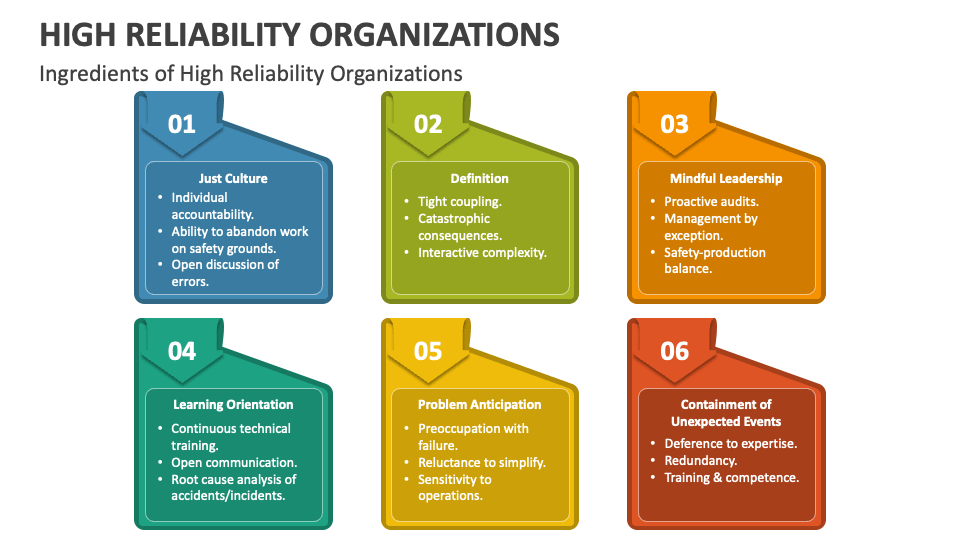
1. Preoccupation with Failure: HROs are obsessed with what could go wrong. It's not about being pessimistic; it's about being proactively prepared. They encourage reporting of near misses, analyze even the smallest deviations from the norm, and treat every incident as a learning opportunity. Think of it like Sherlock Holmes constantly searching for clues, even if everything seems perfect.
Must Read
Practical Tip: Keep a "learning log." Jot down things that didn’t quite go as planned during your day – a missed deadline, a miscommunication, a flat tire. Analyze them briefly. What could you have done differently? Small adjustments can prevent bigger problems later.
2. Reluctance to Simplify Interpretations: Life is rarely black and white. HROs resist the urge to jump to conclusions or oversimplify complex situations. They value diverse perspectives and encourage open dialogue to ensure a more nuanced understanding of the problem. It's like the ancient parable of the blind men and the elephant – everyone has a piece of the puzzle.
Cultural Reference: Remember the movie "12 Angry Men"? The power of slowing down, questioning assumptions, and considering all viewpoints is a perfect example of this principle in action.
3. Sensitivity to Operations: HROs have their finger on the pulse of their daily operations. They understand the nuances of their systems and processes and are constantly monitoring for changes that could indicate a potential problem. It's like a jazz musician improvising – they're attuned to the flow of the music and ready to adapt to any unexpected changes.
Fun Fact: The "canary in a coal mine" was an early example of sensitivity to operations. Miners used canaries to detect dangerous gases because the birds were more susceptible to the toxins than humans, providing an early warning signal.
4. Commitment to Resilience: Things will inevitably go wrong. The key is to be prepared to bounce back quickly and effectively. HROs invest in training, redundancy, and flexible systems that allow them to adapt to unexpected challenges. Think of it like a rubber band – it can stretch and bend without breaking.
Practical Tip: Build your personal resilience by developing a strong support network, practicing self-care, and cultivating a growth mindset. Learn from your mistakes and view challenges as opportunities for growth.
5. Deference to Expertise: In an HRO, the person with the most relevant knowledge should be empowered to make decisions, regardless of their position in the hierarchy. It's about recognizing that wisdom can come from anywhere. It's like a sports team where the coach listens to the players on the field, valuing their real-time insights.
Example: Imagine a hospital operating room. The surgeon is in charge, but they rely heavily on the expertise of the nurses, anesthesiologists, and technicians. Each member of the team brings a unique skillset and perspective, and their collective knowledge is essential for a successful outcome.
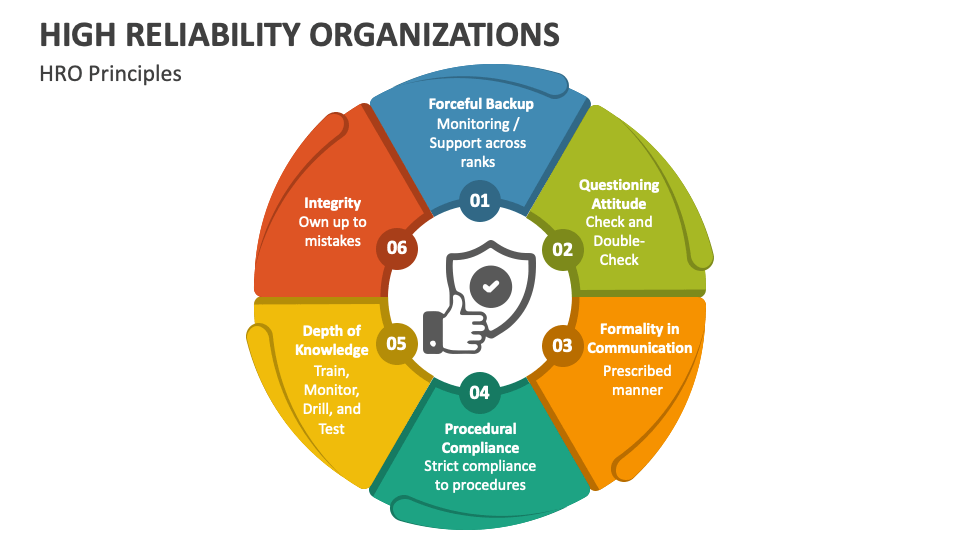
Applying HRO Principles to Everyday Life
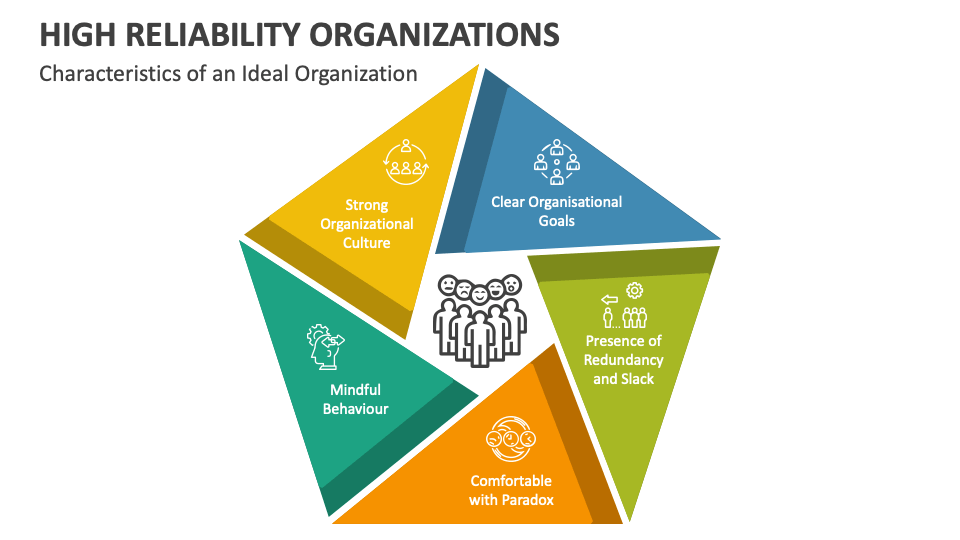
So, how can you apply these principles to your own life? Start small. Be more mindful of potential problems, question your assumptions, stay connected to your environment, build resilience, and value the expertise of others. It's about cultivating a culture of safety and continuous improvement in all aspects of your life.
Maybe it's double-checking your travel itinerary before a big trip, proactively communicating with your partner to avoid misunderstandings, or simply taking a few deep breaths before reacting to a stressful situation.
Reflection: The philosophy of High Reliability isn't about achieving perfection; it's about striving for excellence in the face of uncertainty. It's about embracing the messy reality of life while remaining committed to learning, adapting, and growing. And that’s a philosophy worth embracing.