The Letter Is On The Bookcase In Spanish

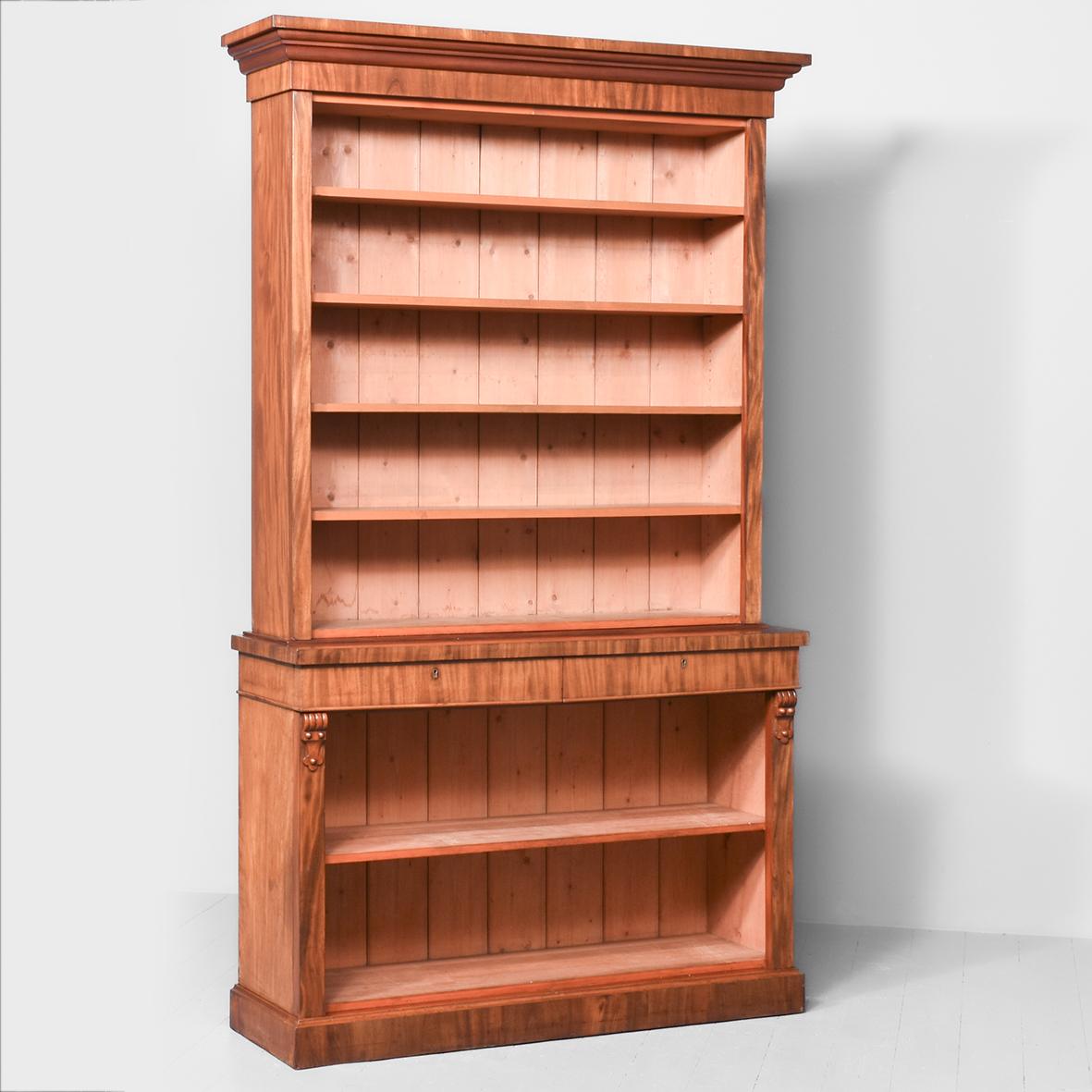
Learning a new language can feel daunting, like climbing a mountain of vocabulary and grammar rules. But what if I told you even a simple phrase can be a rewarding mini-adventure? Today, we're tackling a phrase that's surprisingly useful and wonderfully visual: "The letter is on the bookcase" in Spanish. Sounds specific, right? But trust me, mastering this unlocks a little piece of the Spanish-speaking world!
So, how do you say it? Get ready: it's "La carta está en la estantería." Let's break it down, shall we? This phrase, seemingly simple, is a powerhouse of essential grammatical concepts.
The purpose of learning such a phrase goes beyond just describing the location of misplaced mail. It's a stepping stone to understanding:
Must Read
- Definite articles: "La" means "the." Grasping definite articles is fundamental to specifying nouns in Spanish.
- The verb "estar":"Está" is the third-person singular form of the verb "estar," which means "to be" (in the sense of location, condition, or feeling). Unlike "ser" which also means "to be" and is used for permanent characteristics. Knowing when to use "estar" is crucial to speaking accurate Spanish.
- Prepositions: "En" means "on" or "in." Prepositions are the tiny connectors that show relationships between words. "En" is one of the most common and useful.
- Nouns: "Carta" is "letter," and "estantería" is "bookcase." Expanding your noun vocabulary is key to describing your surroundings.
What are the benefits? Well, apart from being able to accurately describe the whereabouts of a misplaced letter, you'll gain:
- Improved listening comprehension: Recognizing these words in spoken Spanish becomes easier.
- Enhanced speaking confidence: Saying even a simple sentence correctly boosts your willingness to try more.
- A foundational understanding of Spanish grammar: These elements are building blocks for more complex sentences.
Let’s make this even more engaging! Imagine this scenario: you're visiting a friend in Spain, and they're expecting an important letter. They frantically ask, "¿Dónde está la carta?" (Where is the letter?) You, calm and collected, can confidently reply, "La carta está en la estantería!" Instant hero status achieved!
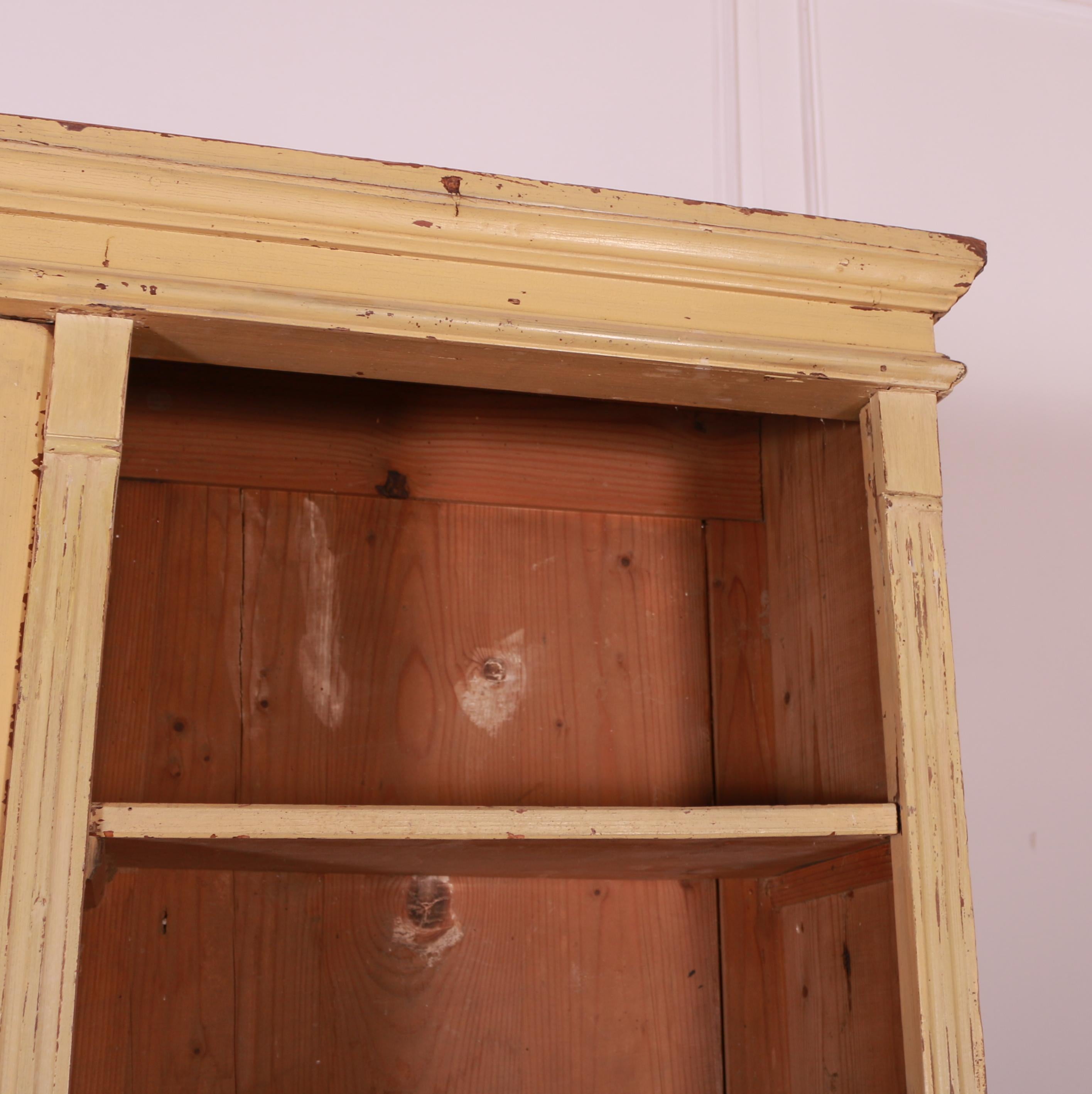
But the fun doesn't stop there. You can easily adapt this phrase to describe the location of other items. Replace "carta" with "libro" (book), "gafas" (glasses), or "llaves" (keys). Change "estantería" with "mesa" (table), "silla" (chair), or "cama" (bed). The possibilities are endless! The key is to experiment and have fun!
So, next time you're looking for something, remember, “La carta está en la estantería” is more than just a phrase; it's a tiny window into the beautiful world of the Spanish language. Go forth and conquer those bookcases!