The Definition Of A Circle Uses The Undefined Term

Circles! We see them everywhere, from the steering wheel in your car to the delicious pepperoni on your pizza. But have you ever stopped to really think about what a circle is? Beyond the obvious "round thing," the mathematical definition gets a little…circular. And, surprisingly, that's perfectly okay! Understanding this quirky concept can unlock a deeper appreciation for the foundations of mathematics and how it shapes our world.
So why bother with circles beyond enjoying their shape? Well, circles are fundamental to countless technologies and designs. Think about wheels – arguably one of humanity's greatest inventions. Their perfect circularity allows for efficient movement and revolutionized transportation. Gears, engines, clock faces, even the lenses in your glasses all rely on the properties of circles. Without a solid understanding of circular geometry, much of the modern world wouldn't function.
In everyday life, we use circles constantly, often without even realizing it. Consider map reading: the distance between two points on a map is often determined using arcs, which are segments of circles. Think about cooking: measuring cups and bowls are frequently circular, making volume calculations easier. Even in art and design, circles play a vital role. Artists use circular forms to create pleasing compositions, and designers leverage circular patterns to create eye-catching logos and graphics.
Must Read
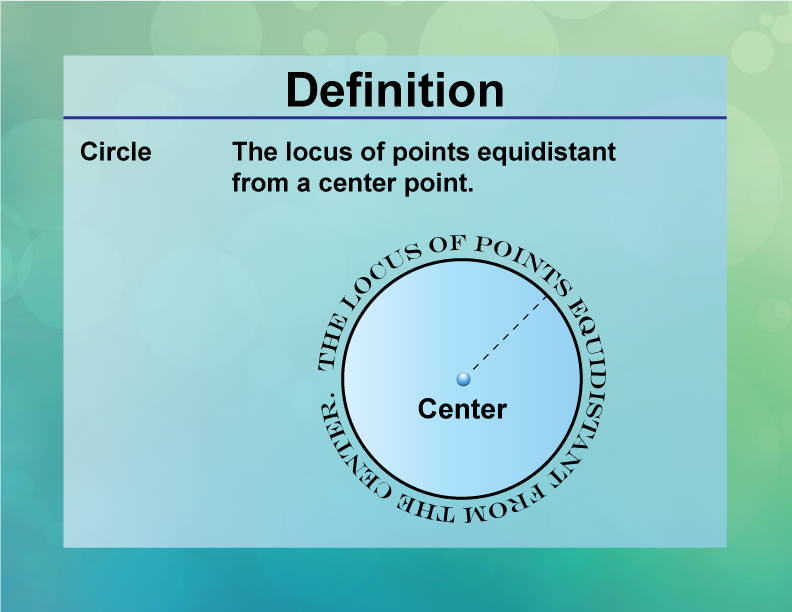
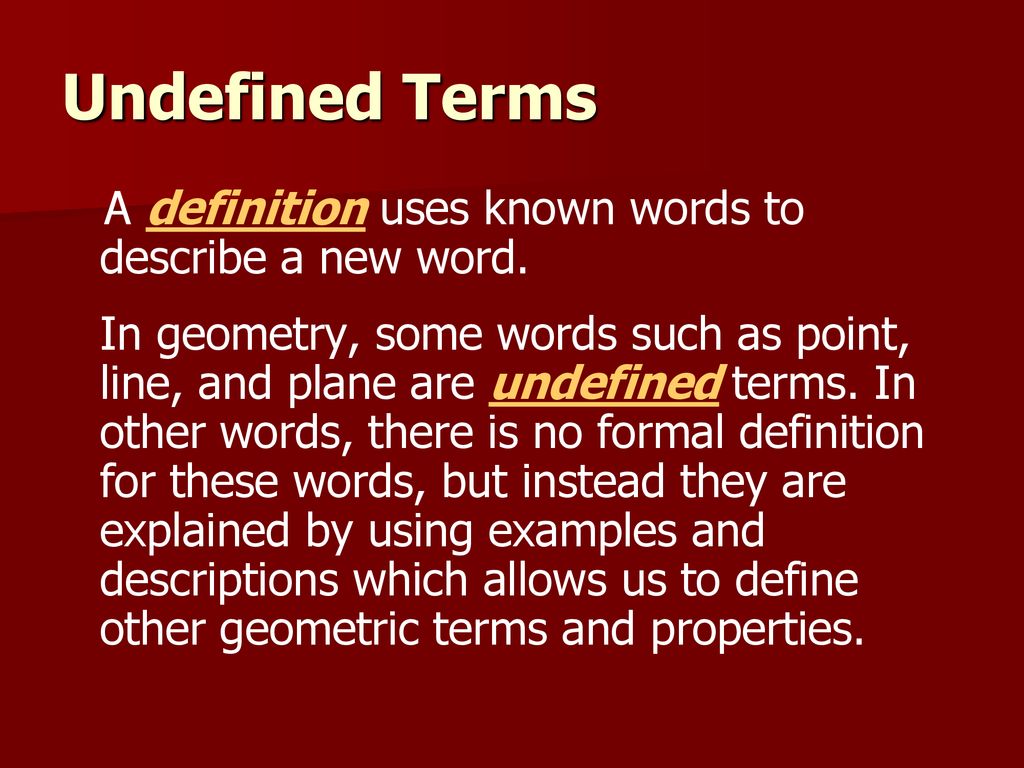
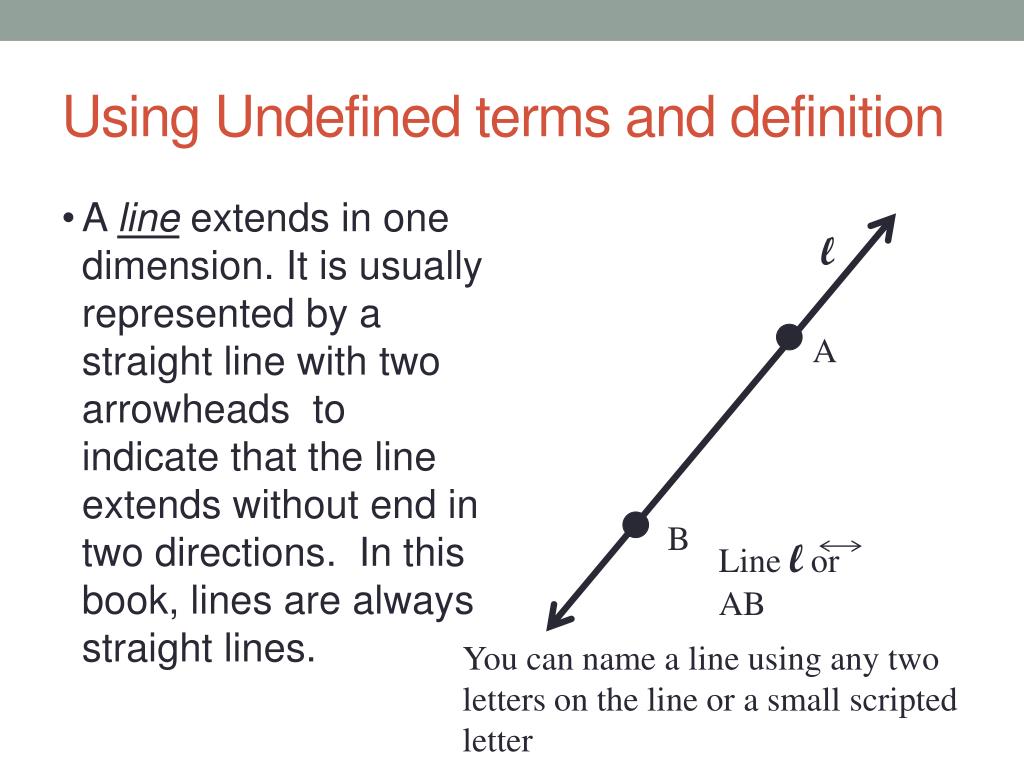
Here's where things get interesting (and potentially mind-bending). The standard definition of a circle is: "A circle is the set of all points in a plane that are equidistant from a given point called the center." Sounds simple, right? But consider this: to truly understand this definition, we need to understand what "point" and "distance" mean. And in the purest form of geometry, these terms are considered undefined terms. They're concepts we intuitively grasp but cannot formally define without using other undefined terms. This might seem like a fatal flaw, but it's actually a brilliant aspect of mathematical systems. We start with a few accepted, undefined concepts, and then build upon them to create a robust framework.
So, how can you better appreciate this fascinating circularity? First, don't be afraid to embrace the undefined. It's okay that "point" and "distance" are somewhat fuzzy concepts at their core. Think of them as the foundational axioms of the circular world. Second, try drawing circles using different tools. Use a compass, trace a plate, or even just freehand it. Notice how slight imperfections can change the properties of the shape. This hands-on experience can deepen your understanding of the ideal, perfectly circular form. Third, explore different geometric theorems related to circles, such as the inscribed angle theorem or the Pythagorean theorem (which, while not directly about circles, is closely related to the concept of distance). Finally, engage with the math! Don't just memorize formulas. Try to derive them yourself, and see how they connect to the fundamental definition of a circle. By accepting the undefined and actively exploring the properties of circles, you can unlock a world of mathematical beauty and practical applications.