The Approximate Dates For The Romantic Period Are
Ever felt swept away by passionate poems, dramatic landscapes, or heart-wrenching stories? You've probably stumbled upon the enchanting world of the Romantic period! Understanding when this influential era flourished can unlock a deeper appreciation for its art, literature, and music. Knowing the approximate dates for the Romantic period gives you a temporal anchor, allowing you to contextualize the works you encounter and understand the historical forces that shaped them. Think of it as unlocking a secret code to understanding some of the most beautiful and moving creations ever made!
So, why bother knowing these dates? Well, it's like having a map when exploring a new country. Imagine trying to understand the music of Beethoven without knowing he was a bridge between the Classical and Romantic periods. Or appreciating the poetry of Wordsworth without understanding the rise of individualism and the power of nature during that time. Knowing when the Romantic period occurred helps you:
- Grasp Historical Context: Understand how the French Revolution, industrialization, and changing social structures influenced artistic expression.
- Appreciate Artistic Connections: See how Romantic artists, writers, and musicians influenced each other and shared common themes.
- Identify Key Characteristics: Recognize the hallmarks of Romanticism – emphasis on emotion, imagination, and the sublime – in various works.
- Enhance Your Appreciation: Deepen your enjoyment and understanding of art, literature, and music from this period.
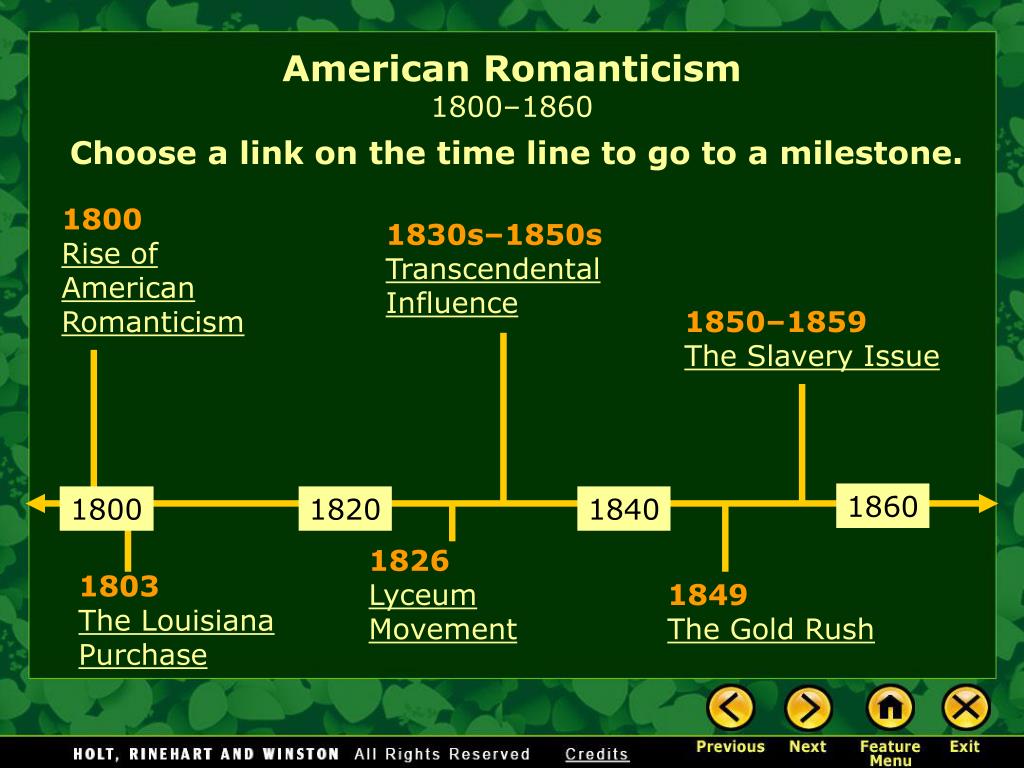
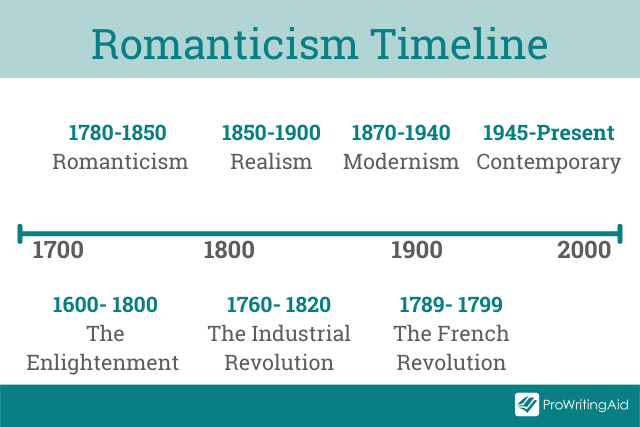
Alright, let's get to the heart of the matter! When did all this Romanticism actually happen? While it's impossible to pin down exact dates (artistic movements rarely have clear start and end points!), the approximate dates for the Romantic period are roughly from 1789 to 1850. Yes, it's that simple!
Must Read
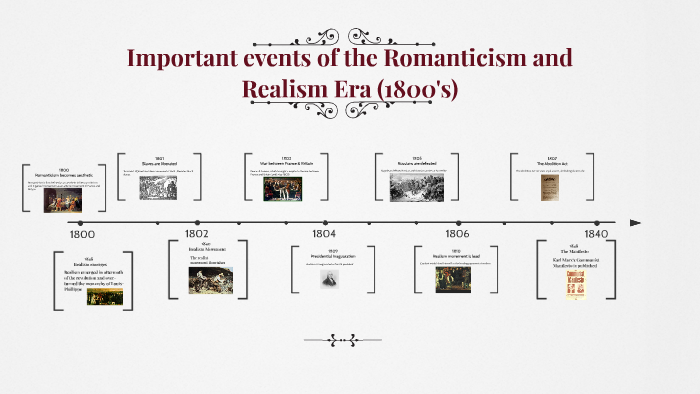
Notice the word "approximate." History isn't always neat and tidy. There's overlap with the preceding Classical period and foreshadowing of later movements. Think of it as a blurry transition rather than a sharp cut-off. The French Revolution in 1789 is often cited as a starting point, marking a shift away from Enlightenment rationalism towards a focus on individual liberty and emotional experience. The year 1850 is a generally accepted end date, although Romantic themes continued to resonate throughout the 19th century.
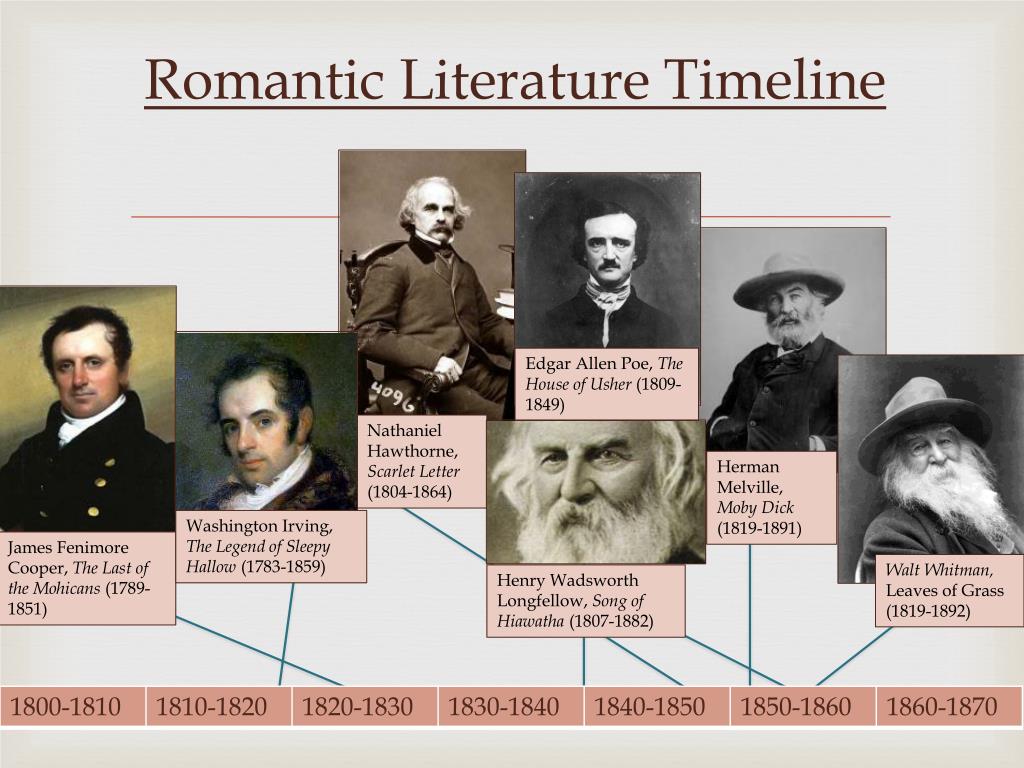
So, from roughly the late 18th century to the mid-19th century, artists, writers, and musicians were busy exploring the depths of human emotion, celebrating the power of nature, and challenging societal norms. Within these dates, you'll find literary giants like William Wordsworth, Lord Byron, and Mary Shelley; composers like Ludwig van Beethoven, Franz Schubert, and Frédéric Chopin; and artists like Caspar David Friedrich and J.M.W. Turner. These figures, and countless others, helped define what we now understand as the Romantic period.
Now that you know the approximate dates, you can delve deeper into the Romantic period with a better sense of perspective. Explore the works of these influential figures and see how their creations reflect the spirit of their time. You might just find yourself swept away by the passion, beauty, and enduring power of Romanticism!