
Test Carbon Monoxide Detector With Candle
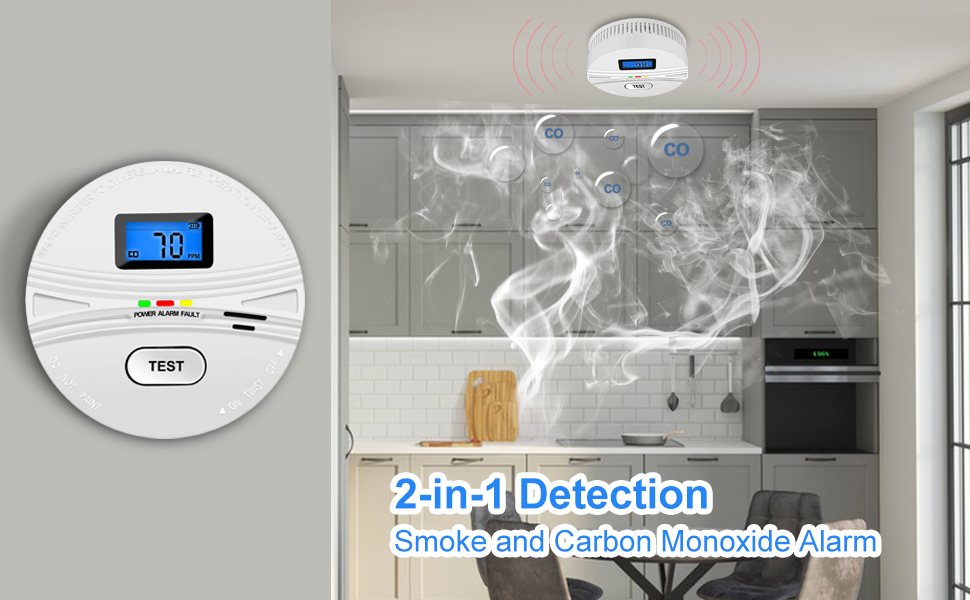
That little white box. Or sometimes beige. High up on the wall, or nestled by the ceiling. It just sits there, an unassuming sentinel. We all have them. Our ever-vigilant, silent guardians against the invisible threat. The carbon monoxide detector.
It’s supposed to protect us. We know this. But mostly, it just… exists. Until that dreaded moment when its battery goes low, unleashing a series of chirps so insistent, so piercing, they could wake the dead. And often do, at 3 AM, right when you’ve finally drifted into a peaceful slumber.
But when it’s not chirping, when it’s just being its quiet, watchful self, a thought occasionally creeps into the back of our minds. A tiny, mischievous whisper. A completely unofficial, perhaps even slightly rebellious, notion. How do we really know it’s working?
Must Read
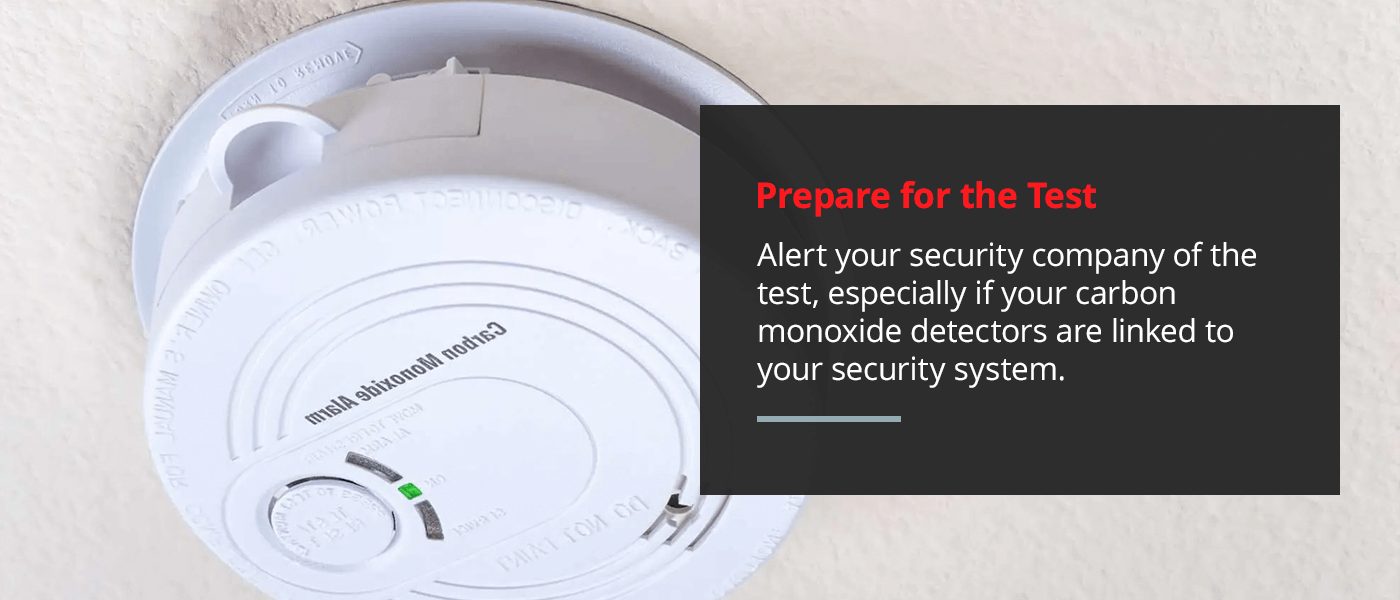
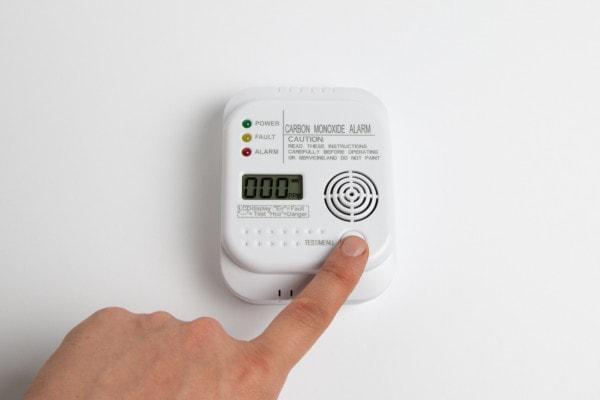
Sure, there’s the big, obvious button. The one clearly labeled TEST. You push it. It shrieks. A cacophony of beeps designed to confirm its functionality and simultaneously make you regret ever pushing it. It’s effective. It’s loud. It’s… a bit boring, isn’t it?
Where’s the drama? Where’s the subtle art of detection? We’re told that carbon monoxide is odorless, tasteless, invisible. A stealthy menace. So, naturally, the test should be equally enigmatic, right? Not just a button-pushing exercise.
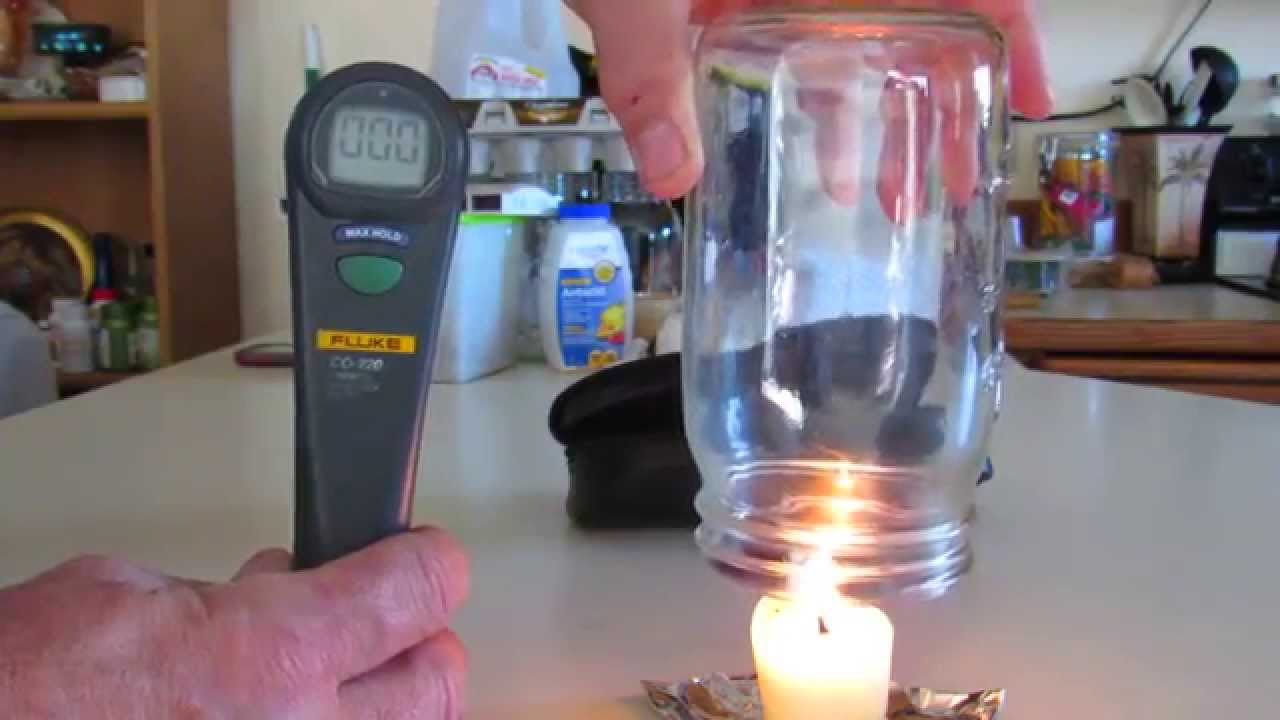
And that’s when it happens. The moment of inspiration. Or perhaps, pure, unadulterated human curiosity. The humble candle. That tiny flame, flickering with quiet purpose. It’s a source of warmth, of light, and in some minds, perhaps a makeshift diagnostic tool for our electronic protectors.
You’ve probably considered it. Don’t deny it. The gentle glow, held carefully, tentatively, near the vent of the CO detector. A silent question mark wafting towards the sensor. Will it respond? Will it detect the subtle exhaust of the burning wick?
There’s a certain primal satisfaction in this idea. A low-tech solution to a high-tech problem. No confusing manuals, no searching for the correct size of screwdriver to open a battery compartment. Just a simple, beautiful flame and a hopeful human experimenter.

It’s the spirit of invention, isn’t it? The little bit of MacGyver in all of us, looking for an alternative.
You hold it closer. A little smoke wisps upwards. You watch the detector. You wait. Your breath held. Anticipation hangs in the air, thicker than any candle smoke.
And then… nothing. Usually. Just the silent, stoic presence of the detector. Unmoved. Unimpressed. Your flickering hope, much like the candle flame itself, might start to waver.
A part of you, deep down, might even feel a tiny bit disappointed. No dramatic alarms. No heroic saving of the day with a simple flame. Just the quiet reaffirmation that, apparently, the sensor is quite picky about its detected gases. It’s not just any old smoke that gets its attention.
But the thought was there. The impulse. The playful exploration of what might just work. It speaks to our innate desire to understand, to test the boundaries, even if those boundaries are simply the logic circuits of a household safety device.
So, next time your carbon monoxide detector is quietly doing its job, just sitting there, remember the candle. Remember the fleeting thought of the unofficial, low-tech test. You’re not alone. It’s a shared, slightly quirky human experience.
The Unspoken Agreement
It’s an unspoken agreement among us: we know the TEST button is the right way. The official way. But the candle method? That’s for the dreamers. For those who wonder, what if? For those who appreciate a good, harmless, slightly mischievous experiment.
And that, perhaps, is the true magic of the candle. Not in its ability to trigger an alarm, but in its ability to spark a moment of playful curiosity. A little smile, a shrug, and a quiet nod to the charmingly misguided ideas that make life a bit more interesting.
So, keep those detectors in good working order. Test them with the proper button. And maybe, just maybe, let your mind wander to the simple elegance of a candle. It’s a delightful thought, even if it won’t make your detector sing the song of safety.