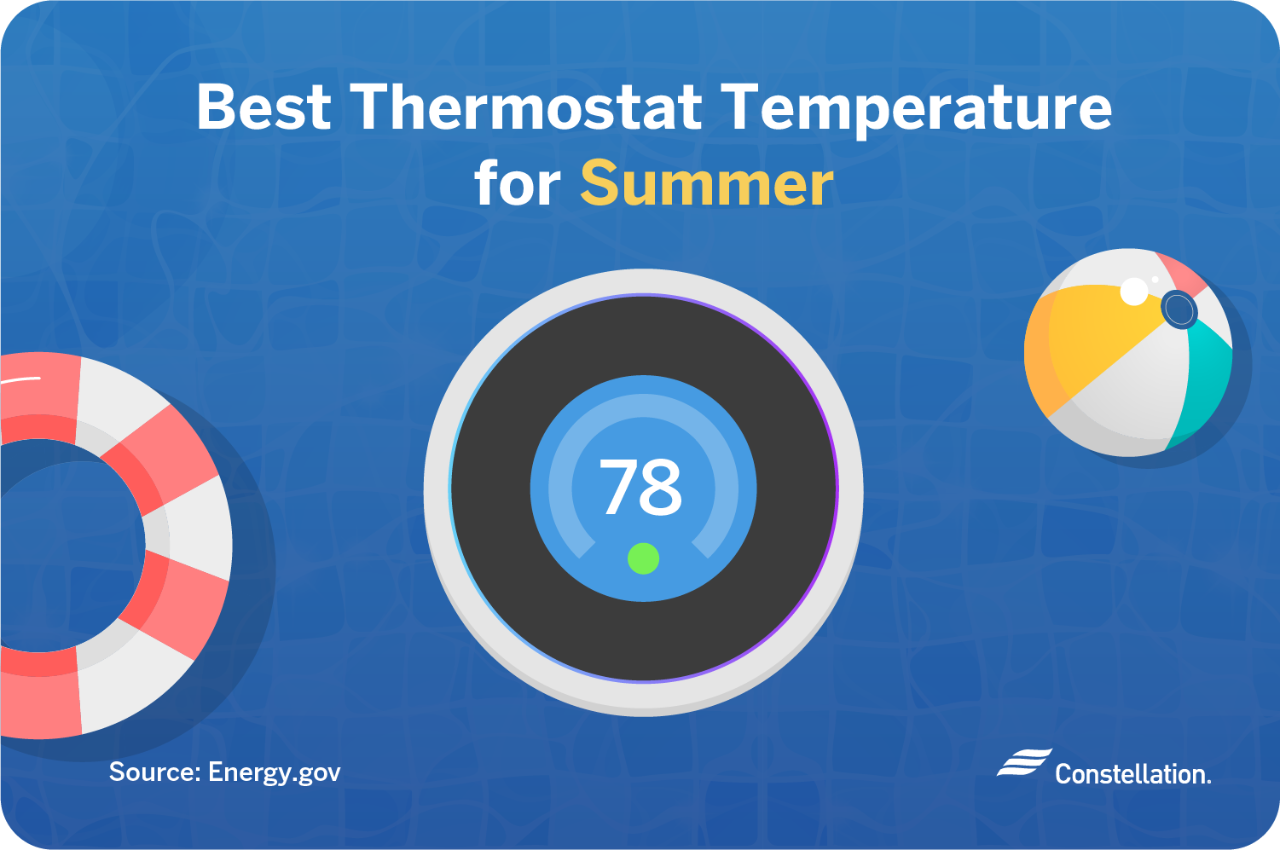
Temperature For Thermostat In Summer
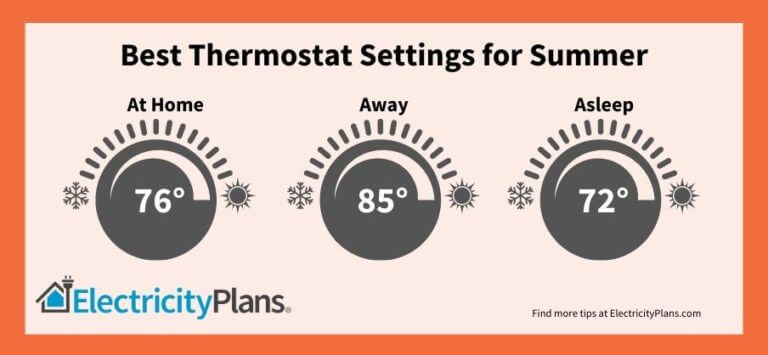
Ah, summer! That glorious time of sunshine, long days, and… a persistent quest for indoor cool. Ever found yourself hovering over your thermostat, wondering if 75°F is too high, or if 72°F is just right (but perhaps a little extravagant)? You’re not alone! It’s a fascinating dance we do with our climate control, and understanding the “temperature for thermostat in summer” isn’t just about comfort; it’s a little secret world of energy efficiency, well-being, and even household harmony. Let’s dive into this seemingly simple knob or screen and discover why it’s so much fun to explore.
The primary purpose of setting your thermostat in summer is delightfully straightforward: to create a comfortable indoor oasis when the world outside is sizzling. But its benefits stretch far beyond just feeling nice. For starters, there’s personal comfort – nobody wants to feel sticky and sluggish in their own home. Then, critically, there’s energy efficiency. A thoughtfully chosen temperature can significantly reduce your electricity bill, saving you hard-earned money. Beyond that, it contributes to better health and well-being by preventing overheating and ensuring restful sleep. And let’s not forget the larger picture: using less energy means a smaller carbon footprint, a small but meaningful win for our planet.
In our daily lives, setting the summer thermostat is a constant, quiet decision. Think about it: you might set it higher when you leave for work, knowing the house will warm up but cool down efficiently before you return. This is an example of a smart programmable use, preventing unnecessary cooling of an empty house. Families often engage in the classic "thermostat wars," where one person is too hot and another too cold – a perfect illustration of how personal comfort thresholds vary! In a more educational sense, adjusting your thermostat provides a tangible lesson in thermodynamics and energy transfer. You’re essentially managing the flow of heat, seeing firsthand how your home’s insulation or even the closing of blinds impacts its ability to stay cool. Smart home technology also makes this a learning experience, showing you real-time energy consumption based on your chosen settings.
Must Read
So, how can you become a summer thermostat guru? Here are a few practical tips and simple ways to explore: Start by experimenting with small changes. Try setting your thermostat just one or two degrees higher than your usual, say from 72°F to 74°F. Live with it for a day and see if you truly notice a significant difference in comfort. Often, our bodies adjust more easily than we think! Make full use of your thermostat’s programmable features to match cooling with your schedule – why cool an empty house? Integrate ceiling or portable fans; they can make a room feel 4-6 degrees cooler without actually dropping the thermostat setting. Pay attention to your energy bills to see the real-world impact of your choices. Lastly, talk to your family or housemates about their comfort levels. Understanding different preferences can lead to a happy compromise, making your summer home a truly comfortable and efficient haven for everyone.

.png?sfvrsn=854b7670_0)